Every year actors, authors and celebrities reanimate to accumulate wealth, all without ever having to lift an eyelid. Professor Ruth Penfold-Mounce tells us why.
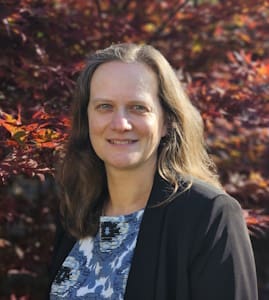
Meet the expert: Professor Ruth Penfold-Mounce
Professor Ruth Penfold-Mounce is part of the University of York’s Sociology Department, but is actually a criminologist, and most well known for her work in death studies. Ever since coming across readings on corpse medicine while doing her PhD on celebrity culture and crime, she’s cultivated quite the interest in death.
It’s hard for famous faces to die. Even after death you can find them, be it the old tape of a performance, a poster for your room, or staring at you from the front of a 100% cotton t-shirt. The Forbes Dead Rich List tallies how much departed celebrities such as Michael Jackson, Marilyn Monroe and Elvis Presley make annually; Monroe has appeared on every list from 2001 through to 2025.
“With celebrities it’s really hard to go out of memory because their performances are captured during life, whether that’s music, film or signatures. They struggle to die because they’ve developed a plethora of intellectual property.” says Professor Ruth Penfold-Mounce.
“There are actual agencies for the dead, and they recruit dead people. Some people during their lifetime will sign up to an agent and will arrange to be managed after death. Some families also inherit their loved one’s high profile career, their legacy, their photos, and everything else, and find they don’t know how to manage it. Because of this, they hire an agent to maintain their career after death.
One example of digital resurrection is Carrie Fisher’s appearance in the Star Wars movie Rogue One, released in 2016, the same year she died. She appeared as her 19 year old self with CGI, her likeness taken from the original film. Ruth describes it as ‘a bizarre situation whereby the dead are potentially competing with the living for jobs in the film industry,’ with Fisher appearing similarly in the 2019 film Star Wars: The Rise of Skywalker 3 years after her death thanks to a combination of digital effects and old, unused recordings.
“You can resurrect pretty much who you like if you get the right permissions,” says Ruth. “I find that fascinating, at a legal level and a consent level, because how do the dead consent to being used after death?”
“You can resurrect pretty much who you like if you get the right permissions. I find that fascinating, at a legal level and a consent level, because how do the dead consent to being used after death?”
Ruth Penfold-Mounce
Showbiz lives on through holographic performances by singers such as Whitney Houston, allowing audiences to experience old shows recorded decades prior.
“She’s working after death. She’s frozen in time. She’s not going to age because they’re using her at the height of her vocal career, and her beauty as well. Forever performing.” says Ruth. “There’s so many questions that go in with that, but it is about money. I think there can also be some arguments that this is about giving people the chance to celebrate a legacy of performance as well.
“People adored Whitney Houston, and her voice is still heard on radio and things, and people aren’t going to ever get to see her perform, and this is the closest you can get.
“It’s like a memorialisation, kind of legacy, sort of celebratory event, but it’s still all tied down through money.”
With the commercialisation of legacies comes the risk of exploitation beyond the grave, but digital wills offer hope, and the opportunity of dictating what happens to your media presence well after death. Ruth finds Robin Williams’ will especially fascinating: he gave the ownership of his career legacy to the Windfall Foundation, a charity, with the strict conditions they cannot benefit from it until 2039.
“What he’s really done is given himself an opportunity to undergo his second death, the death of his memory. By the time the charity can benefit from his image and performances a significant period of time will have gone by: this means his children won’t have to see his face CGI’d into films or hear his voice.” explains Ruth.
“It’s giving his children a really long period of decades to grieve and not find their father everywhere being resurrected.”
Ruth counsels caution over how you might be represented after death: in a world where plenty of us are using social media, a digital will can help you control who can and can’t make use of what you’ve created and stored in the ‘digital realm.’
“Once you’re dead, you have no legal rights. You’re dead. You’re not classified as human anymore. Therefore, your nearest relative will inherit power and control or responsibility.” says Ruth.
“So what do you want? Make sure you think about it. Robin Williams thought about it. We need to think about it too.”