An interview with Deborah Hyde divulges into the interesting link between the paranormal and a wish for longevity.
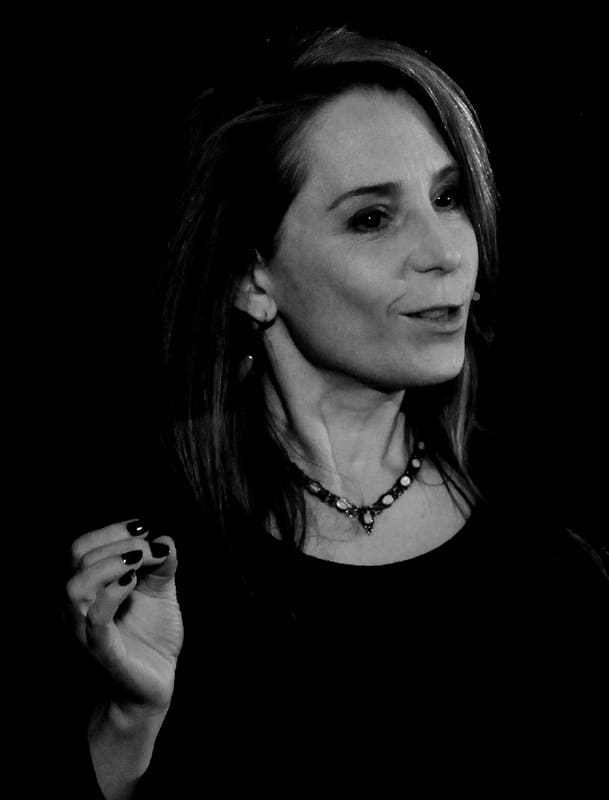
Meet the expert: Deborah Hyde
Deborah Hyde is a former editor of The Skeptic, spending over ten years at the magazine. She is a folklorist with an interest in why people believe strange things, and a fellow of The Committee for Skeptical Inquiry. Deborah has appeared on TV, and in newspapers such as The Guardian.
Well before modern medicine’s beginnings there was plague and epidemic disease. Even without the knowledge of viruses and bacteria, the quickness and commonness and death brought around a sense of contagion. In the absence of solid answers, sometimes people would look to supernatural predators, such as ghosts, vampires or zombies.
“[People] did what they could to try and offset the risks of these things.” explains Deborah Hyde. “Generally, people have, for perfectly understandable reasons, tended to personify these hazards. We are attuned to look for what’s called an agent in the environment, something with intelligence and intentionality, and that begins a relationship.”
“If you can identify something, sort out what it wants, and either force it to go away or deal with some kind of relationship with it, it feels as though you have control.”
Deborah Hyde
Belief became one method of gaining power over these unseeable threats. One example owing to this in Europe was the eventual folkloric belief iron could repel supernatural predators, thanks to the Iron Age in 1200BC. Traditional examples of such repellents include iron horseshoes, fences, and knives.
“I’ve always wondered whether or not this common way of dealing with these horrific creatures is because the use of iron was spreading across Europe at the same time literacy was, and people’s migration was,” says Deborah. “They had a technology which was so much stronger than the one it replaced, and people recorded these stories and encoded them in folklore.”
Items and rituals thought to ‘turn away’ these predators are called apotropaics. Extreme methods include cutting a vampire’s head off, burning them to ashes, or staking them through the heart to prevent them from returning. In contrast, there were also methods to confuse the supernatural, such as placing seeds for creatures to count until daybreak, effectively distracting them until it was safe.
In Europe, and Britain especially, long, winding routes to and from graveyards called ‘corpse roads’ were thought to confuse the dead, and prevent them from following. Other similar rituals included taking the body of a loved one out from a window so they couldn’t come back the same way, or weighing buried corpses down with stones so they couldn’t rise again.
“Continuing relationships with the dead are a very strong feature of religion, and people seem to have a very ambivalent relationship with the dead,” says Deborah. “Obviously they love them, they have passed, they have gone, but there is a sense that the dead can come back and get other people as well.”
“Perhaps they’re lonely, perhaps they just feel the need to take the life from people who are still alive.”