
It might sound like a morbid way to spend an afternoon, but tours like these can teach us a lot about life and death.
For some people, a tourist attraction might look something like a museum with a tacky gift shop full of pencils, or a seaside pier filled with flashing lights and 2p machines.
For others, it might look like wandering along the paths of a Hollywood graveyard on the lookout for Marilyn Monroe’s headstone.
We often think of cemeteries as sad and solemn places. And they can be. But they also give us a unique opportunity to explore our relationships and attitudes towards death.
Cemetery tourism is extremely popular – Père Lachaise cemetery in Paris, the final resting place of figures like Jim Morrison and Oscar Wilde, receives over 3.5 million annual visitors.
According to Nick Powell, Visitor Experience Manager at Highgate Cemetery in London, over 100,000 visitors a year pass through their gates.
It’s home to many notable burials, such as communist philosopher Karl Marx and assassinated ex-Russian spy Alexander Litvinenko.
The number of daily tours has been increased in recent years due to high demand.
He says that Highgate gets a “complete mixture of people” visiting it.
“We get a lot of foreign visitors, probably because we’re quite high up in the TripAdvisor rankings out of 3,000 or so things to do in London.
For example, they get a lot of Chinese visitors who come to see Marx’s grave.
“We have our main tour in the West Side of the cemetery, which covers the history of the cemetery, a few Victorian ‘celebrities’, as it were, and a trip into the catacombs, which is a highlight of the tour.
“We run an East Side tour, which is about people, because there are more modern burials on this side.”
Specialist tours are also offered, which focus on specific backgrounds of people buried there, like magicians or doctors.
“It’s a real insight into history.
“A lot of people who come aren’t expecting anything particularly spectacular, but the response we get generally is they were amazed how not only entertaining it was, but they’ve learnt things.
“It opens their eyes to Victorian history and what a Victorian cemetery was about.”
For those seeking to learn more about the supernatural side of death, and the tales that come with it, there are plenty of ghost tours through old cemeteries and burial sites.
In Edinburgh’s Old Town, City of the Dead Tours brings guests into the underground vaults of Southbridge and the crypts and graves of Greyfriars Kirkyard after dark.
This includes Covenanters Prison, the alleged home of the Mackenzie Poltergeist.
Jamie Corstorphine, manager at Blackheart Entertainment which operates the tours, believes people’s morbid curiosity towards the unknown and the macabre is what brings them in.
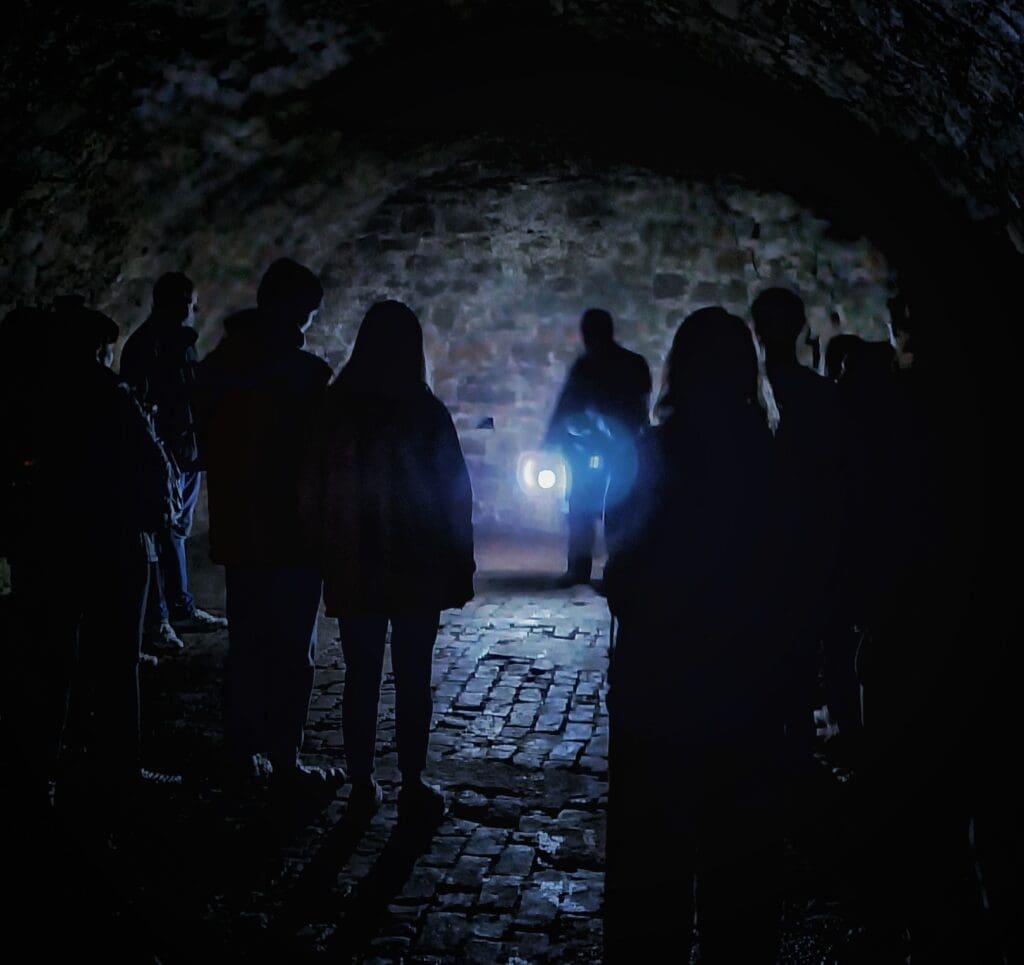
“It’s like Jack the Ripper – if you really knew who it was for definite, it wouldn’t be interesting anymore. It would just be another serial killer, but the fact we don’t know is what keeps it alive.
“It’s an impossible question to ask how scary it is, because some people find it scary and some people just don’t.
“We certainly don’t go our way to make you terrified. We don’t use special effects, fake blood, holograms, or projectors, or any of that stuff.”
Despite this, they had had over 3,500 eyewitness accounts of activity by the Poltergeist, which is said to haunt the tombs and mausoleums of the graveyard.
“That ranges from people coming away with scratches, bruises, bite marks, or being shoved, kicked or punched – which is just a normal day for us.”
To balance out the tension, guides use humour and banter with guests as they “bring the locations to life through their storytelling”.
“We know when to have a laugh, but also when it’s serious, we know how to switch it in a heartbeat. We can get serious in a second because we have to.”
People also used them for recreation, which is still the case today.
In the 19th century, garden cemeteries were built outside growing cities to replace their increasingly overcrowded and unsanitary graveyards.
One of the UK’s earliest garden cemeteries was Sheffield General Cemetery.
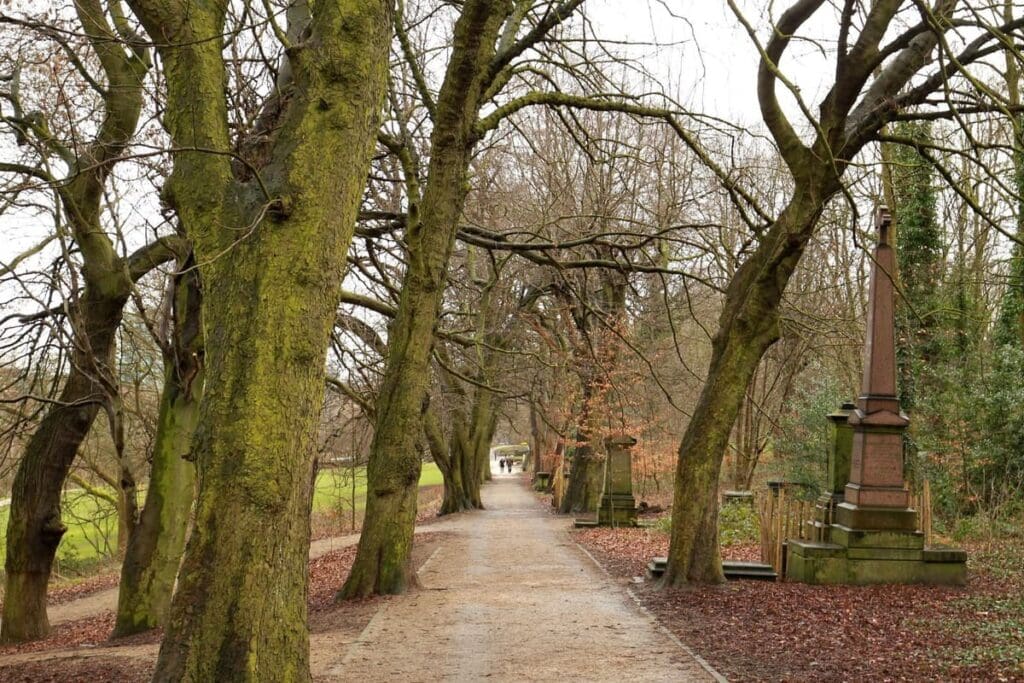
It closed for burials in the late 1970s and is now used as a public park run by a trust of volunteers.
Tracey Harrison-Marr, History Tour Team Co-ordinator there, says people use the site for many things, like walking the dog, picnics in the summer, filming and photography.
“The majority of people just love that the area is maintained and used.
“We run a general history tour and normally give our tour leaders free licence to cover what interests them, so our tours are always different.”
The self-guided trails are themed around specialist subjects such as ‘Founding Football’ and ‘Wildlife and Trees Trail’.
Cemetery tours are offered all over the world, covering many different subjects in many different formats.
Barbados is well known for its tropical sun and golden sands, but tourists often get a chance to learn about local history and culture as well.
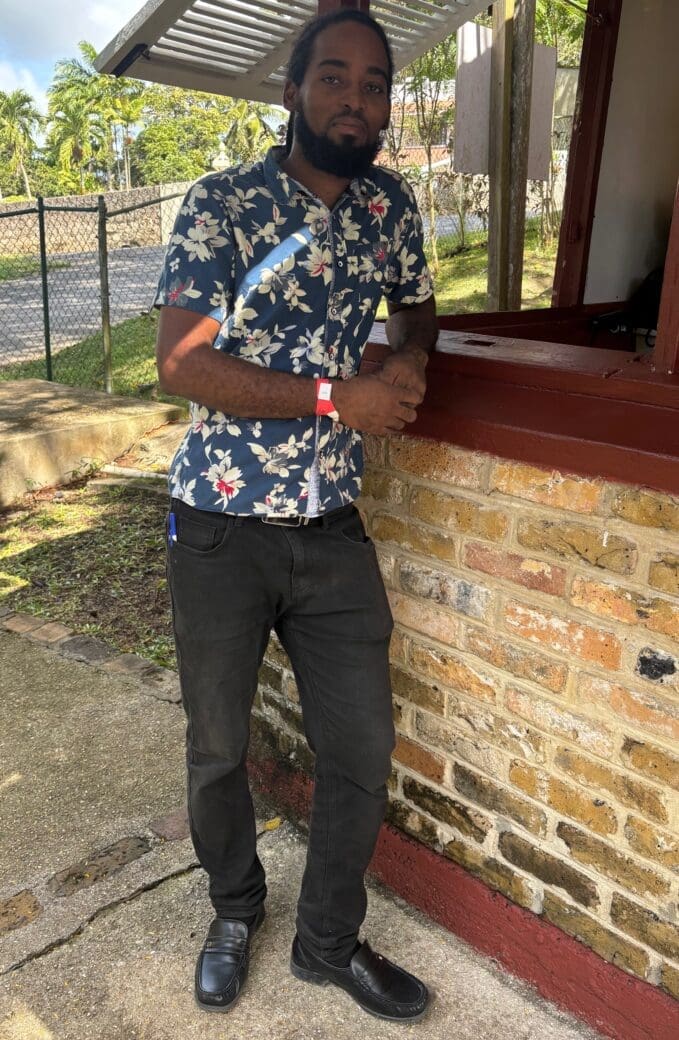
One of the stops on the ‘Secrets of Barbados’ tour that tourists can go on is St. John’s Churchyard on the eastern side of the island.
Driver and tour guide Rolando Prescott is glad that he can share so much about his country to other people.
“These are part of my country’s treasures, areas that we think are treasures to us, that we assume that you all never knew.
“Other areas outside of that are just places that you can go to eat or find entertainment.
“Everyone doesn’t always want entertainment. People like to know something about where they are.”
The cemetery contains the over 350-year-old grave belonging to Ferdinando Paleologus, who Rolando explains was a Greek nobleman who moved to Barbados for a simpler life.
This shows tourists another side to life there and gives an insight into a part of history they otherwise would never have known about.
However, there’s a big question hanging over all this – when does respectful tourism cross over into exploitation?
“You have to fully respect the people who are buried there, and of course the true stories of those people.”
– Jamie Corstophine, City of the Dead Tours
Something that’s paramount at every cemetery that offers tours to the public is ensuring that visitors are considerate of the dead buried there.
At Highgate, Nick says: “I’d say the most likely problem would be people trying to do social media pictures that are inappropriate – inappropriate dress or using the graves as a backdrop – but we’re pretty vigilant about things like that.
“It’s an active cemetery, and the spiritual, restful, reflective nature of the cemetery is the most important thing.”
In Edinburgh, Jamie says he’s the first person to advocate that people respect the churchyard.
“Hundreds, possibly thousands, of people died with the vaults through various different things – mainly because cholera and things like that.
“People there were the poorest of the poor, and they passed away with no help whatsoever from people above them, so that’s in itself is quite horrific.
“At the end of the day, Greyfriars is an 800-year-old burial ground.
“Unfortunately, over the years, there has been a lot of people not respecting the place, but certainly one of the first things that guides are told when they come on to train with us is that I have a zero tolerance to people not showing respect.
“The seriousness cannot be underestimated.
“You have to fully respect the people who are buried there, and of course the true stories of those people.”
Most tours around graveyards are also ticketed, with the money going back into the upkeep of the grounds.
In a cemetery, death is all around you – but that’s a good thing.
They’re a physical symbol of our mortality, so it isn’t just a spectre looming off in the far distance.
Spending time in these places doesn’t just teach us about their inhabitants.
It also gives us a safe outlet to face death head-on and view it from a less daunting perspective.
That’s just as well, seeing as all of us will end up six feet under eventually.