Tracing the evolution of taxidermy from spectacle to science, this piece explores how shifting ethics, materials, and attitudes have reshaped the entire purpose of the timeless craft.
Introduction: Taxidermy Across Time
The word taxidermy, from the Greek τάξις (taxis) and δέρμα (derma), literally means ‘the arranging of skin’. It’s a skill that has been around for centuries, and sparked curiosity right from its birth. The more you explore the world of taxidermy, the more questions seem to arise. For example, how did it manage to regain popularity after losing its following for decades? Where is the line between honouring the dead and reshaping them for display? How has it changed throughout the centuries? I spoke to two taxidermy experts to explore the history, ethics and purpose of this peculiar craft.
What is taxidermy?
Before jumping into its history, let’s begin with a quick overview of what taxidermy actually is. It has remained incredibly accurate to its linguistic origin – taxidermy is the art of preserving an animal’s body by mounting (over an armature) or stuffing.
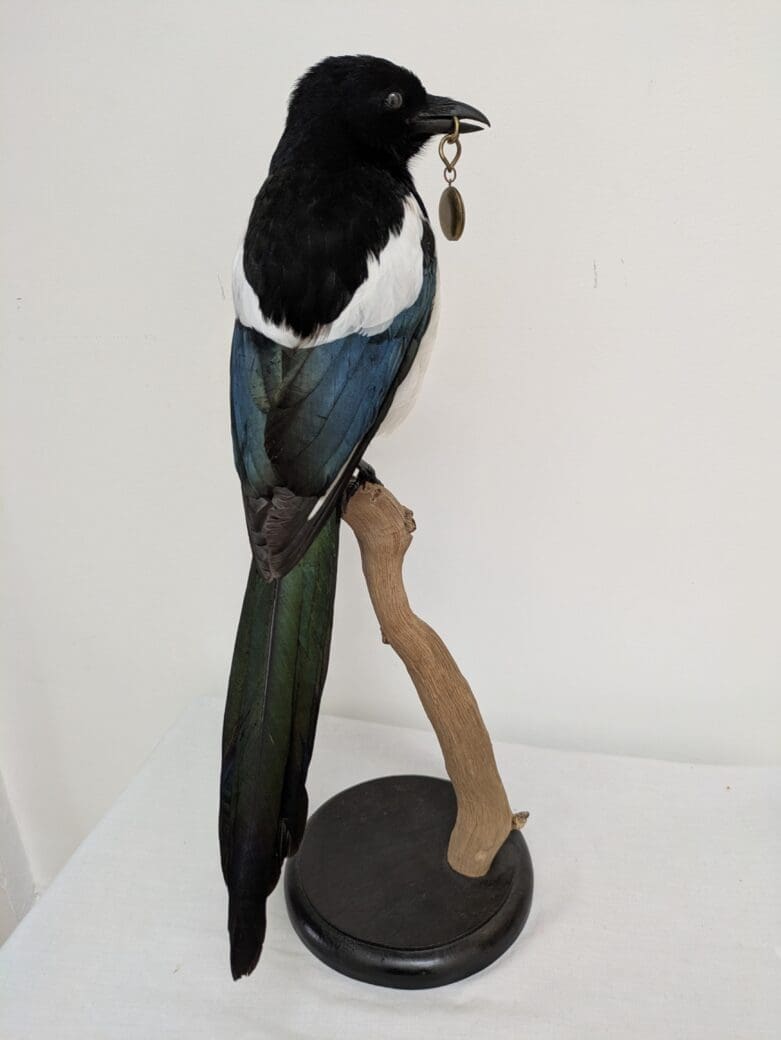
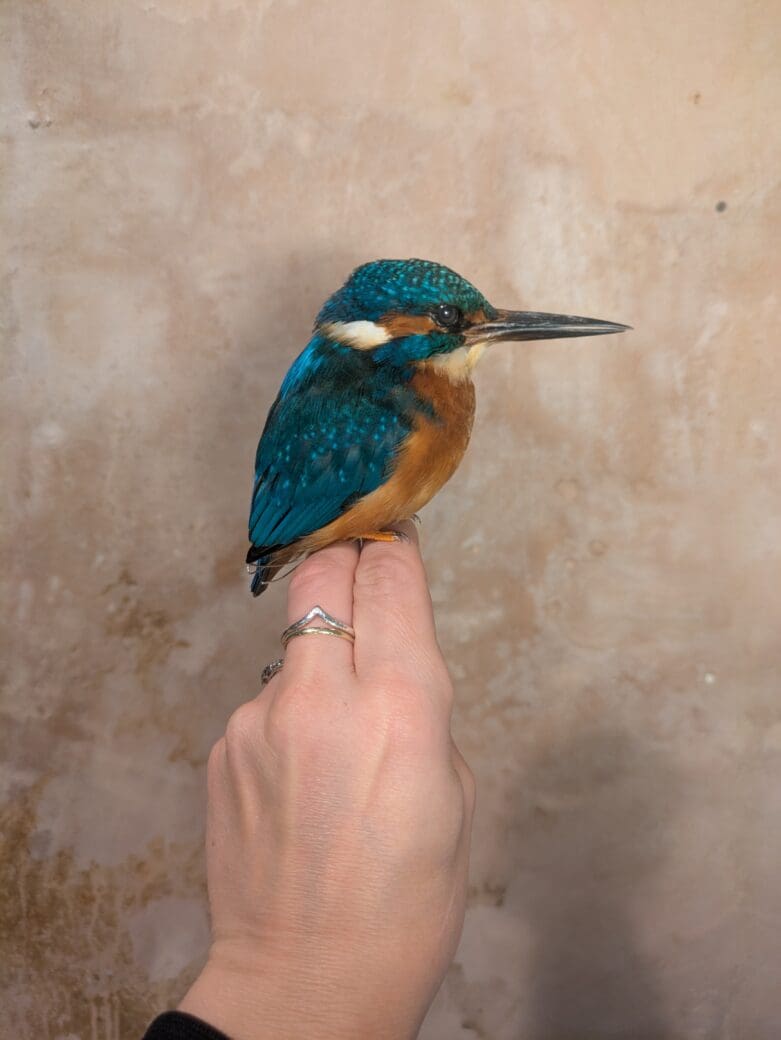
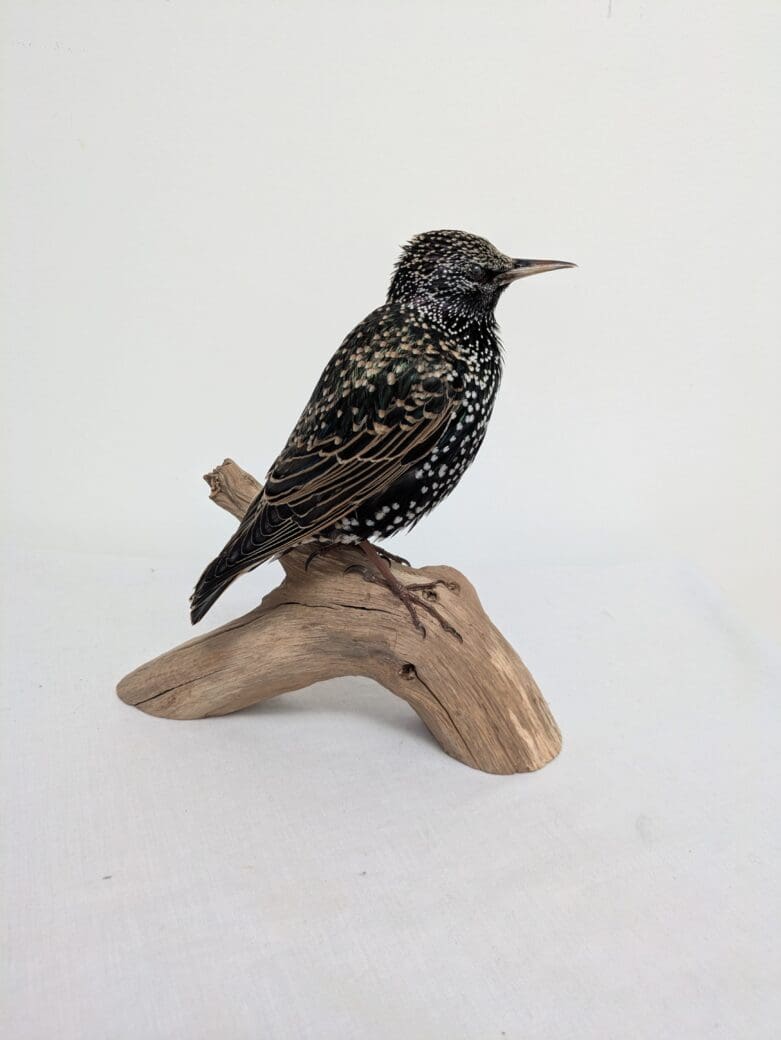
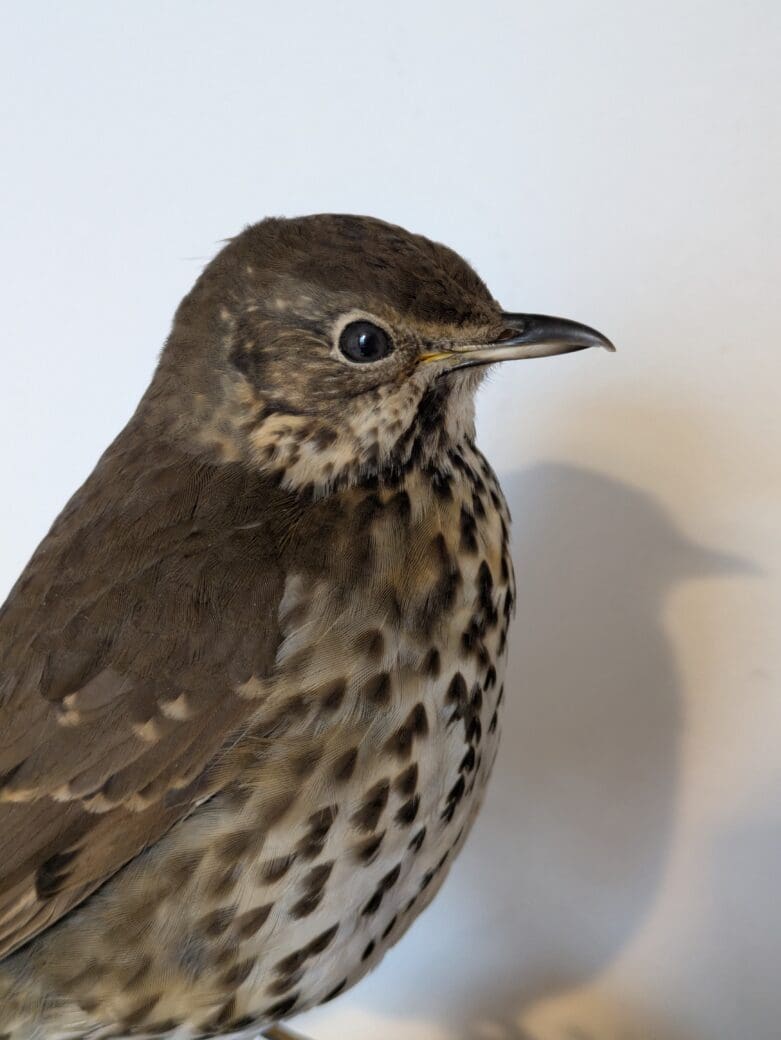
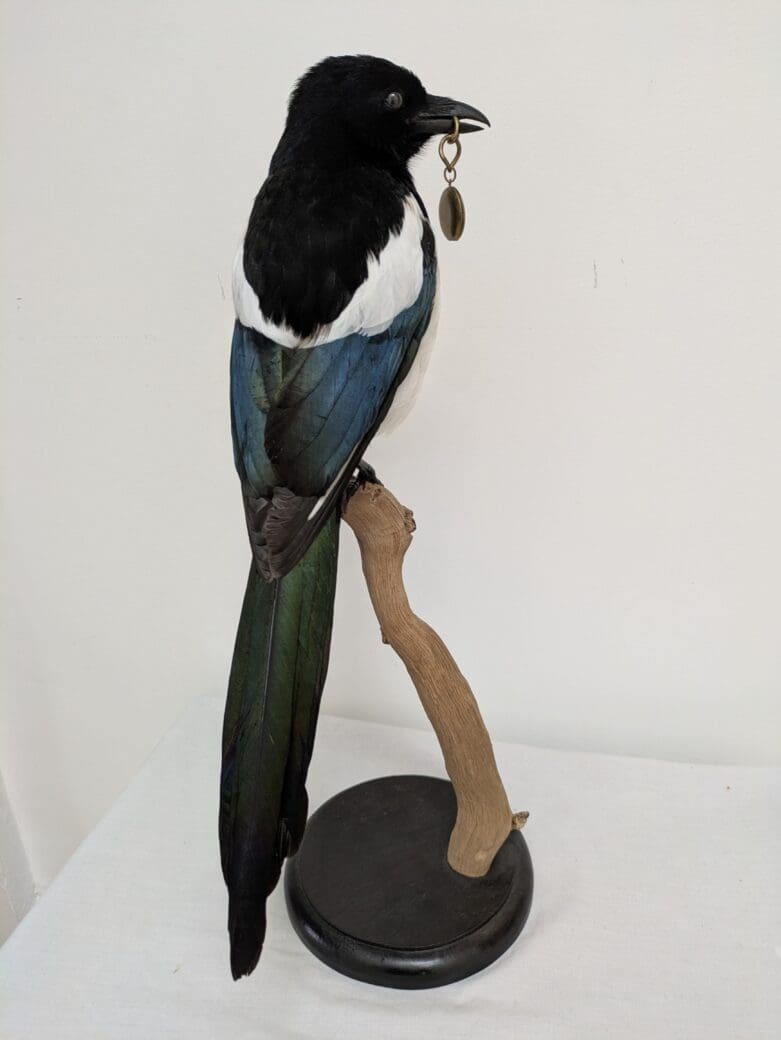
I spoke to Sarah Keen, a taxidermist from Sheffield, to help answer the most basic question: How does one taxidermize an animal? She gave me a full rundown of how she would taxidermize one of her specialities – a small bird.
“I begin with a fresh animal which has died recently and is in good condition –
The condition of the bird has a huge impact on how the final piece will come out.
First, I need to skin the bird, from one initial incision on the front. I take many measurements and make sketches as I go to help with building the mount. Once the skin is removed, I fully clean it, removing all fat and other material, so I am left with pretty much just a skin with feathers. The skull, wing bones and leg bones stay attached, so I also completely clean all material other than bone and some minor connective tissue from them. After this I wash and dry the skin ready for mounting.
Next, I’ll carve a wooden form (from balsa) to replicate the body, referring to the
measurements previously taken and the carcass I removed from the skin. I make an
artificial neck and add this to the form. Then I wire up the bird skin by adding wire to
the leg and wing bones, and binding on cotton wool to build up the leg and wing
muscles I removed. The skull is attached to the form, glass eyes are set into the skull,
wing, then leg wires attached to the body, and the bird is sewn up. Once sewn up, a very lengthy process begins of feathering and posing the bird. They can often still look quite rough even after sewing up, so I need to put the bird on a perch and go through the entire body to get the feathers to sit in the correct order. I spend time looking at the pose, balance, where it’s placing its weight, checking the position of the eyes and many other details. It’s important while doing this to look at reference photos, and not just do what you think looks right, as so often the positioning on a live bird might not be exactly what you have in your memory.”

Now that we have Sarah’s tutorial of how to taxidermize a bird embedded in our brains, let’s explore the history of taxidermy.
Origins: Fragile Beginnings
The earliest examples of taxidermy are difficult to trace. Unlike stone or bone, preserved animal skins decay easily, meaning most early attempts have been lost to time. In conversation with Alexis Turner, founder of London Taxidermy, he offered an explanation as to why preservation was so poor.
“The reason there is so little evidence of taxidermy prior to the end of the eighteenth century is that while some basic skills were being developed, the specimens did not last because the preservation techniques were ineffective.” Methods of preservation included the use of salt, peppers, spices, tobacco, sulphur and ginger. Taxidermists of the time had a lot to learn.
18th–19th Century: Breakthrough & Boom
In the 18th century, taxidermy was becoming all the rage. Horace Walpole (1717-1797), a British politician and antiquarian, wrote incredulously: “There has lately been an auction of stuffed birds, and as natural history is in fashion there are physicians and others who paid forty of fifty guineas for a single Chinese pheasant…you may buy a live one for five.”
Alexis suggested taxidermy gained such traction during this time thanks to a French pharmacist called Jean-Baptiste Becoeur (1718-1777).
“In around 1743, after much experimentation, he invented arsenic soap, a recipe he kept secret and was only discovered about thirty years after he died.”
Arsenic soap was used from thereon in by taxidermists globally to ensure preservation, and remained in use until the 1970s when borax took over as the popular (and much safer) substitute. Alexis diminished my concern about the handling of antique taxidermy today – he reassured me the quantities used were small and exclusively implied to the inside of the skins. Phew.
Taxidermy’s Peak: The Victorian Era
Sarah explained why the Victorian era was a crucial time for taxidermy.
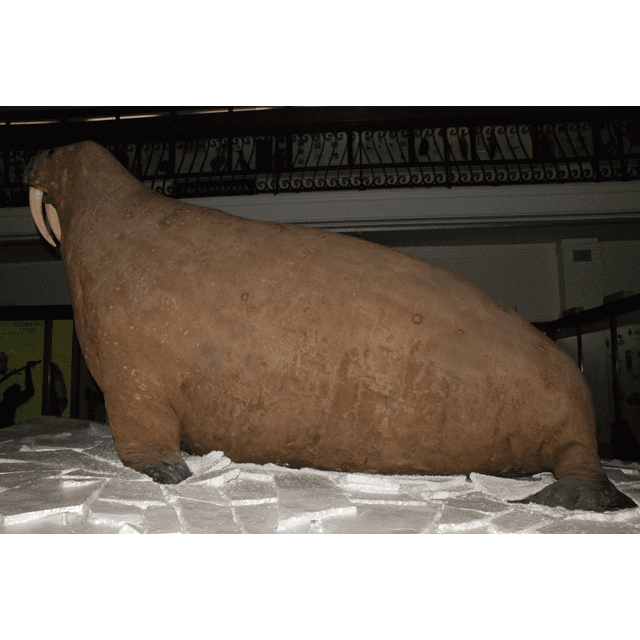
“It really exploded in the Victorian era. Animals were being poached and brought from
expeditions abroad as flat skins with no reference at all of what the live animal even
looked like, other than potentially an artist sketch. There’s a great example of this in
the Horniman museum, it’s a Walrus but the taxidermist didn’t realise it has wrinkles
and folded skin, so they made the form large enough to smooth out all the wrinkles.
The finished mount is so much larger than a walrus should be, and perfectly smooth!”
Taxidermy was securing its place in the intersection between art and science. As people grew more interested in exotic species from other countries, taxidermists made sure to get their hands on them to display.
However, beneath the spectacle, a decline was quietly setting in. Taxidermy’s demise was on the horizon.
Early 20th Century: Realism & Turning Point
Both Sarah and Alexis seemed certain of what caused the decline of taxidermy – it was as the world began to focus on conservation that it in turn began to reject the craft.
“The Victorians had a fascination with death, nature, science, collecting and taxidermy
very much fitted the style of the time. Colonisers and explorers were bringing back
weird and unusual skins from overseas, which further fed into this, and taxidermy
became a common sight in fashion and home interiors.” Sarah explained her point here, and Alexis expanded on it:
“In the early twentieth century, wildlife legislations were becoming more restrictive, disallowing the import of birds and other exotic creatures.”
The concept of a taxidermied animal was becoming one of bad taste, and fascination was curdling into discomfort – although Alexis suggested taxidermy’s official downfall began after the World Wars.
Decline: Taxidermy’s fall from grace
“Its wane in popularity began after the First World War, and went into a downward spiral after the Second,” said Alexis. Once-revered trophies were relegated to the attic, and collections were dismantled and auctioned off. Alexis even told me a giraffe head and neck was found abandoned in a skip outside the Slade School of Art in London, in 1990. People across the globe were sickened by old-fashioned hunting practices, which were once the main source of carcasses for taxidermy. The conservation movement rapidly gained momentum after the Second World War, leading to the ultimate demise of taxidermy.
The craft needed a rebrand, one less focused on trophying animals and more on ethical preservation.
Taxidermy’s Revival – Ethics, Regulation and Modern trends
Taxidermy was almost dead in the ground. Almost. So, during its seemingly last dying breaths, how did it ever recover?
Thankfully, taxidermists altered their carcass sourcing and their recipients, and the craft rose again – like a phoenix, only this time carefully preserved and ethically sourced.
Overall, its purpose was reframed, as it became less about gloating trophies and a fascination for all things exotic (and in turn endangered), and all about preserving animals with ethical and moral standards in place. Sarah discussed where she sources her carcasses from:
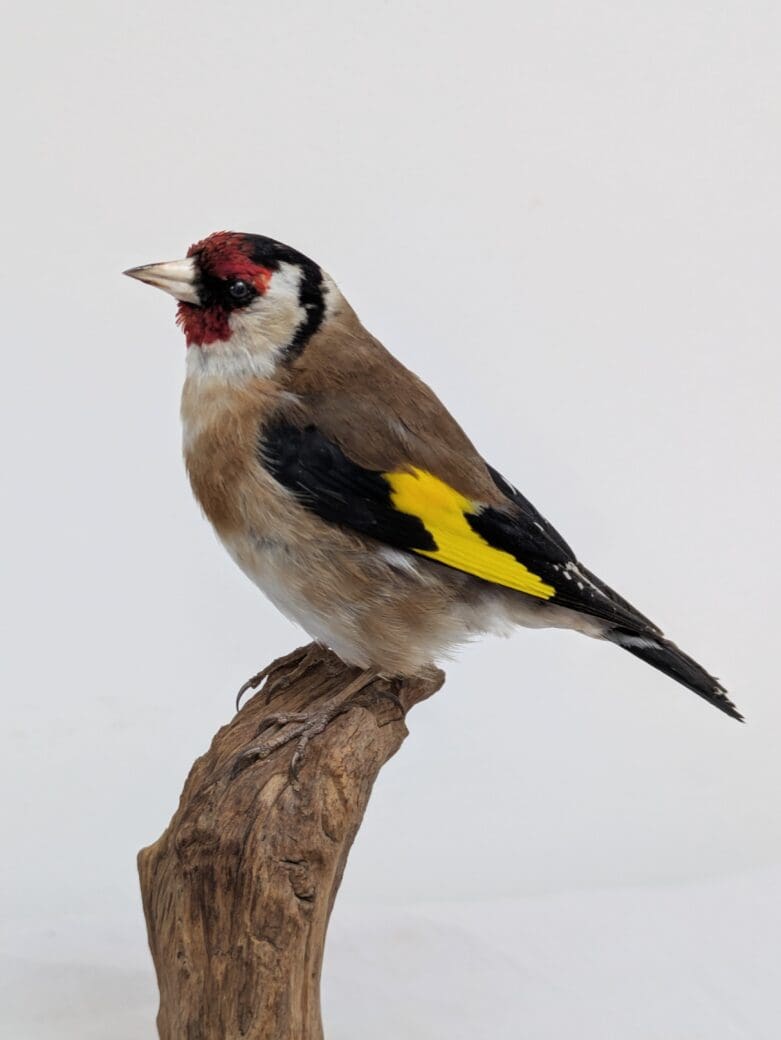
“My birds are found in people’s gardens or by the side of a road and sent to me by members of the public. I think sometimes people have the wrong idea about taxidermists and think we’re all out hunting things for trophies, when really that couldn’t be further from the truth. Like every taxidermist I know, I’m a huge lover of nature and wildlife. I’m a vegetarian, and I do what I do as I have a passion for live birds and hope to recreate the life they had as accurately as I can.”
Turner added, “A growing awareness that taxidermy today presents no threat to wildlife has given confidence to the buying public.”
Conclusion: The Body, Reconsidered
Taxidermy once thrived on spectacle. Exotic animals were staged in scenes of absurd domesticity – while trophy rooms displayed imperial power, lined with bodies taken from distant landscapes. It was a practice rooted in control, in the ability to claim and preserve the natural world. Today, that image feels distant. Modern taxidermy operates under stricter ethical frameworks, shaped by conservation, regulation, and a growing awareness of animal life. As Sarah’s and Alexis’ work reflects, the craft has shifted in meaning as much as method. Where taxidermy once displayed dominance, it now asks for responsibility.