
Five years after game’s release, creative director Nicolas Guerin tells us more.
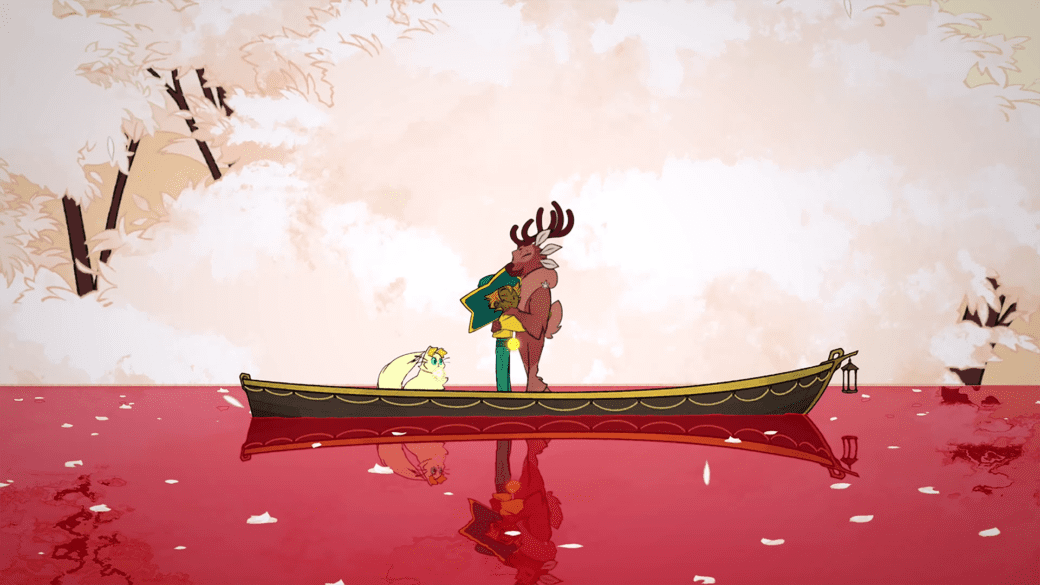
Snuggled into your pet cat Daffodil, you awaken, only to find yourself on a canoe, sailing down still, red water. In front of you, none other than a behemothic stranger, face shadowed by his robe. He introduces himself as ‘Charon, the Spiritfarer,’ but your time together is short; revealing it is you who must take his mantle, and guide stray spirits to the Everdoor, he leaves you with his purpose, the magical Everlight, and then the world.
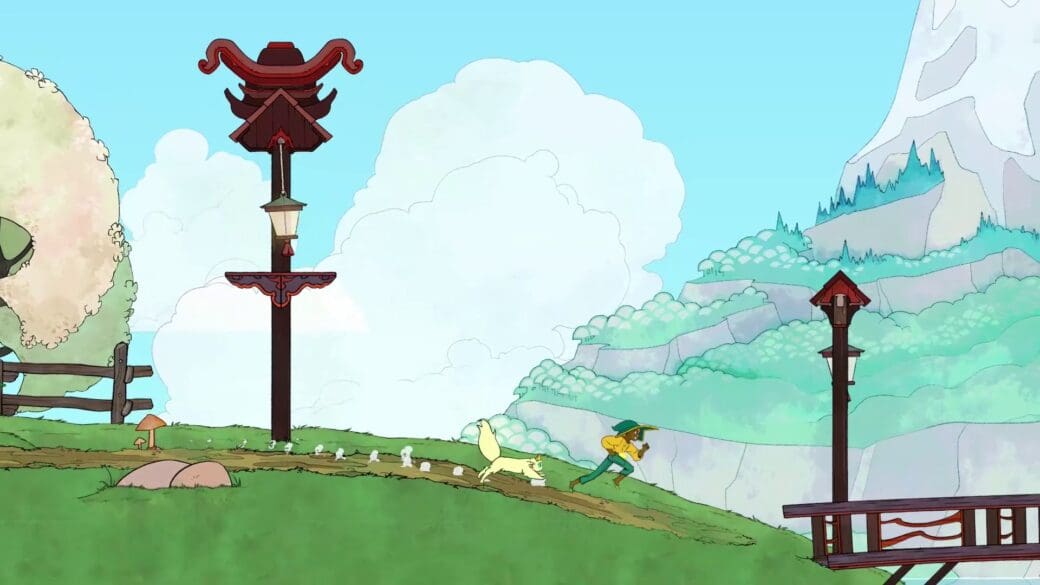
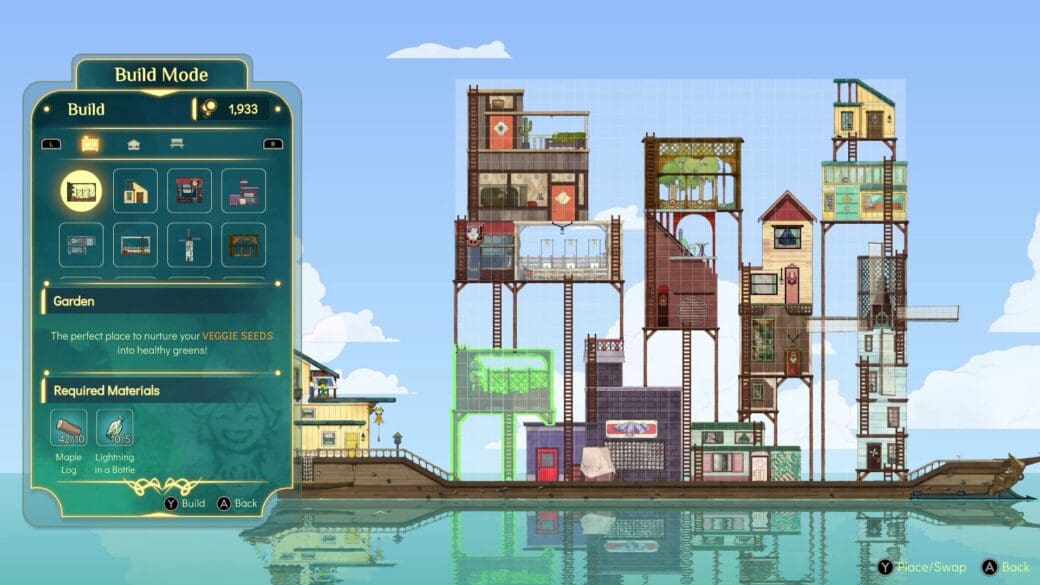
Spiritfarer, developed by Thunder Lotus Games, was released in 2020. The game centres on Stella, who’s made the next ‘Spiritfarer,’ tasked with caring for the spirits she comes across, alongside eventually bringing them to the world’s Everdoor so they can pass on. You travel the world by boat, build spirit houses so spirits can live on board, and complete quests to progress through the story.
“There are many reasons why passing on was chosen,” says Nicolas Guerin, Creative Director of Spiritfarer, “When I joined the project, it was in its very infancy. The idea was to talk about the ancient Greek myth of Charon, the ferryman of the dead.”
“To talk about it in a more bubbly way, we had a contrast between Studio Ghibli – My Neighbor Totoro – and Charon. The idea of striking contrast between celebrating life and talking about death transitioning was very interesting to us.
“And to me, it was also a reason to join the company, because back then I was doing murder games, like Assassin’s Creed, and other games like that, in which you kill people without breaking a sweat which always kind of bothered me.
“It was a very nice opportunity to talk about death in video games, not just life in general, but video games specifically.”
Nicolas says the game talks about death seriously – it grounds it as something real, as opposed to just killing NPCs. While playing, it’s inevitable every spirit you encounter and take care of has to die, eventually venturing through the Everdoor, but each of these moments are tailored to be meaningful.
“There are a couple things in game design that we tend to avoid,” explains Nicolas. “We have ‘loss aversion’ in game design – we don’t want to build up something and then lose it, which is quite contrary to death. In death you lose it all.”
“It was about making sure that losing something was part of the experience.”
Loss is a key part of the game. Nicolas needed to develop a story that not only supported that core theme, but served as a fantasy that players would want to willingly experience. The role of Spiritfarer that Stella undertakes is revealed to be a metaphor – one which represents her real-life job as a palliative care nurse. In retrospect, every moment shared with the spirits in-game become moments shared with patients in her hospice.
“To me, it felt like this is what I have to show. It’s not really about death itself, but more about taking care of dying people and how it actually affects you back,” says Nicolas. “Every mechanic in Spiritfarer is kind of supporting death in a way, not specifically death, but the action of taking care of people who are dying.”
When asked about how Spiritfarer handles themes of both acceptance and companionship, Nicolas admitted that they ‘don’t handle it at all, actually.’ In lieu of accompanying players, he wanted to make sure players travelled through the game unaccompanied, and independently took things in as they came.
“I wanted people to experience that in a pretty raw way, which is people are going to die and there’s nothing you can do about it because there’s nothing I can do about it, and there’s nothing you can do about it for real.” continued Nicolas.
“And when it happens, you feel extremely helpless. The acceptance comes from the fact that you have to be confronted with the reality of not being able to do anything. You have no power over it, and that’s super important. Acceptance itself needs to be kind of hard as a feeling.
“Otherwise, you will always cling to ‘I will be accompanied to it, I will have some help,’ and coming from the position of someone who witnessed someone else dying, yes, you could have some help, but to me, it felt like the game would be more truthful if you didn’t.”
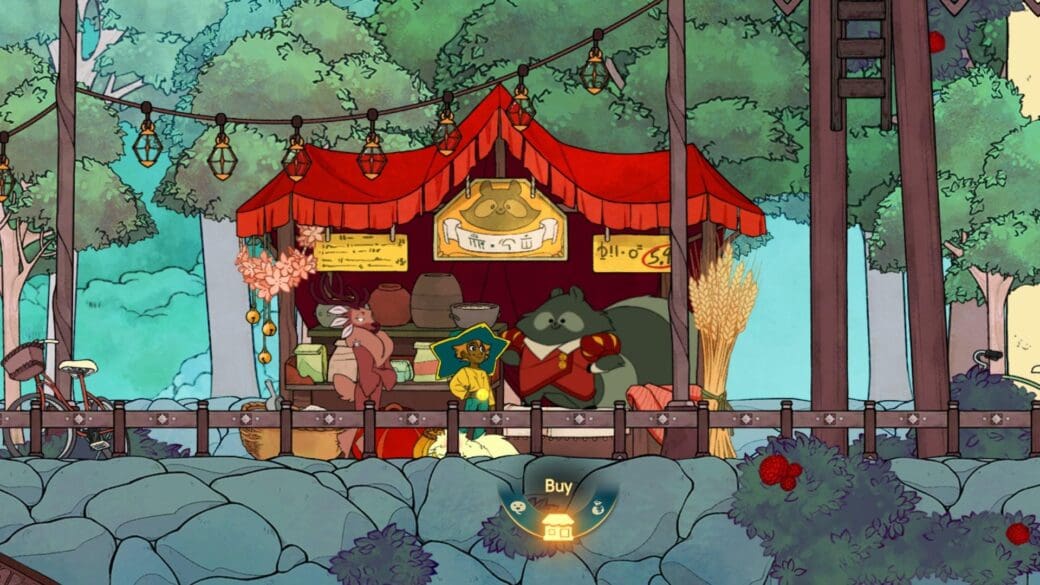
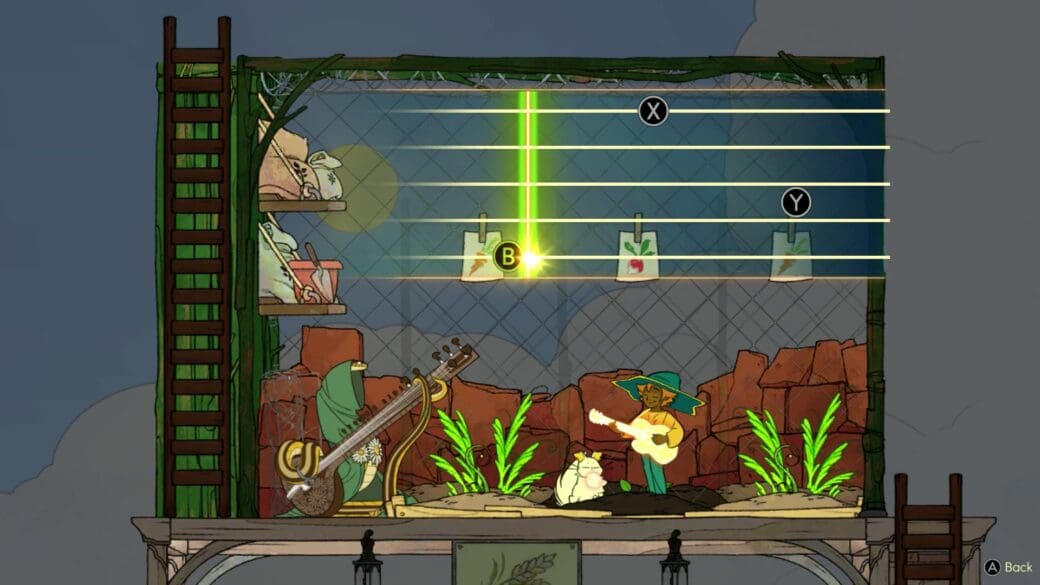
Legacy and transference were important ideas considered by the team. One of the games’ earliest catchphrases was ‘what we leave behind.’ Nicolas admits that while Stella herself doesn’t leave much behind, the spirits leave tons for her – such as their houses, their teachings, who they were, and their enduring influence.
“What you have to feel first is the fact that it happens to you, and you have to feel powerless about it. But now that you’re powerless about the actual passing on of people, what can you do about it?” says Nicolas. “That’s where the companionship comes into play. Well, that companionship itself, but also taking into account all the lives that you have accompanied.
“Those people affected you back, so they live on in you.”
Spirits within the game are inspired by real people. Developers looked towards those who had importance in their lives to shape their personalities. During early development, Nicolas asked everyone if they wanted to share stories about friends or relatives that passed away.
Nicolas’ grandmother can be seen in the spirit Astrid, his grandfather can be seen in the spirit of Giovanni, and a very good friend of his who died at eighteen can be seen in the spirit Buck.
Some spirits are also loosely inspired by fantasy characters.
“The idea was always to find a way that these characters would bring a new light or a new facet to how they deal with death themselves, ranging from accepting to not accepting at all,” says Nicolas. “So we had to make these characters truthful. I think the most attuned to what’s going on with her is Summer, but for the rest of the cast is pretty much not that, you know, enthusiastic about it.
“Gwen, the first one is pretty okay, but she doesn’t really like it. Some people just disappear, like Atul. Some are straight up not for it, like Bruce and Mickey.
“The spirits that you get to meet towards the end are, in general, not that much accepting of it.”
Nicolas is proud that he sustained difficult choices to make things happen in the game. Some of his creative decisions were against general design principles, or what the team personally wanted. For example, he wanted a cosy, slow-paced game, despite cosiness not being ‘that much in the DNA of the team.’
“Everyone was against the idea of keeping the spirit’s houses on board because they take space, and space is a currency,” explains Nicolas. “To me it was exactly the point, but it was very hard to convince everyone it was a good idea. And it might have been a bad idea. I mean, people might have reacted poorly to it – you never know before it’s out how people will react to it.
“Its pretty easy now, you know, to say I was right, but I could have been wrong. And people would’ve said yeah, you should have removed those houses.
“That’s what game design is about.”
In retrospect, Nicolas admits there’s a fine line between ‘being cosy and being super boring’ when it comes to cosy games. If he could go back, he’d cut down the grind, and maybe leave the play time at about fifteen hours instead of thirty.
Even so, the game has been a resounding hit with players worldwide. The game has sold over one million copies, and 94% of reviewers on Steam, as of this article, have rated the game positively. Spiritfarer is award-winning; it won multiple categories of the Canadian Game Awards, and won ‘Best International Mobile Game’ from Pégases Awards in 2023.
It also received numerous nominations following release, including some from The Game Awards 2020, the 2021 BAFTA Game Awards, and the 24th Annual D.I.C.E Awards.
“It was fantastic, but it was super strange because it was during the pandemic,” says Nicolas, commenting on the game’s reception. “It was in 2020, so we didn’t feel it. It was kind of eerie in the sense that we understood that we had commercial and critical success in the months following. We had tons of invitations to cool moments – BAFTAs, game awards, prizes of every type. We won a few of them, we were nominated for way more than those.
“But it was happening like you, on a screen, in a very virtual environment. For The Game Awards and the BAFTAs I was wearing a tuxedo up, and I was in my PJs down. It was kind of happening somewhere in the world which is always the truth for video games. It’s a thing that lives beyond your physical boundaries.
“For Spiritfarerer the success – or what we felt was success – we had to think about it three times, and even to this day I’m not entirely sure if it actually happened.”
One of the huge reasons Nicolas is making games is so people can take something away from them, and that ‘what matters is it happens,’ even if he isn’t exactly sure what he wants ‘it’ to be. He doesn’t want to impose his ideas on others at all, but rather hopes his games can be a way to explore him as a creator, and as a player.
He admits he did expect people to be moved by Spiritfarer, and even transformed in some small way entirely unique to themselves.
“For Spiritfarer for sure I wanted to have some death positivity out there, so I was assuming that it would somehow help some people out, but it’s not a cure at all.” says Nicolas. “… it’s very tiny piece by very tiny piece. Spiritfarer might play a very tiny piece into the ten-thousand pieces you need to accept if it can ever happen, about death and dying, and think about life in a more positive way.
“Kind of like a YOLO thing.”
As an atheist, Nicolas himself doesn’t believe in an afterlife, and is instead a ‘scientist at heart.’ To him, it always felt that ‘death doesn’t really matter to anyone, or anything in the world in a molecular sense,’ but that in of itself is a reason to enjoy life, and rise above the dread of thinking ‘what are we here for?’
“It does matter,” says Nicolas. “You can actually cognitively reason – you can reason by the idea that all steps that bring you to you right now, or any form of life on Earth, and even inorganic life, or in organic things – it’s a chain of reactions. It’s a chain of consequences that made that thing be there at the moment it is now.
“So it felt to me that death is interesting because it’s part of the cycle, and we’re part of it, and we are part of a bigger whole than we want to admit. Even if that whole is incredibly insignificant, it still is there.
“It’s like voting – you want to vote, it’s important to vote but you know it’s not going to amount to much. But then you know it’s going to be something, because all those things combined make something happen.”
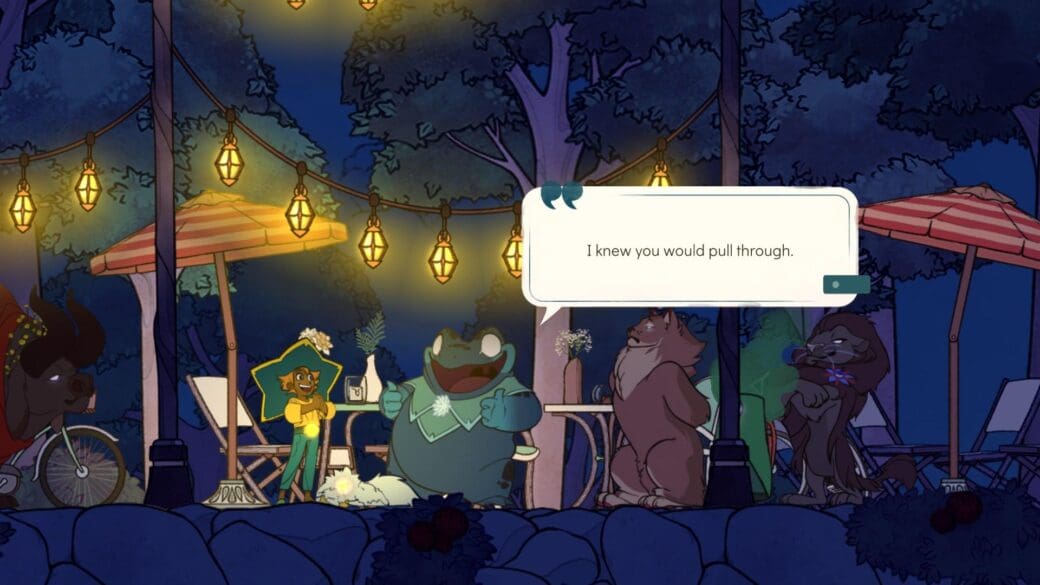
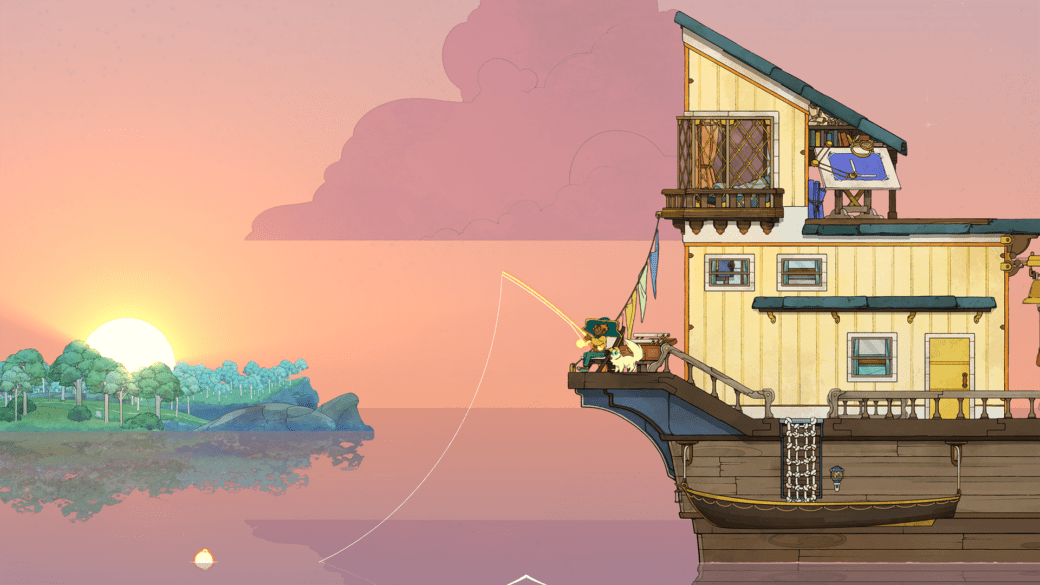
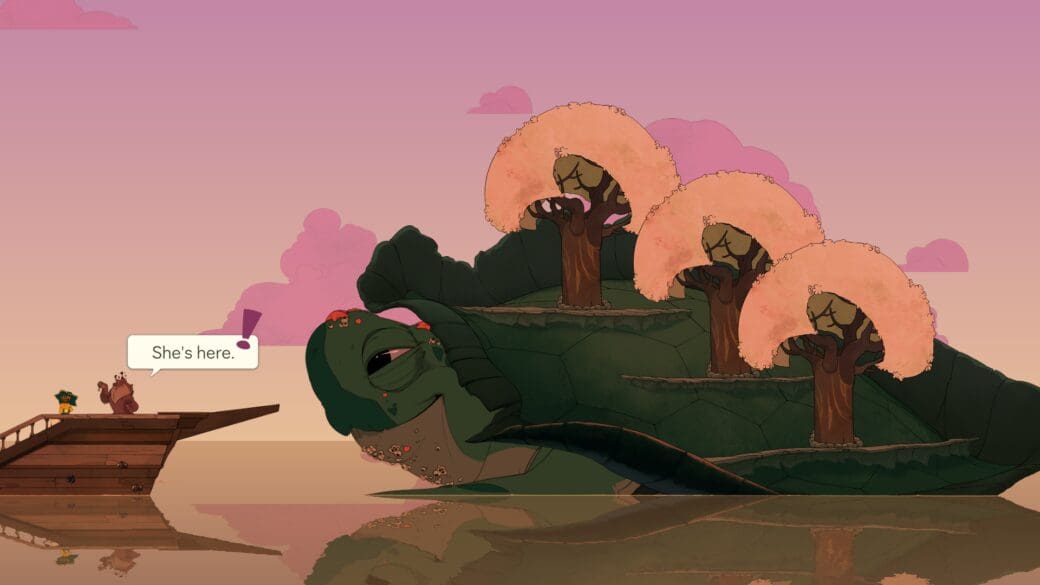
Nicolas believes death in itself is complicated, but for the living, what matters is accepting loss, even when it comes to things such as video games. As he gets older, he feels games have become focused on rewarding players, which – while not entirely bad – nourishes our cognitive bias towards accumulating things.
“The thing that we need to work on the most is that we are gaining, gaining, gaining and gaining.” says Nicolas. “Every game you play is a game of gaining. You need to be rewarded for something you did, and that reward is something you accumulate.
“The more and more we play, the more and more we feel that’s the thing that’s rewarding us, and then that becomes a problem, because you are beginning to be more and more loss averse, and loss is part of life.
“Games about loss don’t exist. They are very, very, very rare, and Spiritfarer to me is a game about loss rather than a game about reward.”
“… we feel innately drawn to [gaining], but we have to accept to lose stuff more, and that’s really not easy.”
Spiritfarer can be played on PC, PlayStation, Xbox, Nintendo Switch, or mobile via. Spiritfarer: Netflix Edition.