
Silicone memorials are giving grieving families a way to keep a familiar face in the room.
Inside an old factory-warehouse near Dum Dum Junction, heads wait for hair, hands wait for colour, and unfinished faces stare out from benches and shelves. Some will become religious icons. Some will become cricketers, film stars or political figures. Others will become something much harder to categorise: life-size replicas of people who have died.
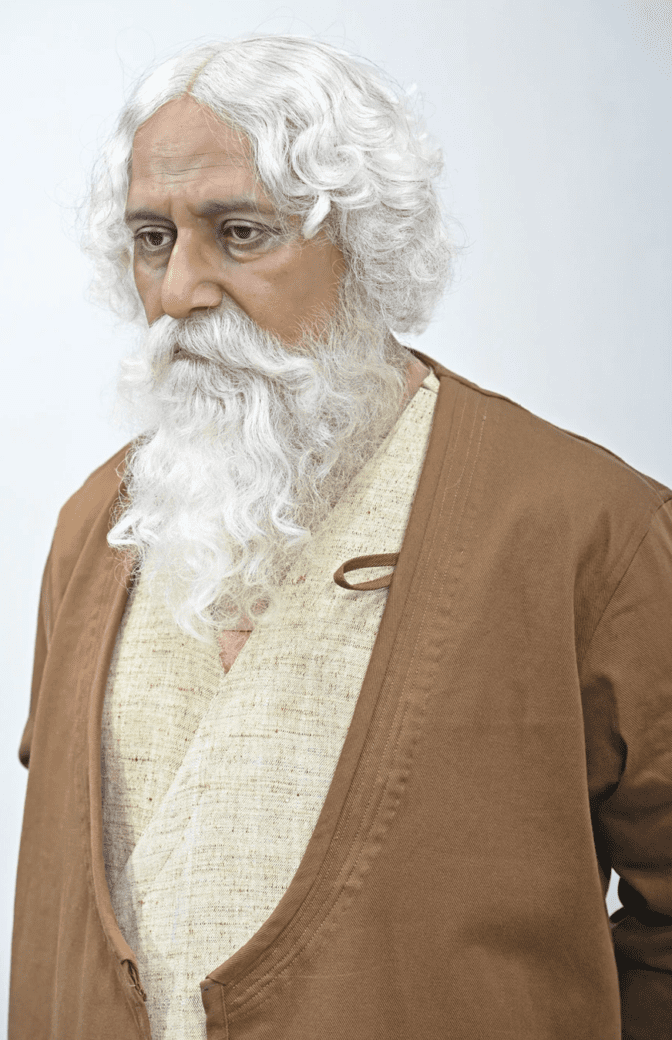
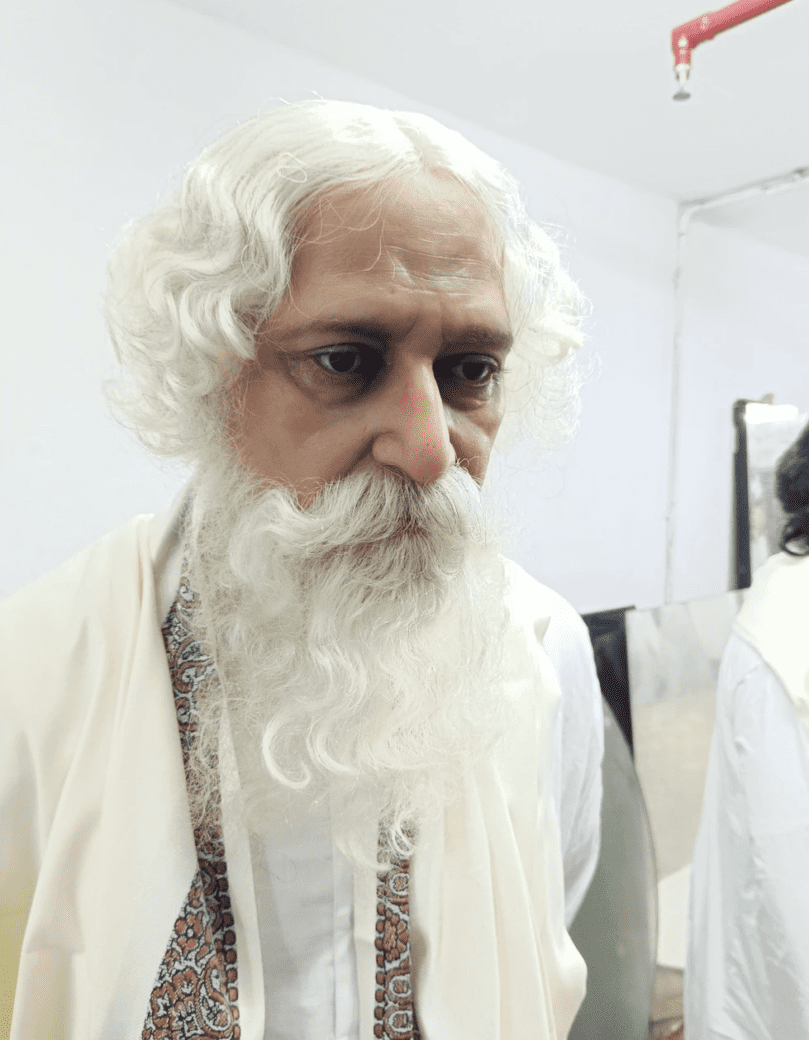
Subimal Das is the sculptor behind Subi Creative House, a workshop of around 80 artists making hyper-realistic figures from clay, fibreglass and silicone. His studio has produced public figures, museum displays, festival sculptures and famous faces, including Gandhi, Rabindranath Tagore, Mother Teresa, Virat Kohli, Lionel Messi and Pelé.
For years, that was the main business. Das made figures people expected to see in public: saints, celebrities, cultural icons, historical leaders. But after Covid, a different kind of customer began arriving. They were not asking him to recreate the famous. They were asking him to recreate the familiar.
A husband. A wife. A mother. A father. A son.
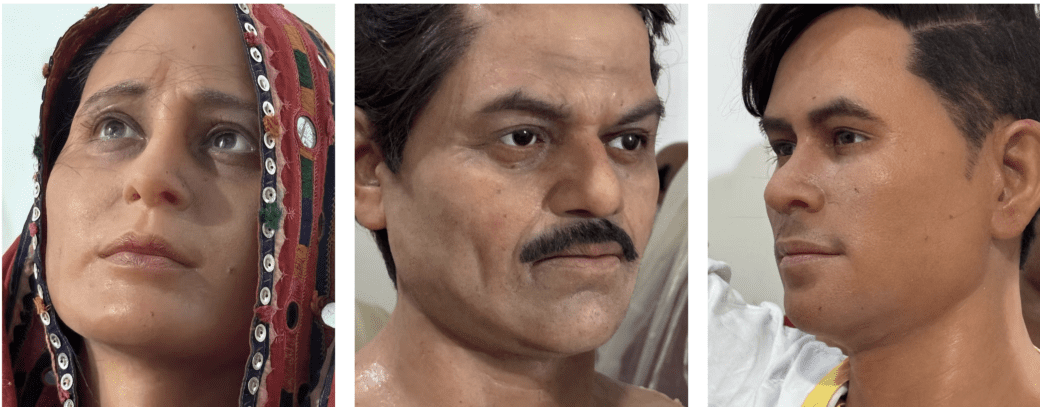
The requests turned Das’s craft into something more emotional. Families came to him with photographs, old clothes, jewellery and memories. They wanted the angle of a smile right. They wanted the eyes to feel known. They wanted a sari to fall the way it had in life, or a shirt to sit on the shoulders of someone who was no longer there.
Das has described his work as “hyper-realistic”, and the detail is what makes it convincing. The figures are built slowly. Clay comes first. Then moulding, fibreglass, silicone, pigment, clothing and hair. The studio’s own description of its process says clients provide reference photographs, clothing, jewellery, expressions and poses before the sculpture is hand-finished with layered pigments and texture work.
The work is technical, but it depends on feeling. A face can be accurate and still not be right. For a family, even the smallest mistake can completely break the illusion. The mouth may be shaped correctly, but not carry the expression they remember. The eyes may be in the right place, but not feel like the person who once looked back at them.
That is where Das’s job becomes stranger than ordinary sculpture. He is not only copying a face. He is trying to make grief recognise it.
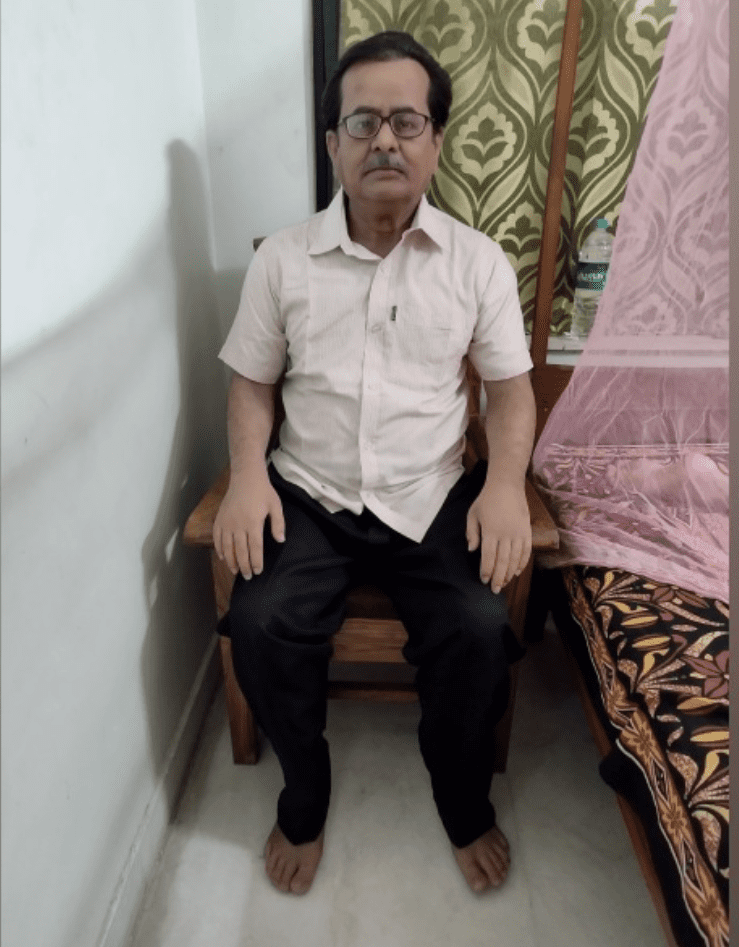
The commission that brought wider attention to this work came from Tapas Sandilya, a retired government employee from Kolkata. His wife, Indrani, died from Covid in May 2021 during India’s second wave. Years earlier, the couple had seen a lifelike religious figure at the ISKCON temple in Mayapur, and Indrani told her husband she wanted something similar made of herself if she died first. After 39 years of marriage, Sandilya went looking for someone who could do it.
He found Das.
The figure Das made of Indrani weighs around 30kg and is dressed in a silk sari and jewellery. It sits on a swing in the house, in a place associated with her. Sandilya worked closely with Das during the clay stage because the expression had to feel right. This was not a decorative statue. It was a promise being made visible.
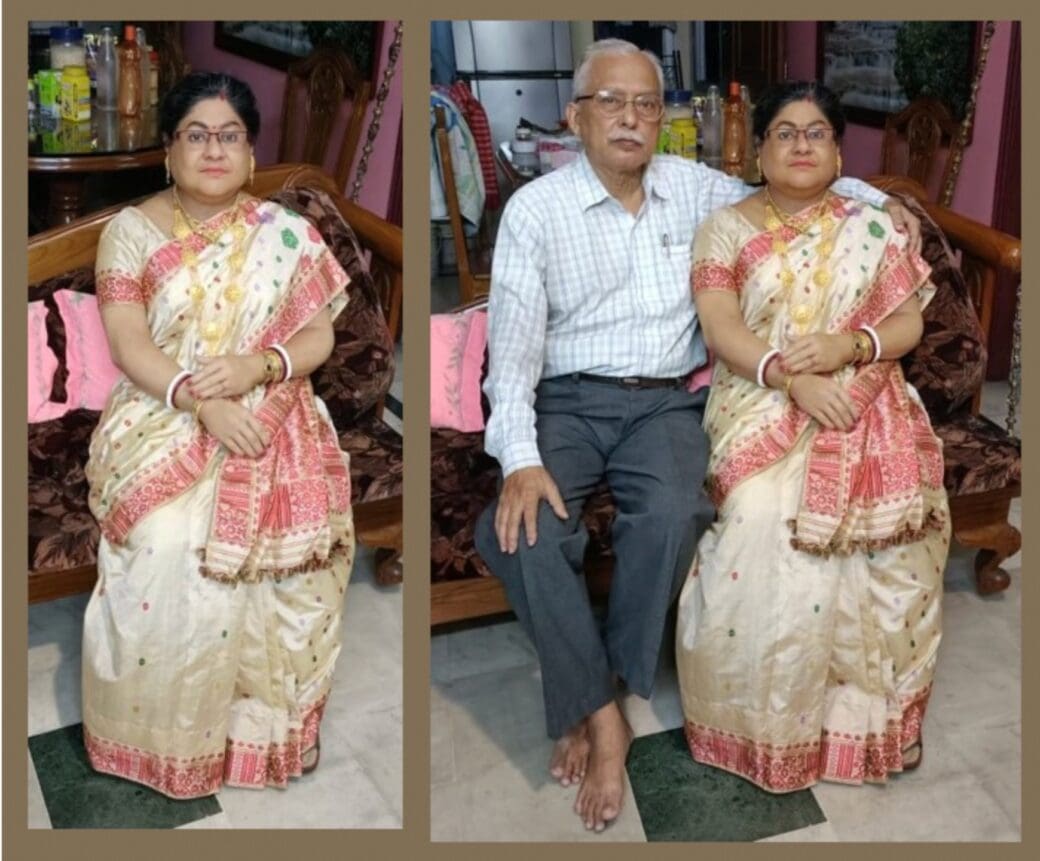
After that, more families came. There is Samit Dutta, who commissioned figures of his parents. There is Gita Bhattacharjee, whose son went missing and who later had a sculpture made of him. There are widows and widowers who want someone back in the room, even if only in silicone.
Das does not present the figures as replacements for the dead. He knows they cannot do that. They cannot breathe, answer, move or age. But he also understands why people want them. In the Guardian’s reporting, he says families see the figures as “so real it breathes”, and that the finished details, the eyes, jewellery and clothing, can make both him and the families emotional.
Das’s figures do not replace that ritual. They are not treated as the person’s real body, and they do not suggest the soul has returned. They are memorial objects. After cremation, when the body is gone, they give families something physical to look at, dress, sit beside and remember.
The comfort of the work lies in its resemblance. The sadness lies there too.
However carefully Das paints the skin, it will not warm. However perfectly he places the eyes, they will not look back. However familiar the sari, jewellery or posture, the person is still absent.
Subimal Das is not bringing people back from the dead.
He is doing something quieter, and more human: making absence visible.
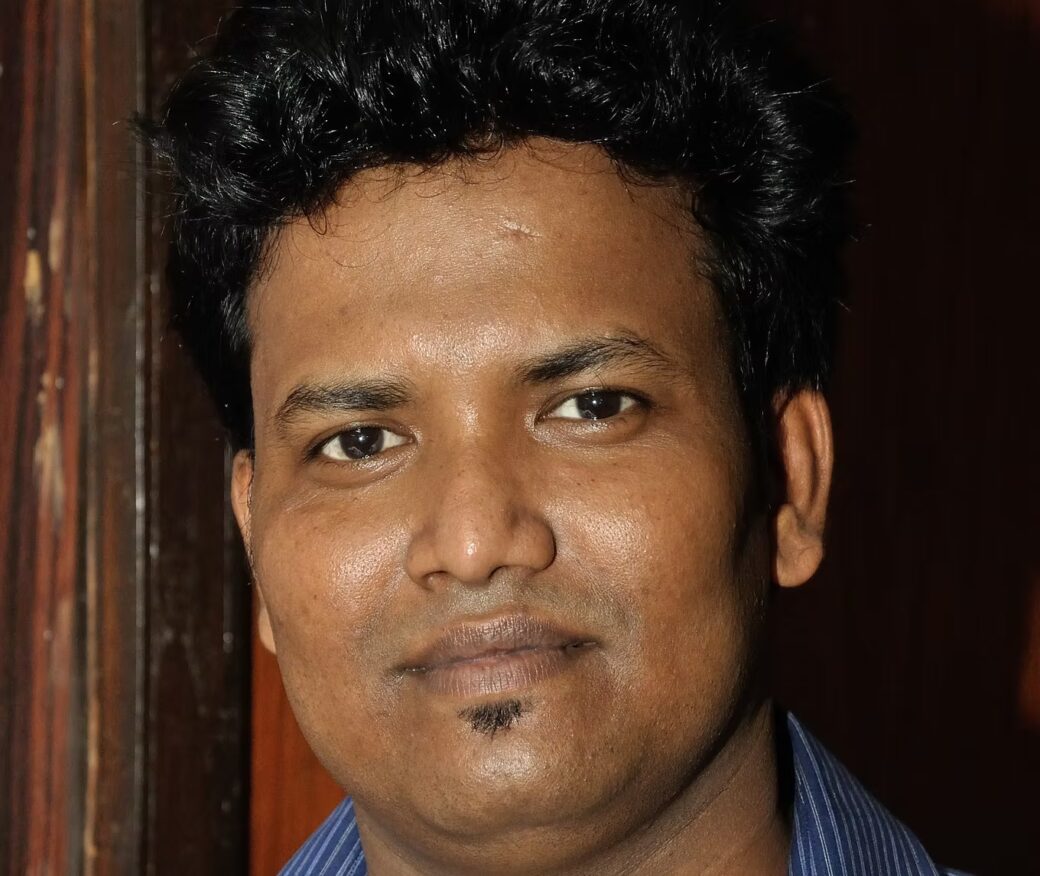
About the expert:
Dr. Subimal Das is a renowned sculptor and painter, celebrated for his ability to bring life to art through intricate sculptures and captivating paintings. As the founder of SubiCreative House, he has dedicated his career to pushing the boundaries of artistic expression, blending traditional craftsmanship with contemporary aesthetics.