Spoilers for Chainsaw Man, Naruto, Jujutsu Kaisen, and Demon Slayer
Over the last twenty years, the shonen scene has undergone a dramatic shift. Once filled with stories where heroes always found a way to save everyone, the tales of today instead ask what happens when people can’t be saved.
Older shonen series were low stakes, more about fun adventures than grisly struggles. The genre’s name does translate to ‘for young boys’, after all. It was created so kids could enjoy a whirlwind adventure to sit down in front of, not to traumatise and upset. But in recent years, popular titles like Chainsaw Man and Jujutsu Kaisen have become comfortable with killing off beloved characters right after building up their stories to the perfect amount.
In One Piece, every loved character who dies gets brought back to life with a cheeky ‘oops, tricked you there!’ Meanwhile, in modern shonen, there is no fanfare. Your favourite character gets a monologue, maybe some more backstory, before being wiped out.
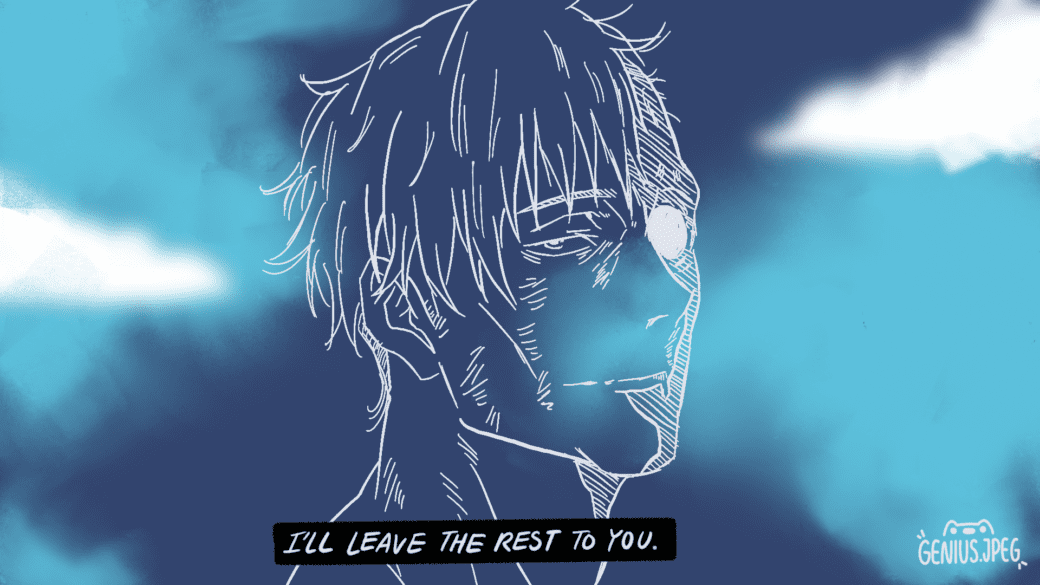
I remember reading Chainsaw Man after the anime came out in 2022 and immediately knew my favourite character was Aki Hayakawa. His backstory was rich and tragic, and within one season, his development was clear for every audience member to see. He went from grouchy senior to someone who genuinely cared for the devils in his care that he started off hating.
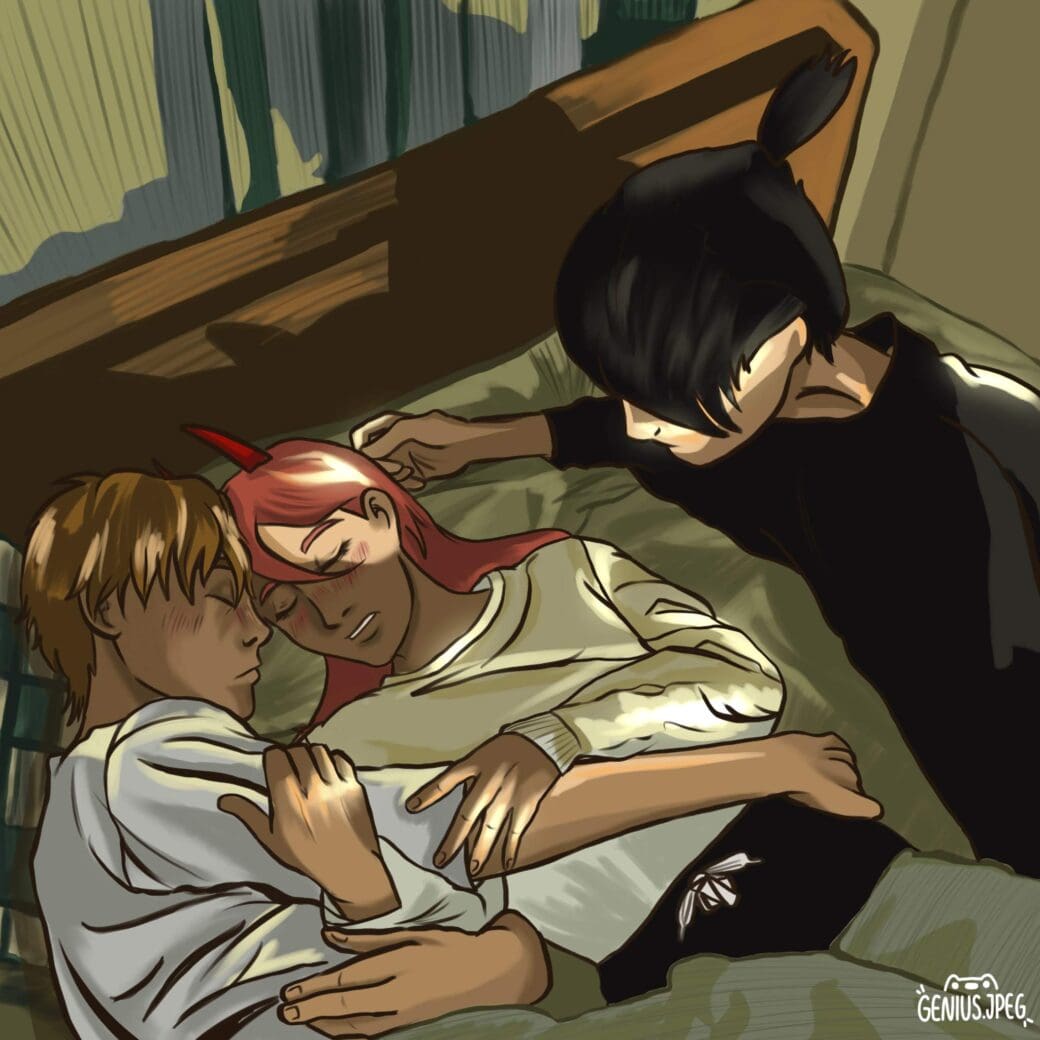
I binged the manga and then watched in horror as Tatsuki Fujimoto not only killed off my favourite character, but in the worst way possible. He became possessed by the Gun Devil that massacred his family, and died at the hands of someone who saw him as an older brother. A tragic and ultimately unfair end for him.
So why are modern stories so unwilling to reverse death, and go back to the cheery low-stakes days of colourful stories? Well, it makes for a great story, first of all.
Many fans actually criticised One Piece over time for their fake-out deaths, calling it cheap after so long the show has been running (1164 episodes and counting). If the story is so low-stakes, it just doesn’t make it emotionally compelling. Audiences also tend to think it works well for titles like Jujutsu Kaisen and Chainsaw Man, which both dabble in horror elements, as a grisly death just seems to fit into the world being built. No one is safe when the world is being overrun by curses and demons.
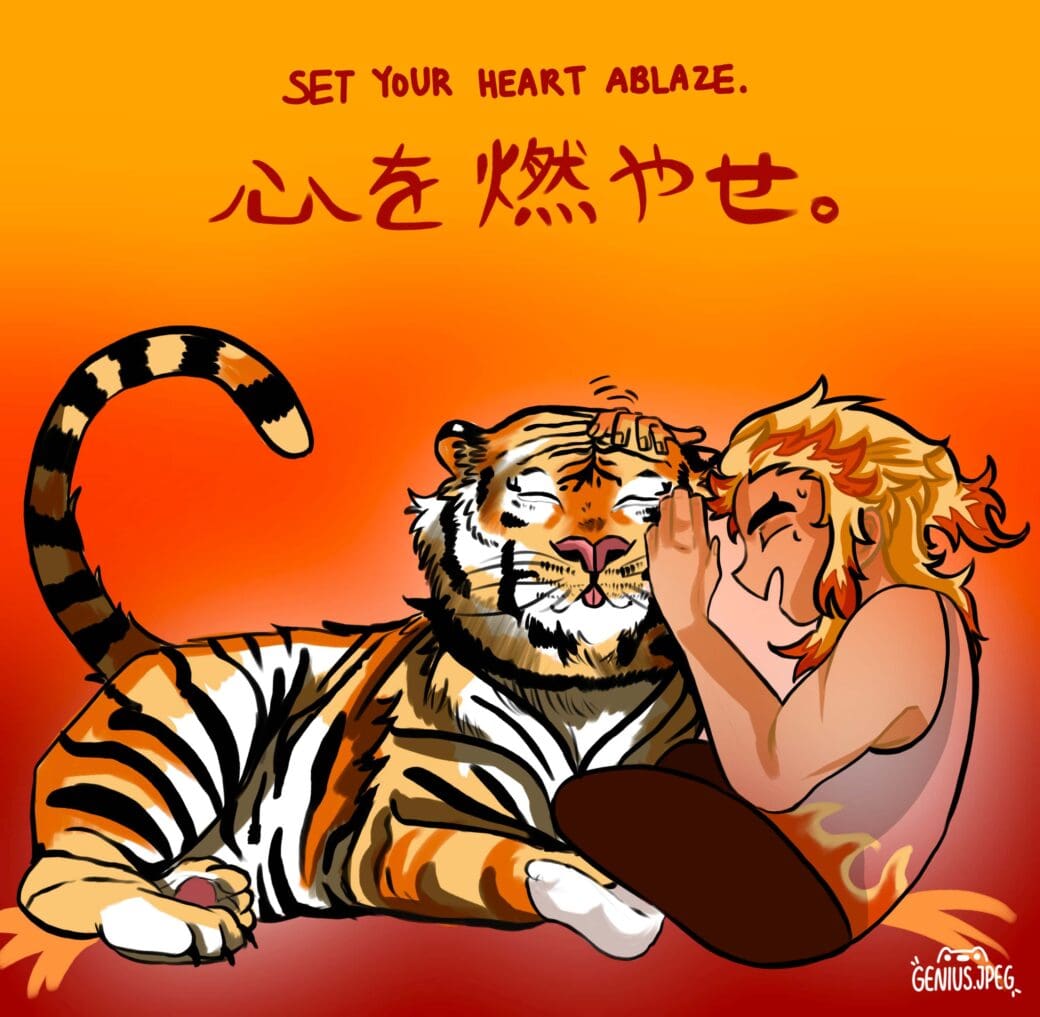
Another point is that life and death are often at the very core of shonen. There’s always a world-ending threat, and the main characters feel a strong sense of protecting what they have, which grants us emotional scenes of perseverance. In Demon Slayer, yes, most of the best characters die in the last battle. But one of the main themes of the work is that human life is short and limited compared to the immortality of the demons they have to fight. And yet the hunters persist in protecting humanity, and their determination to continue makes the story more inspiring.
Younger audiences have also obviously been desensitised to the presence of death. When Naruto aired the episode with Neji’s death, people criticised the show so much that it was nearly cancelled on the pretence that it was too brutal for children to watch.
But now, children interact with graphic and gory media all the time. Whether it be a story on the news or in a book they’re reading, kids just aren’t that affected by death anymore. So, authors go for the next thing that will shock and invoke emotion; build up a beloved character’s story and have them killed off in a gory fashion instead of showing meaningless violence.
Some people share the sentiment that they shouldn’t care or bother getting attached if these characters are just going to be killed off. Many people actually boycott their favourite manga or anime after their hero gets wiped out, but they miss these points.
Just because something ends, it doesn’t mean it’s meaningless. Experiences are finite, shows end, the curtains close, characters die, life comes to a stop. That doesn’t mean we don’t stand up and applaud when something moves us, right?
If I stopped reading Chainsaw Man after Aki got killed off, I would never be introduced to many other characters that stole the show the same way he did. I would never have that experience of my eyes opening to a truly great story.
So why should we let the finite ruin a good time?