Folklore expert Amelia Roberts answers our readers’ questions about the British death customs that still haunt everyday life.
British death folklore is not as distant as it seems. Some beliefs with medieval roots still survive quietly in the way people respond to death. Dead Curious readers wanted to know why, so we put your questions to folklore expert Amelia Roberts.
Q: Is there a death superstition that people still believe today?
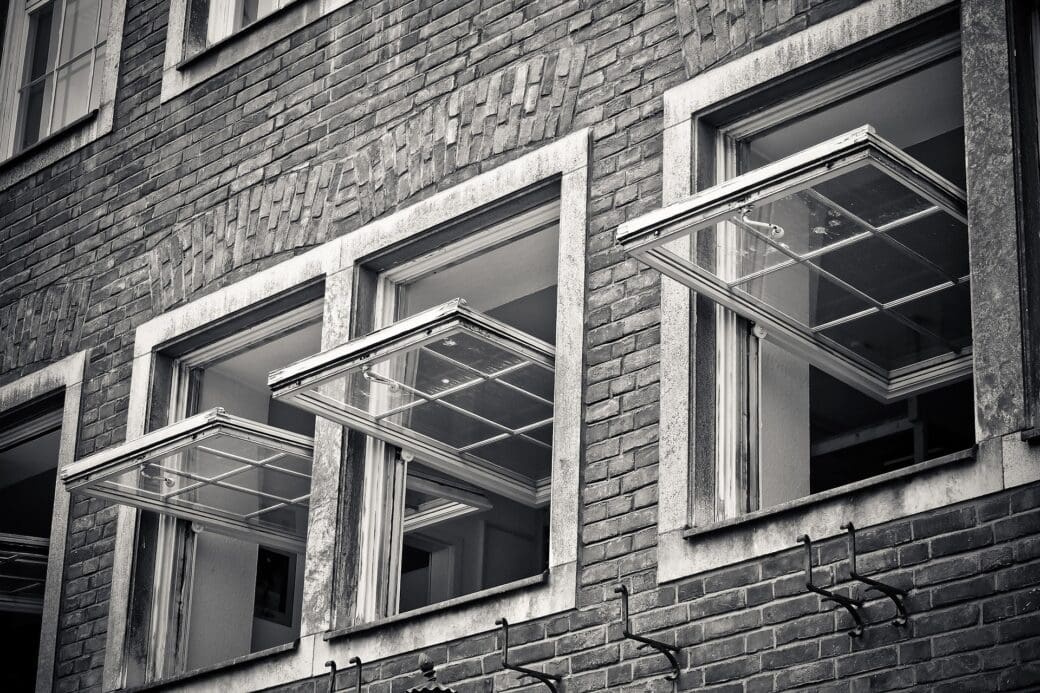
A: When I worked on the wards in the main District General Hospital and a patient passes away, there are a few things that you do instinctively.
it’s not anything you’re taught to do in the university, it’s nothing that’s written down in any of the books, but the first thing that you do, without fail – ask any nurse – is you open a window.
You could probably ask a nurse why she’s doing it, and she wouldn’t be able to tell you. She’d just be like: “That’s just what you do. It’s always been what you’ve done”.
It harks back to the idea that you’re letting the soul out, and this goes back to when people were living and dying at home. You wouldn’t go into a hospital to die. Most people died in their own bedrooms, which is actually quite nice when you think about it.
But they were deeply superstitious back then – in the early 16th – 17th century – and they definitely believed in the concept of the soul, so by opening the window you’d be letting the soul free.
Otherwise, there’s the risk of the soul getting trapped in the house and that person won’t move on. They’ll get stuck in purgatory and won’t move on to heaven or, if they were a bit of a b******, to hell.
Q: Why were birds, bees and animals sometimes seen as signs that death was nearby?
A: The idea of the ‘corpse bird’ is probably one of the ones you come across most often.
You see a lot of blackbirds, crows and carrion birds in and around graveyards. They have traditionally been associated with corpses and death. Robins also appear in death folklore. In mining communities, for example, a robin seen around a pithead might later be remembered as a sign if there was a mining disaster.
But I think a lot of this is about people trying to give meaning to death afterwards.
If there was a disaster, someone might say, “I saw a bird this morning.” But that bird was probably there every day. You only really notice it, or give it meaning, when something terrible happens.
Bees are a really interesting one because they were not usually seen as a warning that death was coming. They were more connected to what happened after a death.
There was this idea that, if somebody passed away, one of the first things you should do was go and tell the bees. If you had a hive on your farm or near your house, you would tell them that person had died.
If you did not tell the bees, people believed they might become upset. They might stop making honey, leave the hive, or fly away altogether. So bees were not necessarily a harbinger of death. They were part of the household’s response to death.
Q: Why did people cover mirrors or stop clocks after someone died?
A: Again, this goes back to the idea that people were very superstitious about the soul.
With mirrors, there are two main ideas. One is that the soul might get stuck in the mirror. The other is that, after somebody dies, if you looked into a mirror, you might see the face of the next person to die.
So it becomes this slightly dangerous object. It is not just a reflection anymore. It is something that might trap the soul, or reveal who is going to die next.
Stopping the clock has a similar logic. You stop the clock so the person does not get trapped in time. It marks the moment of death, but it also comes from the fear that the soul could become stuck in that moment.
It is really the idea of purgatory. That fear seeps into all sorts of otherwise ordinary household objects. You open the window, cover the mirror and stop the clock because you are trying to make sure the soul is free.
Q: Are there any British death customs that have been unfairly dismissed as creepy, when they were actually quite tender?
A: I think sin-eating is probably the main one.
Sin-eating was the idea that you could absorb someone’s sins by passing bread and ale over the body, then eating and drinking them. By consuming that bread and ale, you were consuming that person’s sins and allowing them to go to heaven sin-free.
This was especially important if someone had died suddenly and had not had the chance to confess before death. If there was not a clergyman present, or if the person had not been able to make their confession, the sin-eater could take on that burden for them.
I live in Shropshire, and we have one of the last recorded sin-eaters nearby. Richard Munslow’s grave is in Ratlinghope churchyard.
In some cases, sin-eating was almost a family business. One person would make a living by consuming the sins of others. Then, before he died, his eldest son might pass the bread and ale over his body and absorb all of his sins, as well as the sins of everyone he had taken on before.
It sounds creepy now, but I do think there is something quite tender about it. It was a way of trying to help someone move on. The sin-eater was doing something for the community, even if people were also wary of them.
They were needed, but not necessarily welcomed socially. People might accept what they did, but they probably would not want to invite them round for dinner.
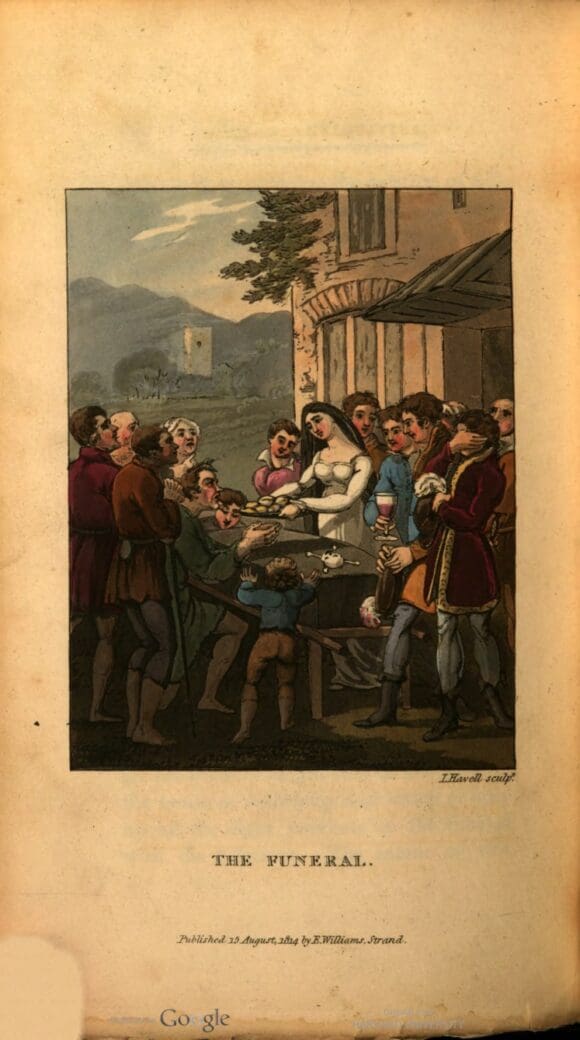
If you want to know more about Sin-eating, read our article on it!
Q: Is there a death ritual you think people should understand more kindly today?
A: I think the idea of dying at home, and keeping the body at home afterwards, deserves to be understood more kindly.
I feel quite strongly about that as a nurse. I do not think it is fair that people often have to die on a hospital ward, surrounded by six other people they do not know, with the television on in the background. It is not a nice place to die.
If you can get somebody home, you do. You get palliative care involved and you try to make that happen. But I think, as a nation, we need to make it easier for people to die at home if that is what they want.
Now, I think a lot of people would be really uncomfortable with that. I probably would be too. I would not feel comfortable with a dead body in my living room, regardless of whose body it was.
But 100 years ago, that was normal. It was seen as a kind way of saying goodbye. It allowed people to come to the house, be near the person, and have time with them before the funeral.
So maybe that is something we could look at more kindly. Not necessarily because everyone should do it now, but because it reminds us that death was once much closer to home. It was not hidden away in the same way. People had rituals that allowed them to sit with it, rather than rush it out of sight.
Q: What do these old customs tell us about the way people understood death?
A: I think they show that people were trying to make sense of something frightening.
A lot of these customs were about the soul. People worried about whether it could leave, whether it could get trapped, whether the person could move on properly. But they were also about care.
Opening a window, covering a mirror, stopping a clock, telling the bees, or keeping someone at home after death might sound strange now. But these were ways of doing something when death happened. They gave people a role, a ritual and a sense that they were helping.
That is what I think is important. These customs were not only about fear. They were also about love, community and making sure the dead were not left behind.
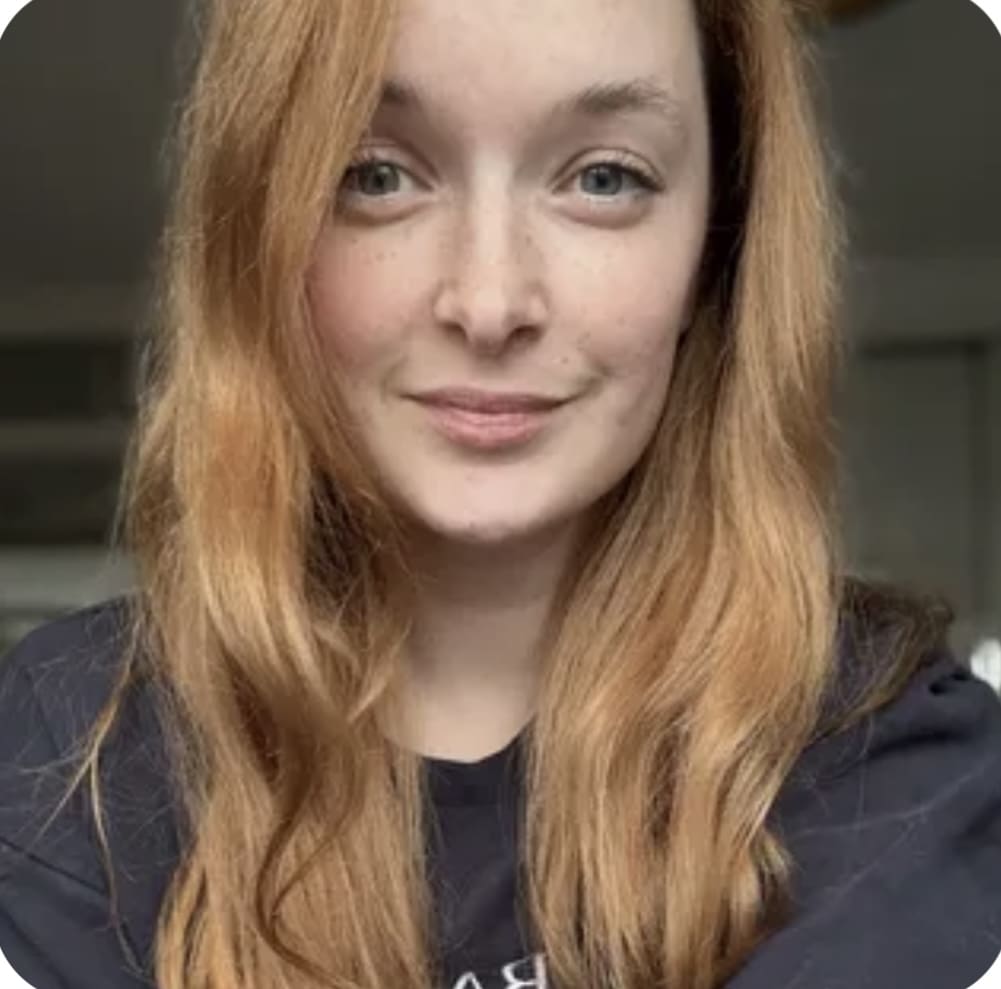
Meet the expert: Amelia Roberts
Amelia Roberts is a British culture expert, qualified nurse and content creator behind @BritishFolklore, where she shares folklore, superstition and history with more than 20,000 followers. Based in Shropshire, her work explores the beliefs and rituals rooted in the British Isles, from medieval medicine and old death customs to surnames, castles and historic places.