Summit fever can turn the top of the world into a deadly obsession. In the death zone, cost, pride and exhaustion can make turning back feel harder than climbing on.
The summit means the top: the highest point on earth, 8,848.86 metres above sea level. For climbers, it can be the point imagined for years: the photograph, the proof, the answer to the training, the cold, the waiting, and the time away from home.
Jake Meyer, who became the youngest Briton to climb Everest in 2005, says summit fever is ‘a hyperfocus on reaching the top of the mountain, to the disregard of all other risks or variables’.
A 2026 study using Himalayan Database records found that mortality above base camp fell from 1.4% between 1921 and 2006 to 0.7% between 2007 and 2024. Better forecasting, fixed ropes, supplementary oxygen, and more organised expedition support have altered the mountain.
Still, most climbers who died between 2007 and 2024 died on summit day. Earlier BMJ research into Everest deaths found that, of 94 mountaineers who died after climbing above 8,000 metres between 1921 and 2006, 53 died while descending from the summit.
Above 8,000 metres, in the region mountaineers call the death zone, the body is being pushed beyond what it can sustain for long. Far beyond its limits. Sleep is poor. Appetite fades. Cold slows movement. Oxygen is low enough to affect thought.
Jake says high-altitude climbing can feel ‘like being drunk’: judgment clouds, cause and effect disappear, and one bad decision can become fatal.
When judgement starts to fail
At sea level, poor judgement can become a story. On Everest, it can become a body.
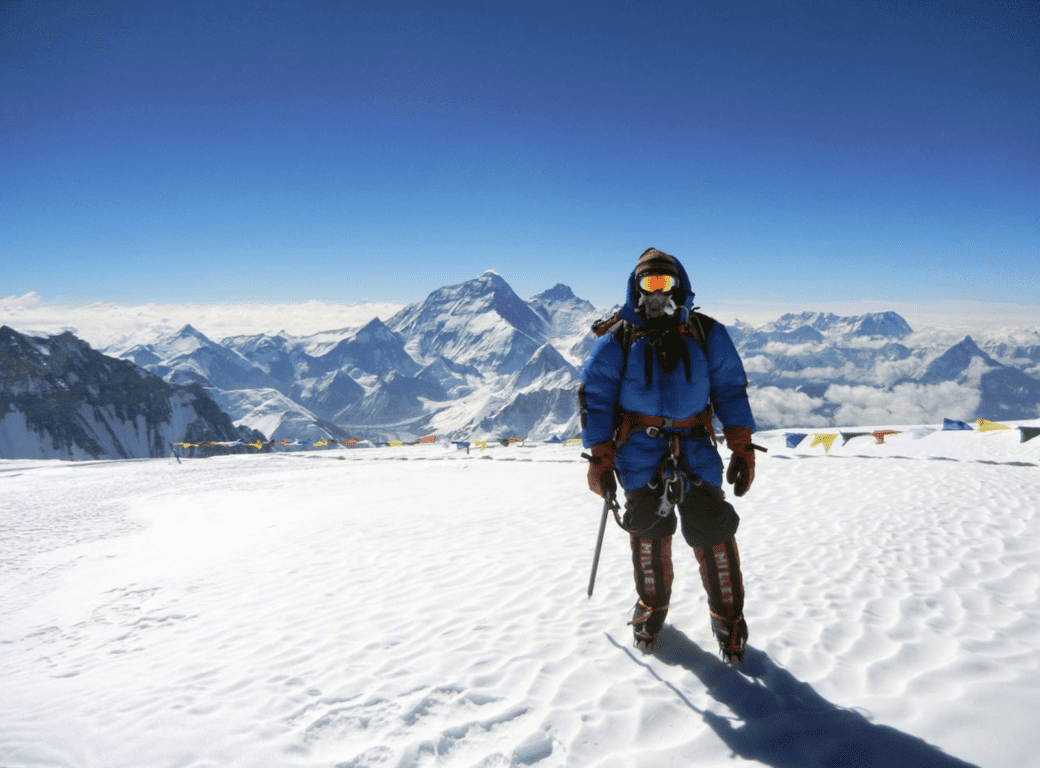
Holly Budge, an adventurer and Everest summiteer who became the first woman to skydive Everest, says: “I don’t think people are drawn to risk itself. They’re drawn to what sits on the other side of it. Risk is where growth lives. It’s where you find out who you are when there’s no certainty.”
On Everest, what sits on the other side can be achievement, grief, recovery, charity, ego or proof. The summit becomes more than a place. It becomes the answer to everything the climber has invested in getting there.
By the time a climber reaches Everest, the summit may already have cost years of preparation and tens of thousands of pounds. Nepal raised the Everest climbing permit fee from $11,000 to $15,000 from September 2025, but that is only one part of the expense
Commercial Everest expeditions can cost far more once guiding, equipment, flights, insurance and support are included.
There is also the emotional cost. A climber may have told family, friends, sponsors, and donors that this is what they have come to do. They may have spent years shaping their life around the mountain. Turning back can feel, wrongly, like losing all of it.
“You’ve invested everything. Time, money, energy, pride. You’ve told people you’re going to do it. I’ve felt that pull myself, that voice saying, ‘You’ve come this far.’ But that’s exactly where people get caught. That’s summit fever. It’s not a lack of awareness, it’s an emotional override of judgement.”
Holly Budge
The moment people stop listening
The warning signs are not always dramatic. The weather shifts. The group slows. Energy drops. Oxygen runs lower than planned. A turnaround time passes. A climber tells themselves the summit is close, the descent will be quicker, the body will manage.
Holly says: “I’ve seen it on expeditions, when people become so focused on the summit that they ignore what’s happening around them: weather shifting, energy dropping, small warning signs. A calculated risk is ever-changing. You’re constantly reassessing. Pushing too far is when the goal becomes fixed, and your judgement becomes rigid.”
As you ascend, less oxygen in your blood means less oxygen in your brain. Much like any other organ, the brain declines in function when deprived of oxygen. Studies show that cognitive performance, mood, and central nervous system functioning (for example, coordination) all begin to diminish at 15,000 feet.
“Stepping over exposed crevasses and dead bodies, managing oxygen, things that would feel unthinkable at sea level, become routine. That’s where it gets dangerous. Because the more familiar a risk feels, the easier it is to underestimate it.”
Holly Budge
The real summit
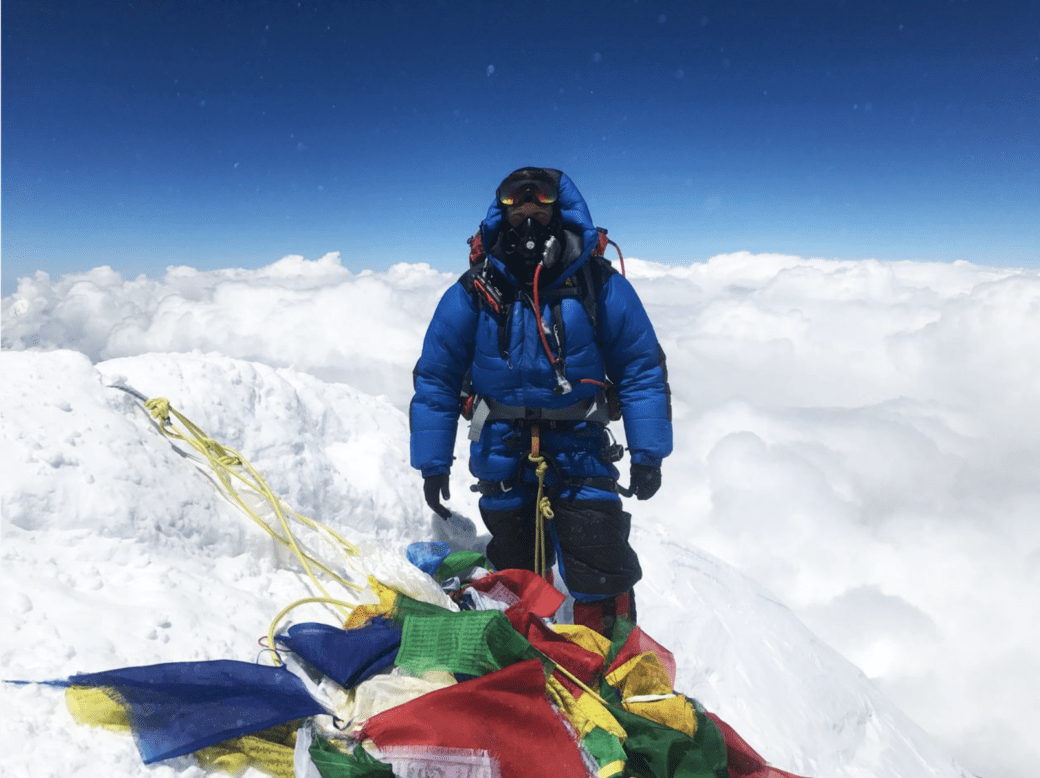
At the top of Everest, there is little time to stand still. There may be a photograph, a flag, a few minutes in the highest air on earth.
Then the harder question begins: what is left for the way down?
“Every dead body on Everest was once a highly motivated individual. Motivation is important, but without humility and patience, it can be more dangerous than helpful.”
Jake Meyer
From the outside, motivation looks clean and admirable. High on the mountain, it can feel like discipline: another step after years of training, money, fear and sacrifice. But Everest does not recognise effort. It measures only what remains: oxygen, weather, daylight, strength, judgement.
The summit photograph catches the cleanest part of the story. It shows arrival, not survival. It does not show the descent, when the body is weaker, the mind slower, and every decision carries more weight.
But the mountain is not conquered at the summit.
It is survived on the way down.
Meet the experts:
Jake Meyer
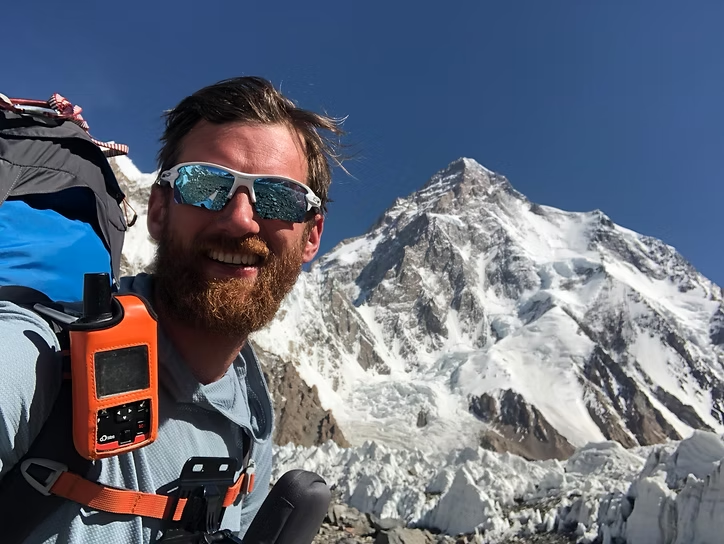
Jake Meyer is a British mountaineer, expedition leader and leadership consultant. In 2005, aged 21, he became the youngest Briton to climb Everest and the youngest man in the world to complete the Seven Summits, Bass variant. He later summited K2 in 2018, after years of attempts.

Holly Budge
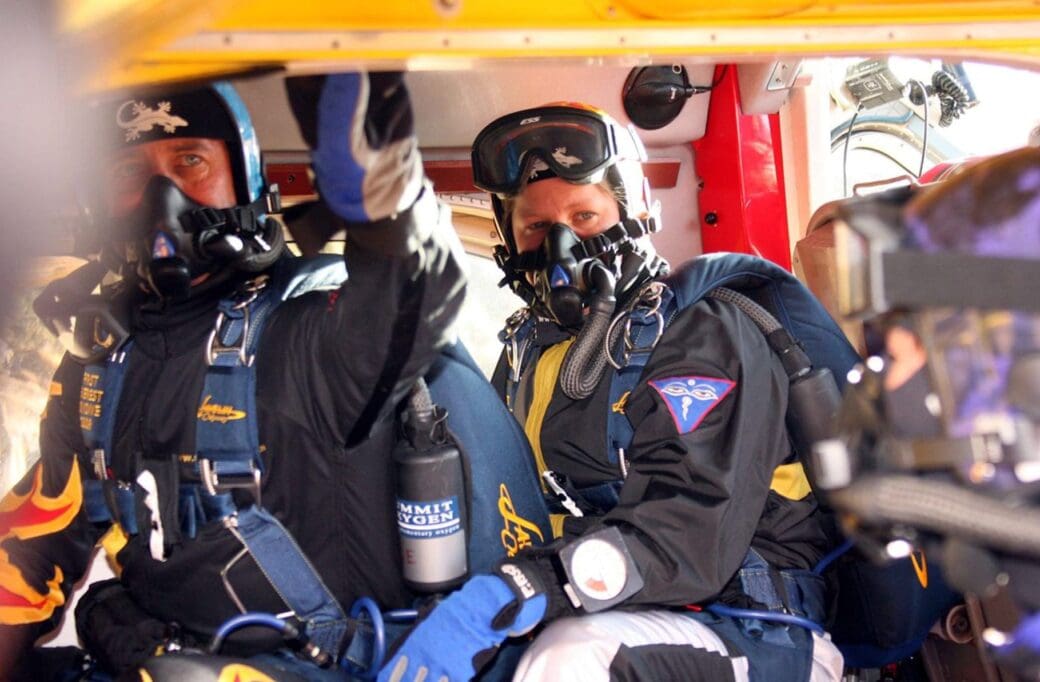
Holly Budge is an adventurer, speaker and conservationist. In 2008, she became the first woman to skydive Everest, jumping from 29,500ft and landing at 12,500ft. She later returned to Everest on foot, climbing the mountain from the north side in 2017. Holly is also the founder of How Many Elephants and World Female Ranger Week.