Young creatives, grieving families and HIV activists gather over cappuccinos. Born from AIDS-era loss, these cafés have transformed spaces of grief into sites of connection.
Cemetery cafés are tucked into some of the Berlin’s quietest green corners, where coffee tables sit within sight of headstones and regulars treat the burial grounds as part of neighbourhood life.
They are not just places for mourners – although they often serve that purpose after funerals. Many have become pockets of calm in busy districts, drawing people in for cake, coffee, conversation and the rare feeling of being somewhere the city has not quite swallowed.
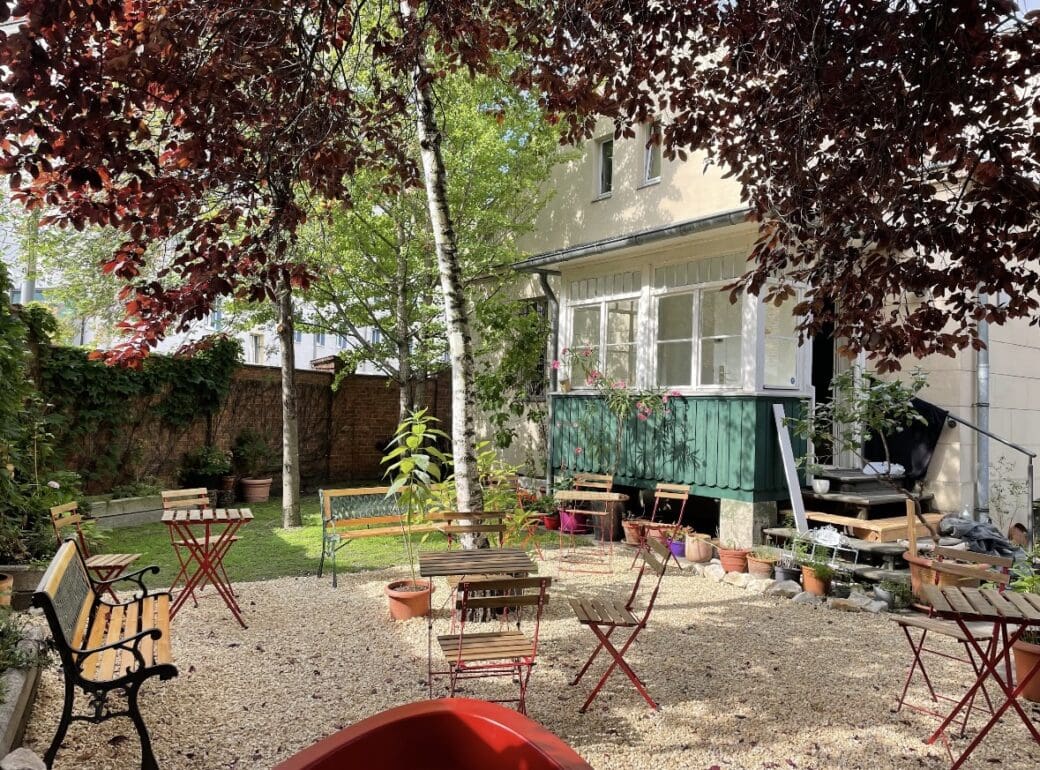
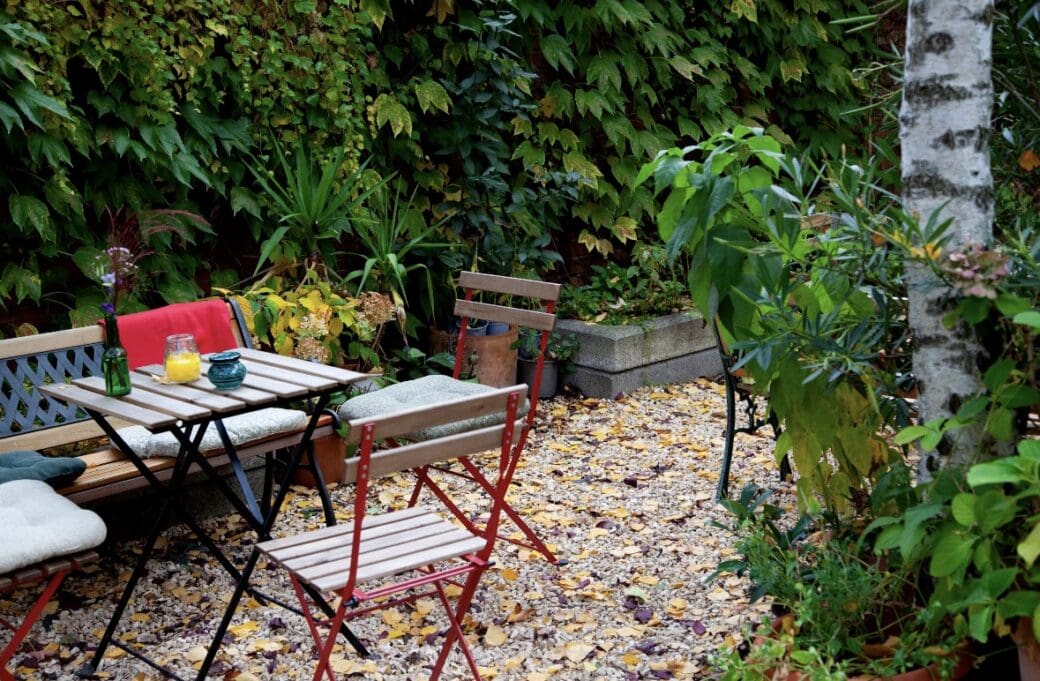
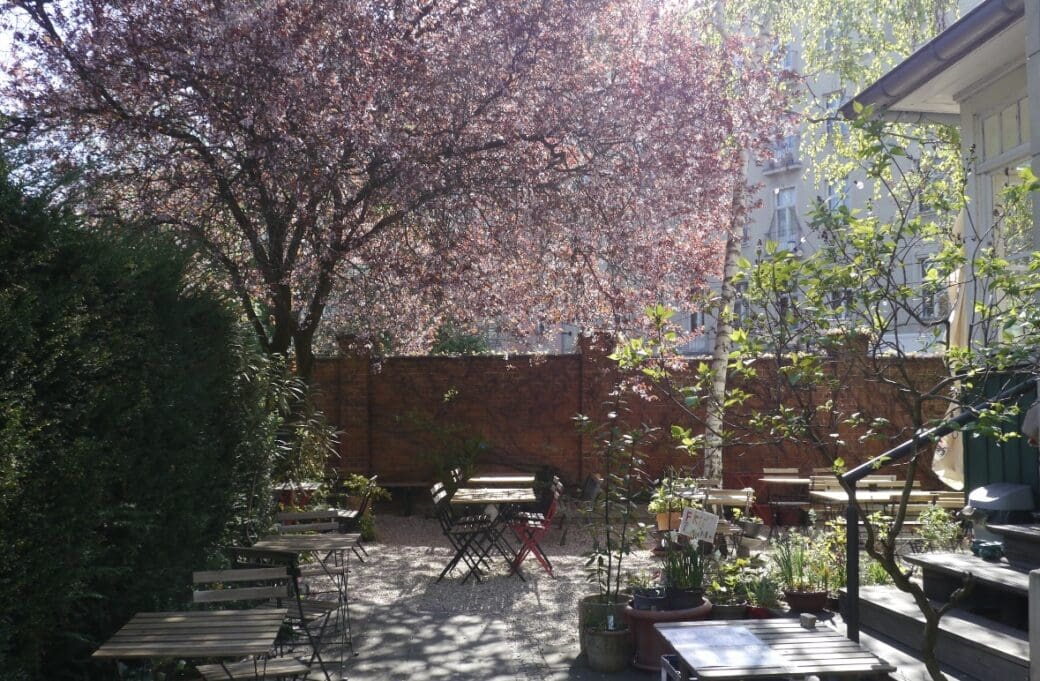
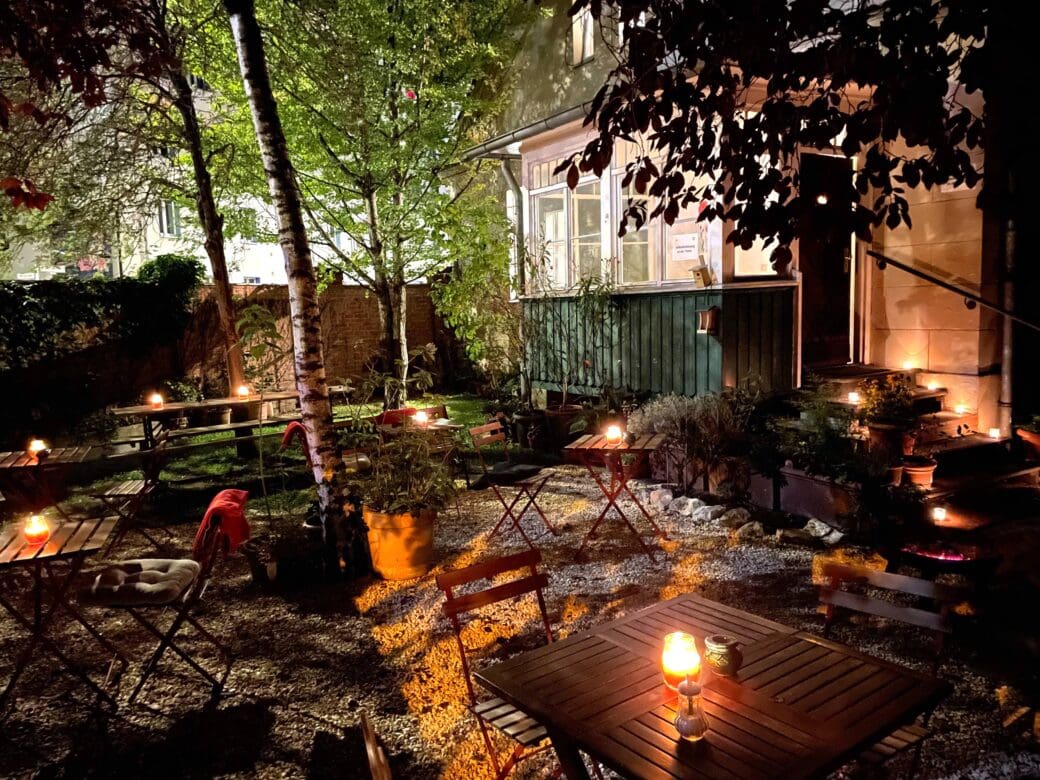
At Café Lisbeth in Berlin-Mitte, death is close enough to see from the garden.
The café occupies the former gravedigger’s house inside Sophien Cemetery, a small burial ground where families now come for cake after school, friends meet for aperitivo, and mourners gather after funerals.
Alexis Hyman Wolff, who helped create Lisbeth with manager Chiara de Martin Topranin, says Berlin’s cemetery cafés began with a simple need: somewhere to gather after a funeral, when leaving the cemetery gates can feel too abrupt.
But Lisbeth is not only for mourners.
“There are many people who enjoy the nature and the green and the beauty and the quiet of the cemetery,” she says.
Berlin now has about a dozen cemetery cafés, helped by the city’s unusual geography of death: many of its burial grounds are small, central and woven into neighbourhood streets.
At Lisbeth, that closeness is the point: the dead are not hidden away, but part of the view.
Alexis, an artist and curator with a background in museums, built the programme around death, mourning and transience. Early exhibitions explored ancient Egyptian soul houses, the sky as science and belief, and the rituals people use to imagine what comes after death.
“People would come in and be like, ‘Wow, what is it?’” she says.
It still resists easy definition. Some visitors come for the cultural programme. Some come for grief support. Others come because the garden is peaceful and the food is good.
“When you work around death, you keep coming back to the value of life. Its intensity, its beauty, its transience, its preciousness.”
Alexis Hyman Wolff
One evening, Alexis went upstairs to her office and found two teenage girls getting ready to go out.
“They were just kind of making the space their own,” she says. “I thought it was awesome.”
At Lisbeth, the dead are close by, but the living are not asked to lower their voices. Children eat cake, friends drink coffee, teenagers pass through and mourners sit at nearby tables.
Alongside the café, Alexis has built a soul care programme, with free one-to-one conversations twice a month, a monthly mourning café and seasonal rituals. The work is not only for people grieving a death. It also makes room for relationships, ageing, loneliness, estrangement and the fear of watching someone loved move closer to death.
“I really think that it is a lack of places to come together and talk about it,” she says.
That absence became personal when her mother died last year.
“I felt like having been engaged with Lisbeth and the topic of end of life helped me so much to support my family, to support my mom, to make decisions, to just be able to talk about it and not be afraid to talk to her about it,” she says. “So that she could have a chance to articulate actually what she wanted and we were able to make it possible.”
The work did not make death easy. It made it speakable.
Her mother’s death also changed the way Alexis thought about the emotional shape of grief. She does not see the café and the cemetery as opposites.
“The cemetery can also get explored with curiosity,” she says. “It’s a place of great peace.”
She is careful not to describe Lisbeth as only a project space or an art venue.
“It’s really a spiritual space,” she says.
She does not expect every visitor to arrive ready to think about death. But the setting can still shift something.
“I think my wish is that there’s a moment of porosity possible, that somehow the proximity to the tombs, to the topic of death, can just allow a softness to happen.”
Alexis Hyman Wolff
Although Berlin’s cemetery cafés are now often seen as quiet urban refuges, their modern history is tied to AIDS-era mourning, queer community and changing burial practices.
The movement is most often traced back to Bernd Boßmann, the gay activist, actor and performer.
For Boßmann, the idea began with the graves of friends who had died during the AIDS crisis. In the 1980s, as HIV was still surrounded by fear, stigma and prejudice, he watched many young friends die. A number of them were buried at Old St Matthäus.
The cemetery was beautiful, but it did not offer much to the people who kept returning. Boßmann says it was: “a fine place for the dead” but “awful for the living”. There was nowhere comfortable to sit after visiting a grave, nowhere to buy flowers and nowhere to pause before stepping back into the city.
A small abandoned building near the gates became the answer. From it, Finovo was created.
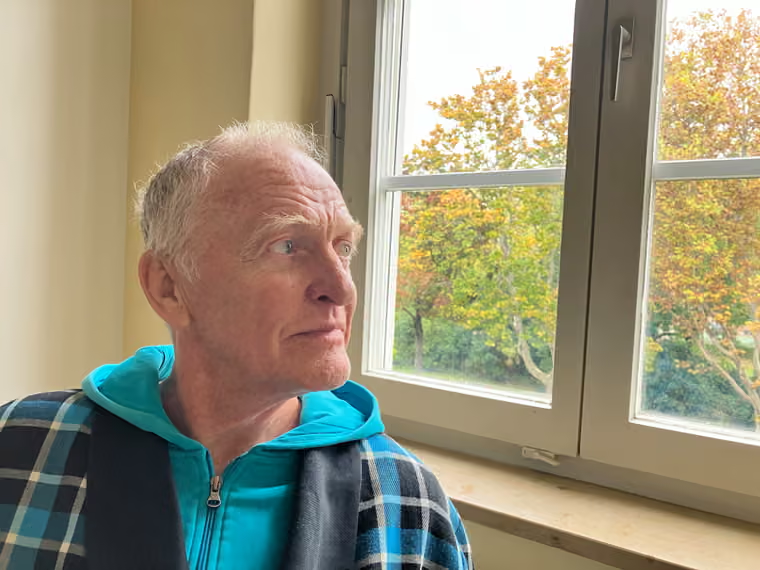
Bernd Boßmann opened the first cemetery cafe in Germany in 2006 after finding nowhere pleasant to sit down or buy flowers where his friends were buried.
Nearly two decades later, Boßmann has passed on the day-to-day running of the café and its Red Poppy florist shop, but the idea has spread across Berlin. Each cemetery café now has its own character: some are quiet neighbourhood refuges, some are cultural venues, and some remain places where mourners gather after funerals.
As new generations of Germans opt increasingly for cremation over burials, cemeteries have encountered financial problems in maintaining their lush grounds with dwindling demand. Desolation made many a target for vandalism and crime.
Meanwhile, the cost of commercial real estate has soared, making the repurposing of disused cemetery buildings an appealing prospect.
The original question remains the same: what do the living need after death has entered their lives?
At Lisbeth, the answer is not grand. It is a table in the garden, a conversation that might not happen elsewhere, and permission to stay near death without being alone.