At Horton Cemetery, Europe’s largest asylum burial ground, around 9,000 people were buried by the state without names or markers. Decades later, families and campaigners are fighting for access to the privately owned land where they lie, and to give them back their names.
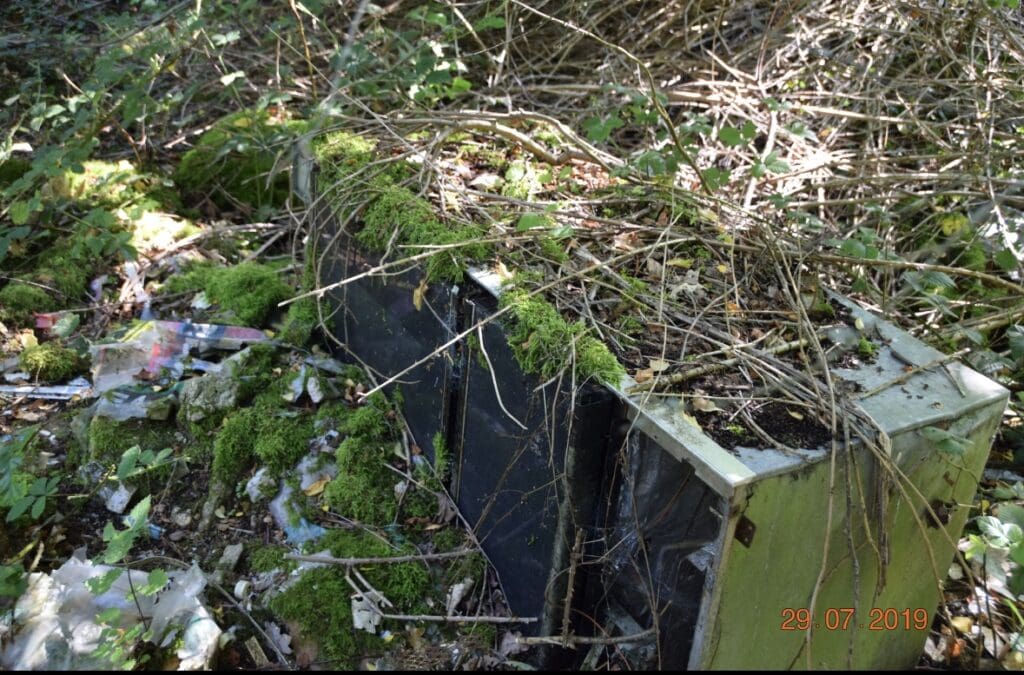
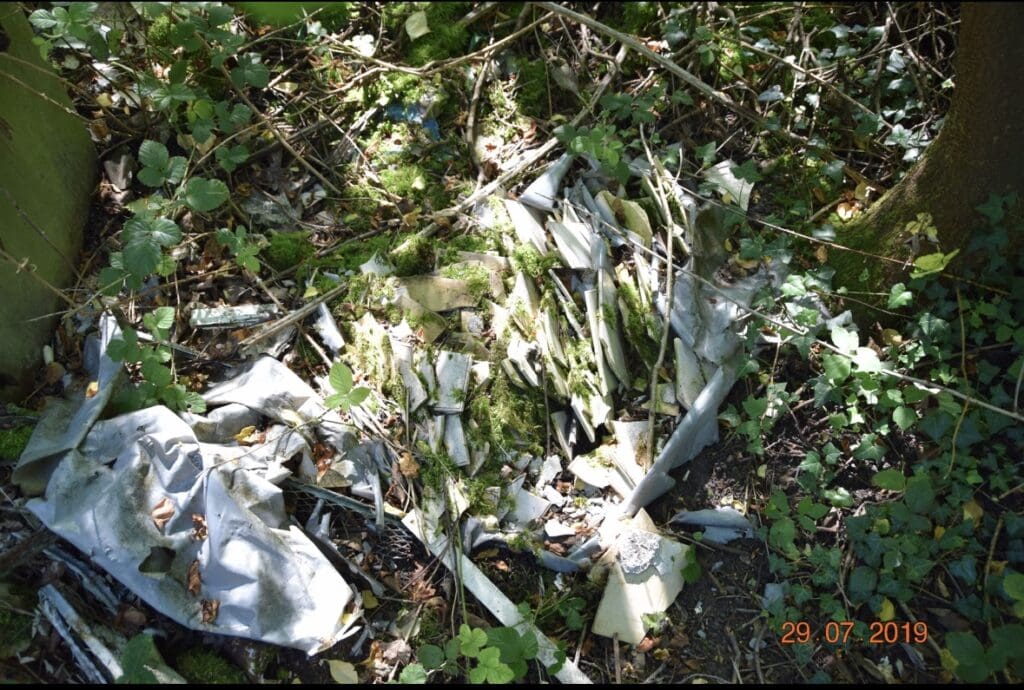
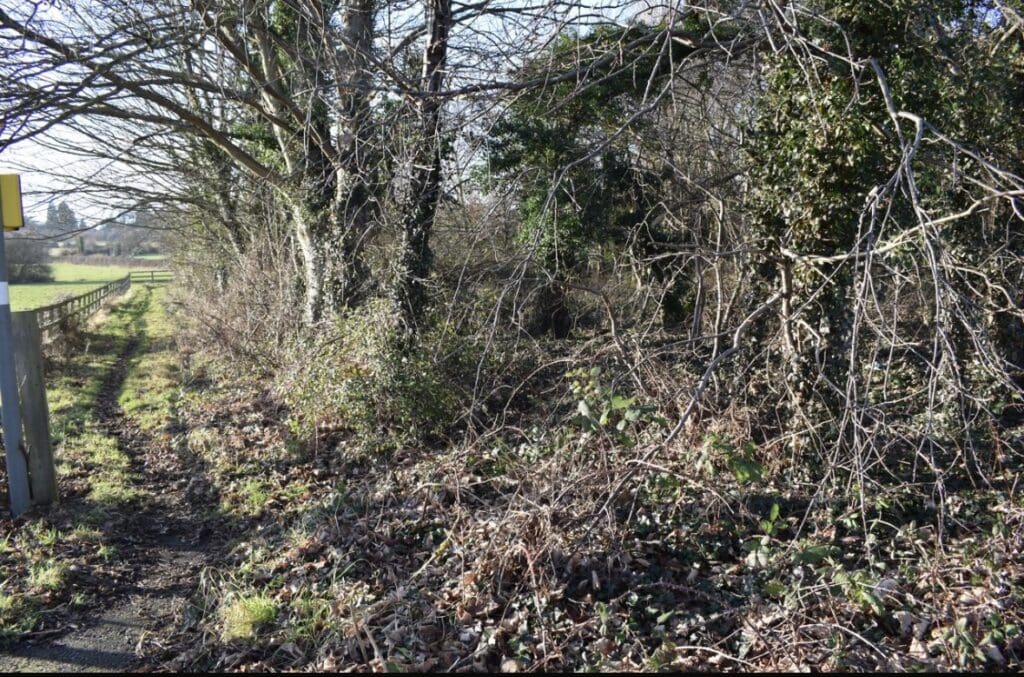
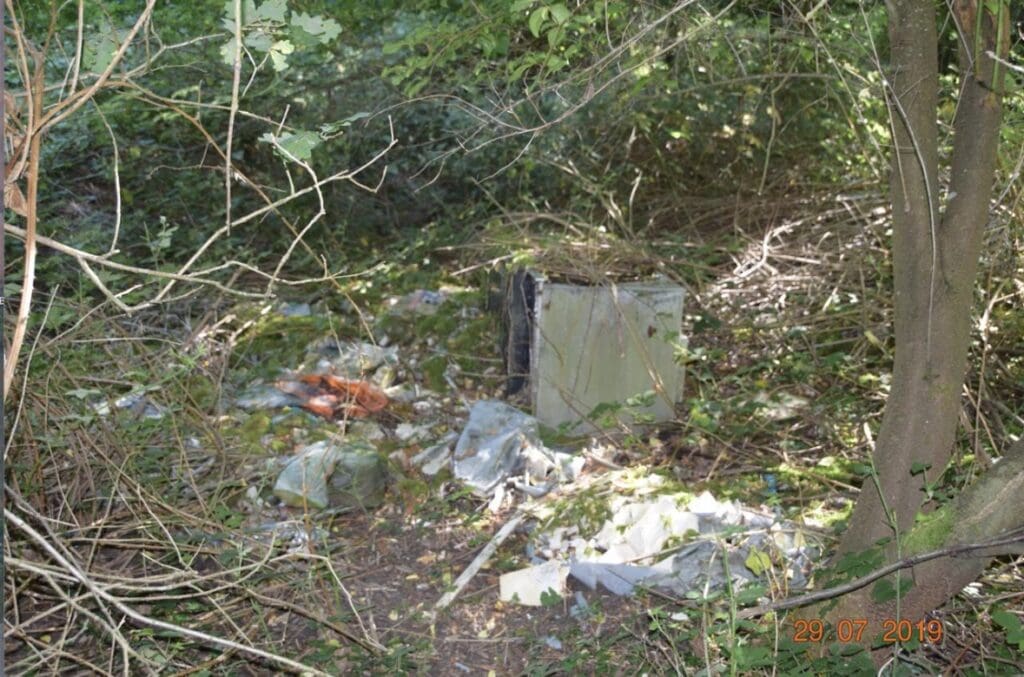
Behind a locked fence in Surrey, a stretch of land sits beside a busy B-road. From the pavement, it looks like a neglected strip of woodland: brambles pressed tight together, nettles climbing the edges, rubbish snagged in the undergrowth.
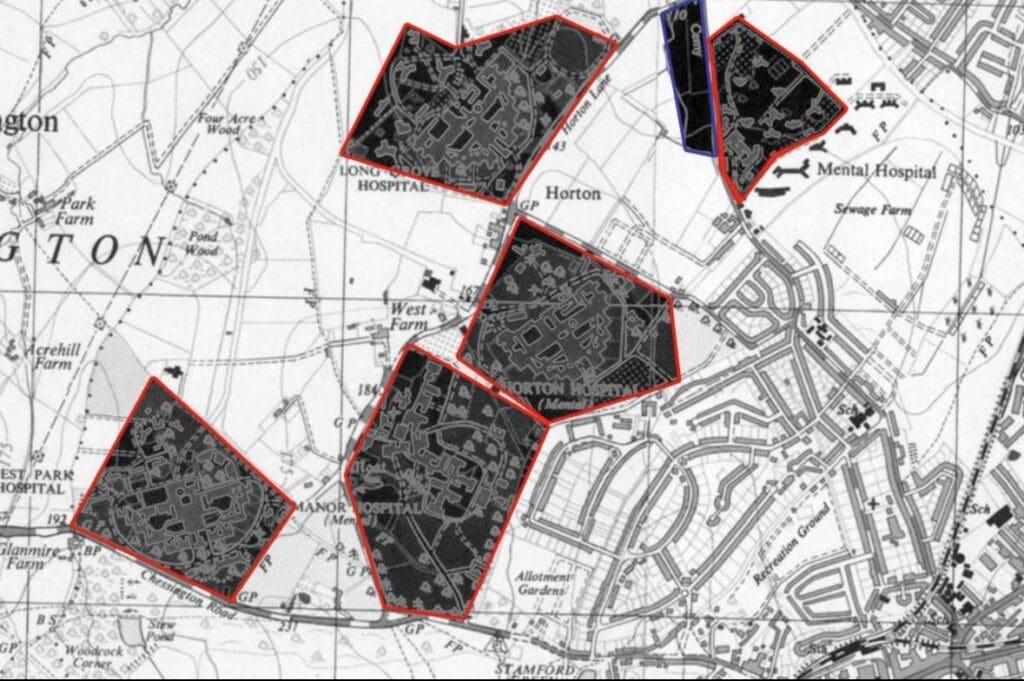
This is Horton Cemetery, Europe’s largest asylum burial ground. It was created to serve the psychiatric hospitals of the Epsom cluster, where thousands of people who died in state care were buried without headstones, public markers or proper recognition.
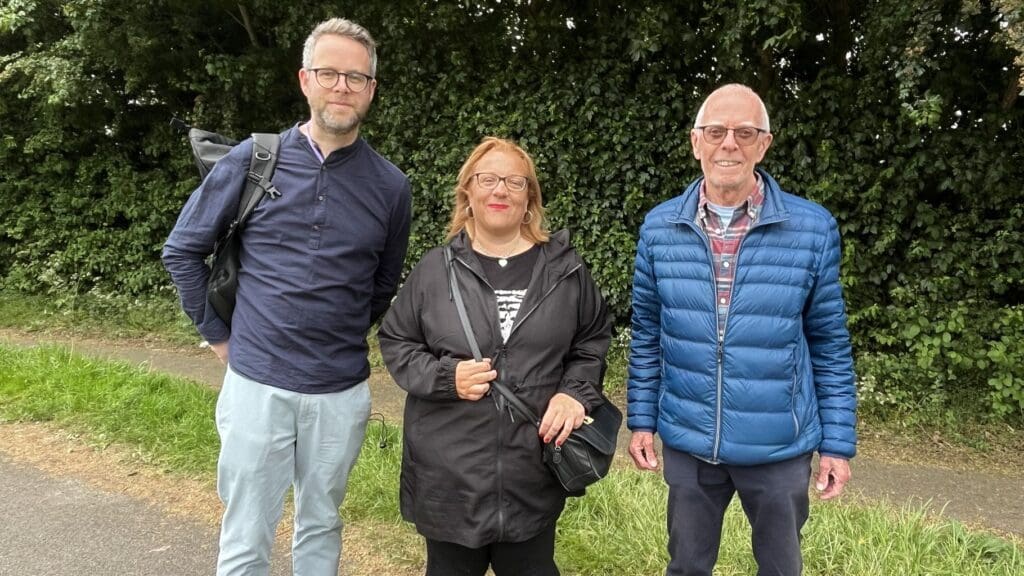
Francesca Gyau stood at the boundary, stopped by a fence marked “Private”. Somewhere beyond it, beneath tangled vegetation and discarded debris, lies her great-grandmother, Hilda Nicholls.
“When she died, she was buried unmarked, far from where she lived. She was hidden away in life and she was hidden away again in death,” Francesca says.
When Francesca visited the site, traffic cones lay half-buried in leaves. Plastic bags and broken fragments were caught in the brambles. The ground was uneven beneath her feet.
“When I went there, I realised I was standing on human bones. You think you are standing on stones, but you are standing on people.”
Francesca Gyau
Francesca discovered Hilda’s records during lockdown, while researching her family history online. Until then, Hilda’s name had not been spoken. There were no stories, no photographs, no belongings passed down.
Medical records show Hilda was taken into institutional care at the age of 34. She later died from a brain haemorrhage on 10 October 1928.
“Nothing of her was allowed to remain. They took her life, and then they took her name,” Francesca says.
Hilda Nicholls was not an exception.
She was part of a system
Recorded, Classified, Erased
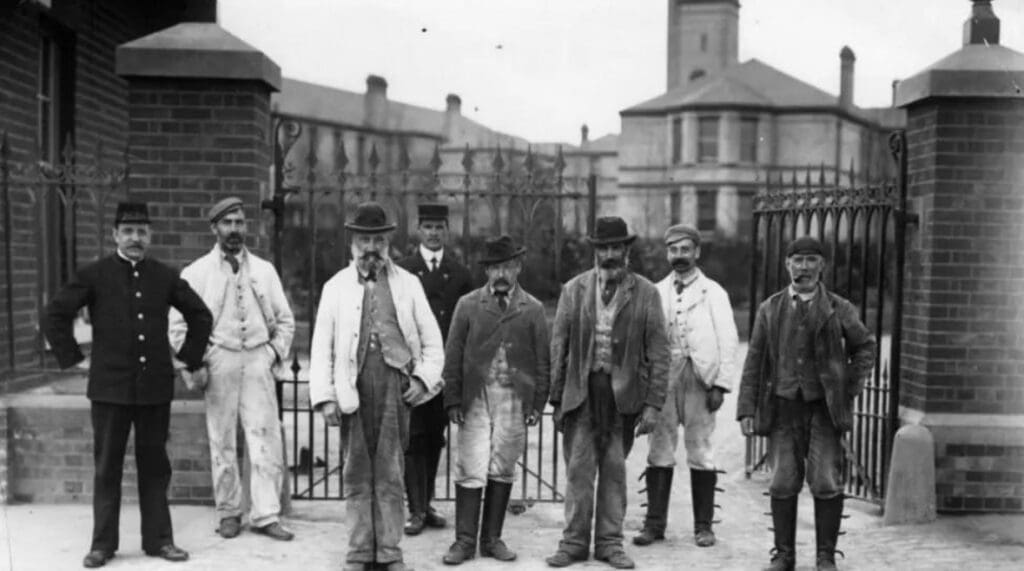
The Epsom hospitals formed the largest concentrations of psychiatric care in Europe.
According to Alana Harris, Professor of British History at King’s College London and lead academic researcher on Horton Cemetery, those buried include people diagnosed with mental illness, former soldiers suffering what would now be recognised as psychological trauma, and children born into the asylum system who never left it.
In life, Professor Harris explains, they were labelled “pauper lunatics”, a legal classification that stripped individuals of family status, property rights, and public identity. Graves were stacked, with more than ten bodies layered one above another.
The hospitals were built by the London County Council to alleviate pressure on London’s existing lunatic asylums, which had by this time become overcrowded. The County Council continued to manage them until they were nationalised, becoming part of the National Health Service in 1948.
At Horton, that erasure can be counted.
Volunteer researchers from the Friends of Horton Cemetery estimate around 9,000 people are buried within its boundaries. Between 50 and 70 percent of families never knew where their relatives were laid to rest.
The figures had to be reconstructed from burial registers and hospital death records because no authority ever recorded the cemetery as what it was: a mass burial site.
“Horton Cemetery is a historic crime scene, and forgetting it has normalised the violence, neglect, and injustice that allowed this to happen in the first place.”
Professor Alana Harris
Sold and Abandoned
For years, forgetting held.
Horton remained unmarked, unmanaged and largely invisible until the ground itself began to give the secret away.
Kevin McDonnell, who led the volunteer research into the site, says the scale of Horton became impossible to ignore when children playing nearby began finding human bones.
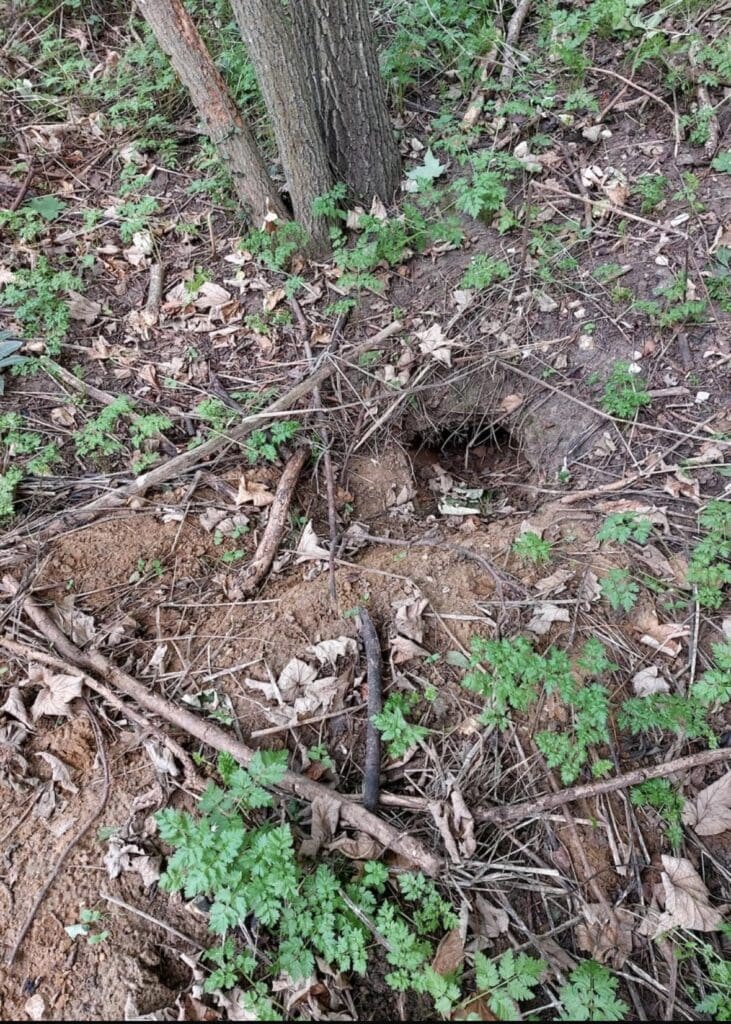
“At first, the police treated it as a possible murder scene. It turned out foxes and badgers had been digging into the soil and bringing human bones to the surface, fragments of skull that once belonged to someone. That only happens when a cemetery has been abandoned,” He says.
Archival research later showed how abandonment happened.
According to documents Kevin uncovered, in 1983 the NHS sold the 4.5-acre burial ground to a private developer for £300.
Kevin says the NHS estate guidance treated land attached to closing psychiatric hospitals as surplus.
Long-stay institutional care was dismantled and responsibility was shifted into the community.
On paper, Horton was redundant.
In reality, it held the remains of around 9,000 people.
For those who have spent years documenting the site, that silence is not incidental.
Lionel Blackman, volunteer and researcher for Friends of Horton Cemetery says: “It’s a historic wrong to sell a plot containing 9,000 graves. If it were your grandmother, your mother, your son or your daughter, and the place they were buried was sold, and neglected, how would you feel?”
Lionel also sees a bridge in time, which makes the case of Horton cemetery relevant to 21st Century Britain.
“If we can demonstrate respect for those who are buried I think it makes a major contribution to the acceptance, respect and recognition of those living with a mental health condition.”
Lionel Blackman
That argument is now being made beyond Horton.
Journalist and mental health campaigner Mick Coyle has worked with volunteers to raise the issue of abandoned asylum burial grounds, setting up a petition to restore public acknowledgement to the ‘lost souls’ of Horton.
“I’m not saying there should be nine thousand headstones, but at other psychiatric burial sites across the country, there are signs the people buried there matter. I will not stop fighting until this is raised in Parliament and the lives that were erased are finally recognised,” Mick says.
The Risk of Naming the Dead
Acknowledgement, campaigners argue, does not begin with monuments.
It begins with names.
Friends of Horton Cemetery have now identified more than 500 people buried at the site.
Professor Harris describes this as an intergenerational responsibility: restoring names to those who were deliberately denied them.
But naming is not without risk.
For Kate Woodthorpe, co-director of the Centre for Death and Society, releasing names can reopen wounds families have spent generations learning to live around.
“There are families for whom institutionalisation carries enormous stigma. Public naming can force a past into the present that people have chosen, or needed, to leave buried,” she says.
Professor Harris does not dismiss that risk. She rejects the idea that silence is safer. These people, she argues, were not left unnamed by accident. Anonymity was part of the system itself, extending from the ward to the grave.
With no memorial ever built, remembrance has been displaced onto the land.
What should have been marked in stone has been left to weather, to root, and to grow.
Professor Harris says: “I like to think the trees are the memorials, they stand where names should have been, they mark the lives that were never marked at all.”
What she calls for is not spectacle, but responsibility: a space that restores names, to lives that were administered, catalogued and laid aside without ceremony.
“We need a national memorial because this is not just Epsom history, this is British history, and it deserves to be recognised as such,” She adds.
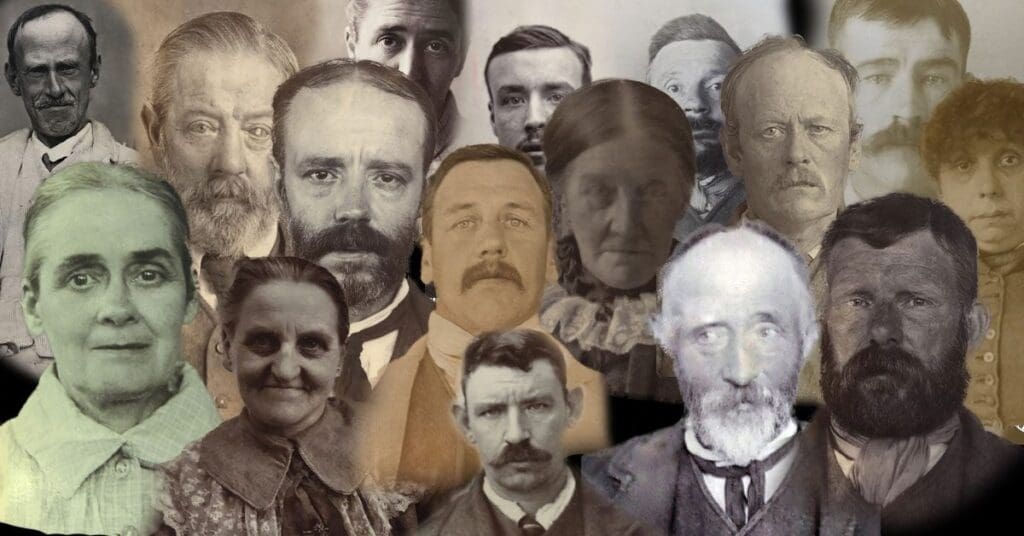
When Names Return to the Living
Recognition is already happening elsewhere, not in public monuments, but quietly, inside families.
Beth Turner’s family lived for generations believing her great-grandmother Alice had been abandoned as a baby, left on a doorstep.
Through family research, another story emerged.
“We found a broken burial record for her mother, Adeline Miriam, at the asylum in Epsom. She was twenty-seven. As far as we’re aware, no one in her family was ever told she’d died,” she says.
Adeline had epilepsy. As professor Harris explains, treatment at the time could mean deliberate infection with malaria, based on the belief that a sustained fever might ‘reset’ the brain.
Adeline died far from her daughter. Isolated. Unnamed. Buried among thousands.
For decades, her absence was complete.
Now, her name is spoken again.
Beth says: “My brother named his daughter Adeline. It’s how we brought her back into the family, not as a record, but as a person.”
For Francesca, private remembrance feels insufficient.
“I have autism and ADHD, so when I look at what happened to Hilda, it feels like I’m staring at a life that could have been taken from me if I’d been born at the wrong time.”
Francesa Gyau
The people buried at Horton are being returned to the living, not through apology or ceremony, but through insistence.
Name by name.
Voice by voice.
Until forgetting no longer holds.