A New York artist talks through his near-death experience, his relationship with the things he creates, and what he thinks of legacies.
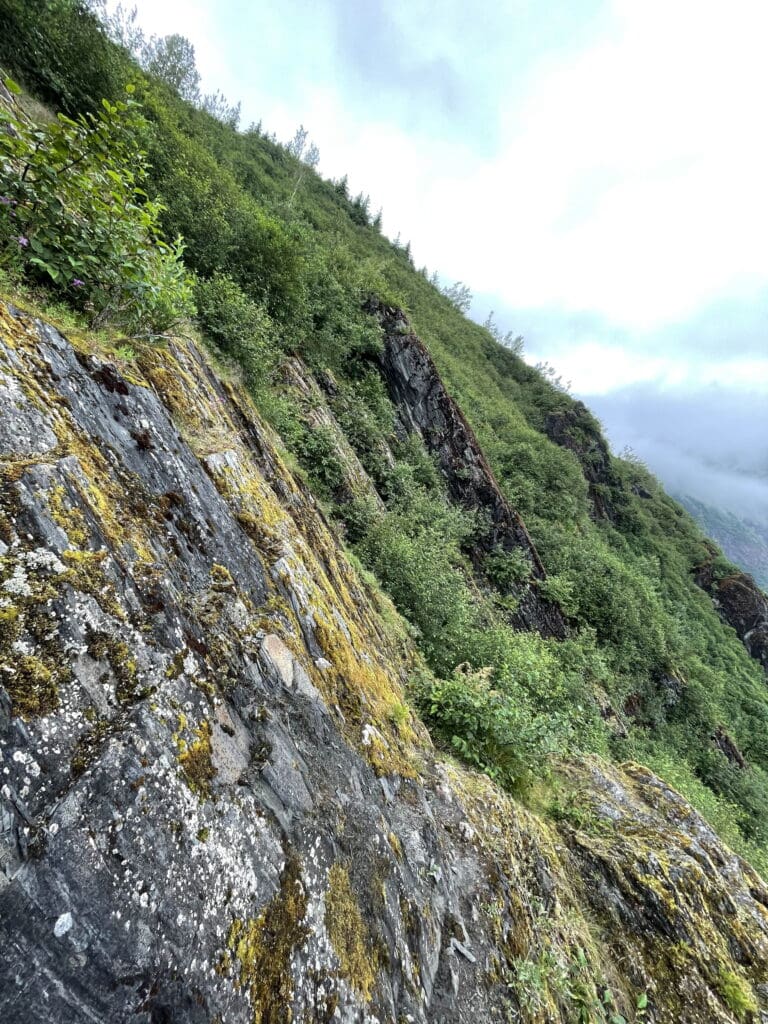
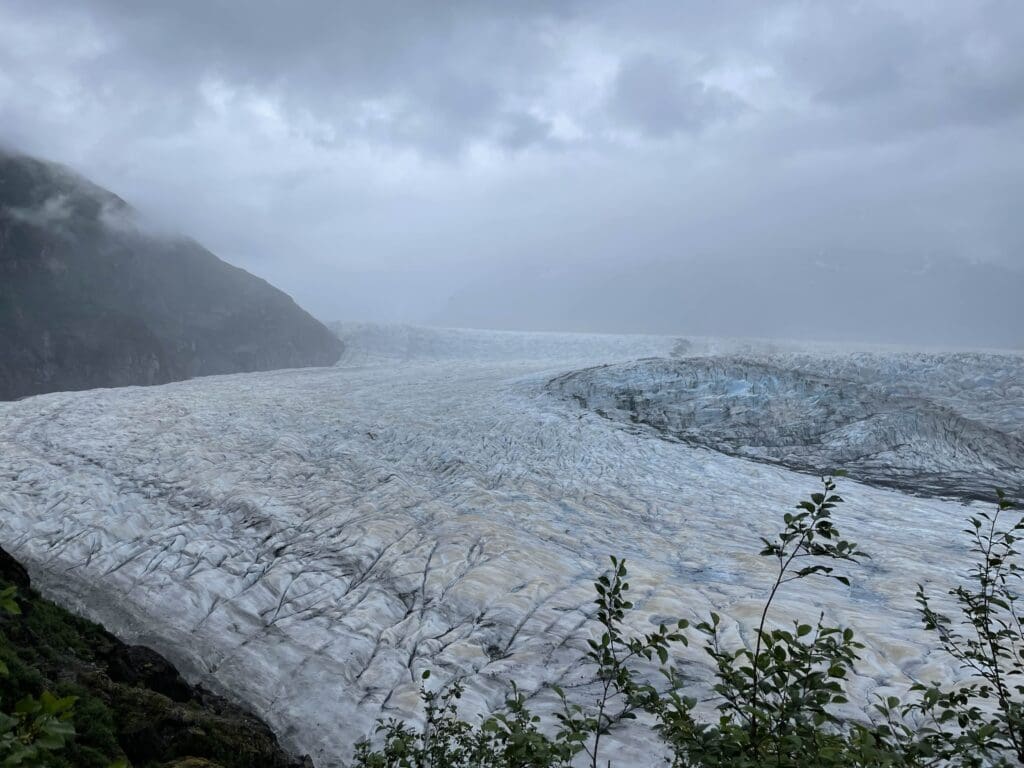
In the middle of the mountains in Alaska, a hiker struggles down a steep slope with nothing but an old rope fence and his bare hands. His goal is to touch a glacier at the bottom of the mountain, determined to do so even as he slips and stumbles along the way. He finally touches solid ice, he’s made it. But when he tries to climb back up, the weathered rocks crumble with erosion and the path is too slippy to venture. He hikes around the side of the mountain trying to find a way back up to safety, to civilization, to anyone who could help him. But there’s no way up. As the harsh Alaskan winds and rain hit him, he reaches for his phone to call 911 only to realise – it only has 2% battery left. It dies before the operator can give him lifesaving information, and he’s left holding onto nothing but ice and the hope that someone will find him. He realises that for the first time in his life, he may die.
That hiker is 23 year old Siwoo Kim, a Sundance Ignite Fellow and filmmaker who thankfully survived to tell the tale. But more than that, he’s dipped his hands into all creative expressions with multiple accolades on his belt. A musician, an animator, an illustrator, and a cinematographer who has shot two Oscar qualifying films.
To him, no adventure is really worth it unless there’s a risk. Whether it’s moving from Singapore to New York City to study filmmaking, or getting stranded on a glacier in the middle of Alaska, the best things in life come with a few hazards.
The glacier wasn’t the first time he danced with thrill seeking, though. “When I was five years old in the US, we were on the beach, there were a bunch of sea lions. And my dad was like, “Don’t touch the sea lions because they’re aggressive.” And I immediately ran off and touched the sea lion,” he says, laughing a little at the distant memory. “A friend and I once climbed up to this rooftop at a construction site, and if we misstepped one foot into the wrong thing, we would die. That’s the kind of danger I liked being in.”
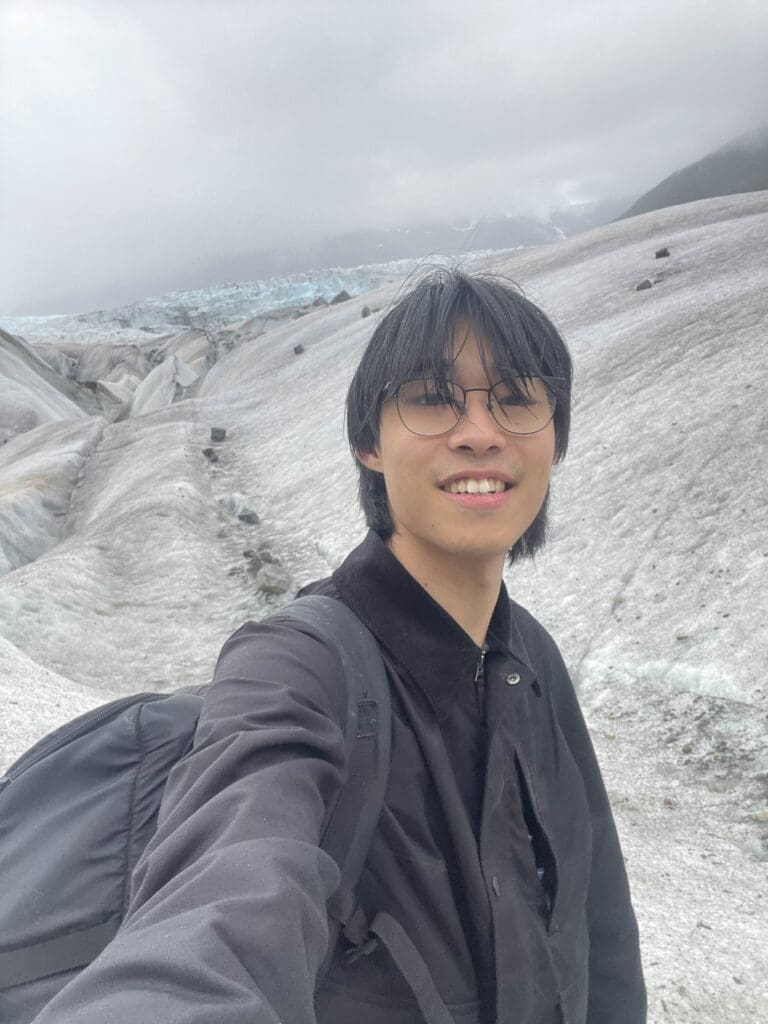
As we talk, he occasionally sips water out of a teal mug, branded with dancing Moomins. He’s casual, friendly and passionate above anything else. One can tell, being around Siwoo for no more than a few minutes, that he has countless ideas and things to say. His words move at lightning speed around him when he gets into topics he’s deeply passionate about, and he is a self-titled ‘rambler’. But in that moment on the glacier, most thoughts failed him. One thing that did occur to him, though, was his art’s effect on the world if he did die.
“I thought of my entire legacy. I also thought ‘my god, I just got the Sundance Ignite Fellow thing. I can’t just throw it all away right now,” he expresses with an unexpected humour and levity.
Van Gogh’s command of colour and emotion set his legacy in stone. Taylor Hawkins had infectious upbeat energy and created songs that have stuck with fans even after his death. For Siwoo his art is rooted in the personal and intimate, a journey in the concepts and questions in life that confuse him.
When asked how to describe his work, Siwoo answered simply that it’s all a ‘gyotaku’. A method of traditional Japanese ink printing for fishermen in the past to document the fish they had caught, where they simply rolled the fish over in ink and pressed it into the paper. “It’s not a perfect representation. So there’s all these blemishes, but it’s just a capturing of what it is,” he starts. “I treat my film and music the same way as if I’m printing off my heart, and we’ll see what comes out. It’s heartbreak, it’s beauty, it’s love.”
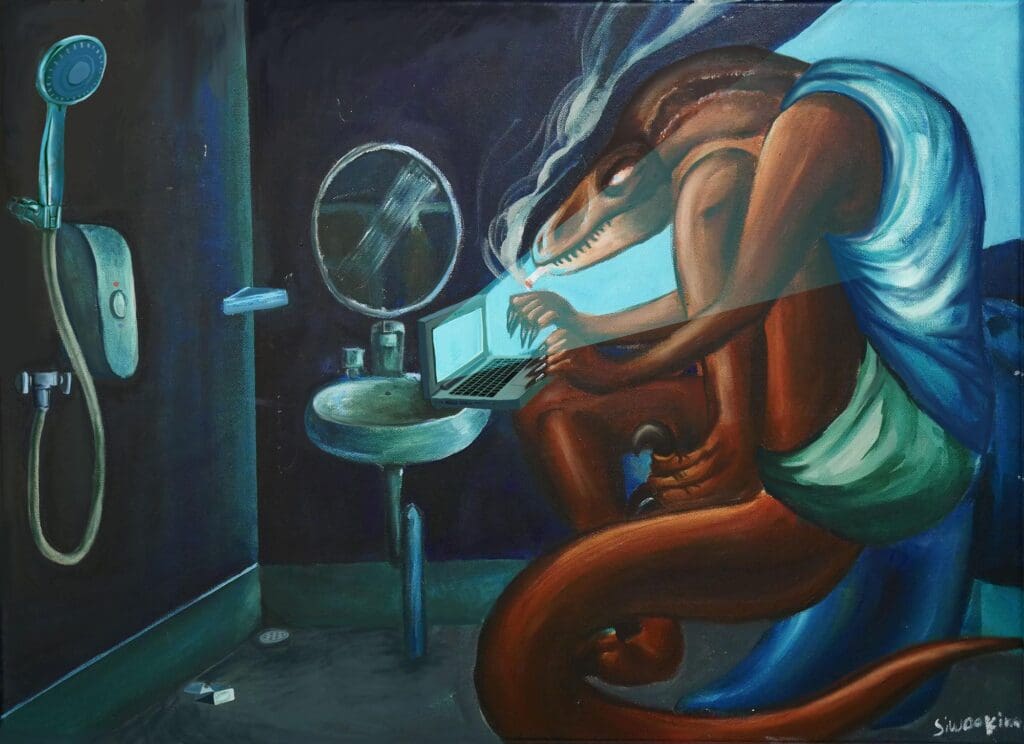
“The way you view the world and the things you’re attracted to, and the terrible things you think and say and do, and the good things you think and say and do – all that is such a fascinating world and I only know mine. So I’m showing you how I view the world a little bit. It’s very reflective of my personal raw experiences, usually from childhood, and my mediums reflect the same thing as much as possible,” he explains, inviting audiences to peek into these parts of his life.
Some artists chase fame for material objectives, while others put themselves out into the world as much as possible to be remembered. But Siwoo has a different perspective on his legacy. “I don’t know if (my art is about) resisting death. I think it’s resisting insignificance. I just want to do something good. I want to make stuff,” he shrugs, then his eyes light up with a secondary thought. “Though I do want to be remembered because there will be kids that after I die will be in my position. And if I’m remembered, then they’ll know that there was someone before them that felt the same thing. When Dante writes about Beatrice and I read Dante’s comedy, somehow he’s there for me.
The question, ‘how would you feel if you got famous after you died?’ hangs in the air after it’s asked, and the silence is suddenly broken by a soft chuckle. “If I died and could see myself blowing up after my death, it’d be like finding out the hottest girl in high school had a crush on you years after the fact,” he jokes, earning more laughs out of us. “Like, oh man, I want to be back there!”
We touch on influencers and TikTok stars, and the new genre of celebrity that has emerged. People whose lives surround selling their audience something, following trends, appealing to masses. He doesn’t look down on these creators, but he does think there is a right and wrong way to go about being remembered after death. He says: “To have a legacy you need to touch people’s hearts enough multiple times. You need to make a good enough impact in life before you pass away. It’s hard to do that inauthentically. If you’re honest enough, it’ll make sense because people appreciate honesty. That’s my theory.”
Like many artists, he has a list of deceased creators to thank for his inspiration and shaping his work. Names like Satoshi Kon, Dennis Hopper, Eric Rohmer, and Lee Krasner come to mind for him – after some Googling to double check whether the people in his list are actually deceased. “Every dead person is affecting you forever. And it will always continue to do that. It’s a current and it just goes and I’m lucky enough to be a part of it,” he says with a smile.
Our conversation was one of surprising liveliness to be talking about something so dark. Rather than running away from the topic, Siwoo leans into the musing of death much like many artists over centuries around the world. “My thesis was about suicide,” he says suddenly, earning a small spittake from me. “It was about this girl that decided to kill herself with a man she met on the internet. She then has this moment of, “oh, I don’t want to do it.” And then she has this crazy night. She hooks up with one of her childhood friends. She goes to all these places and she has an existential realisation. And she comes back to her life alive.”
In this sense, thinking about death isn’t morbid to him. It’s a way to appreciate being alive, and to remember that all truly beautiful things are finite, such is life.
As we neared the end of our 2-hour long conversation, I asked one final question, being ‘if you had died on that glacier, what would you want people to remember most about your work?’. He grew serious, took a long pause, and looked off into his room. “That I was honest. And maybe I was a good person. That I had a unique way that I saw life, and it was a cool interpretation. I guess I would want people to like my stuff and go, ” That guy was good in my life. He was a good person.” Or people who didn’t know me would be like, “Wow, I wonder what kind of guy he was. In that way, who I am expands as a person because you’re made up of people’s impressions of you. And when they look at your work, they get you.”
Siwoo Kim’s legacy will be one that tells personal stories, in the hopes that someone in the next generation will see his experiences and feel understood. But more importantly, he simply wishes that his audience will see the honesty in his work and that people will continue to want to enter his world even after his death.