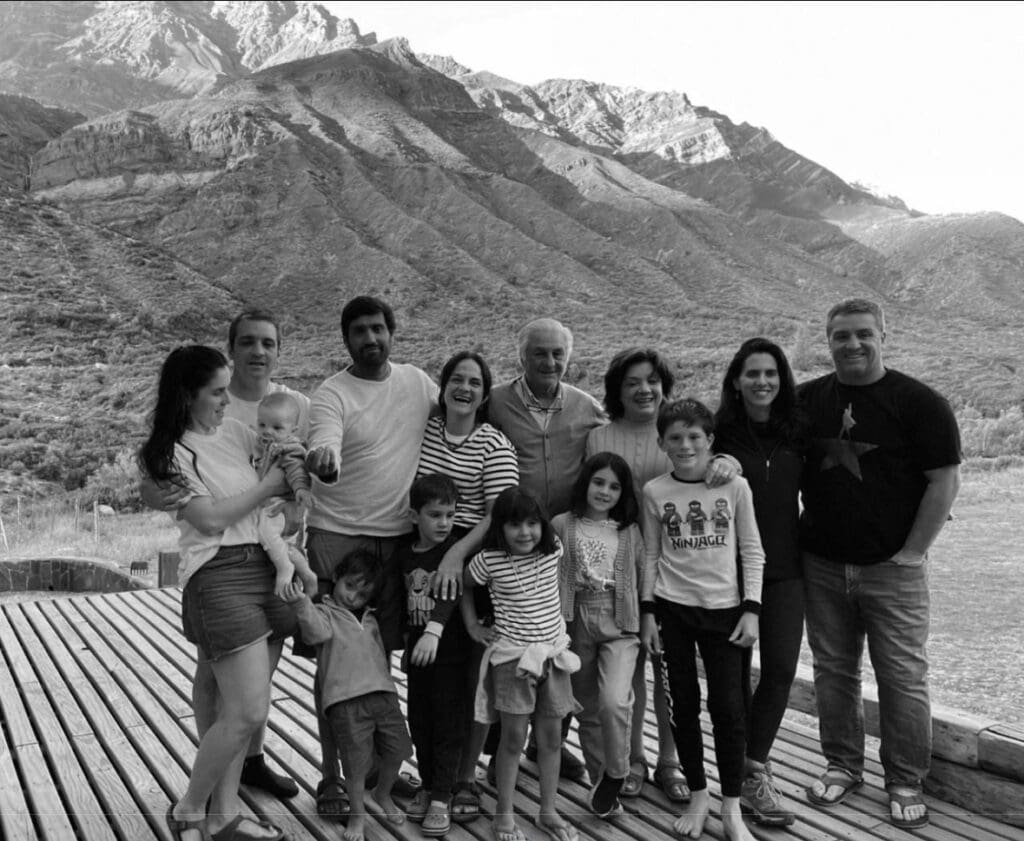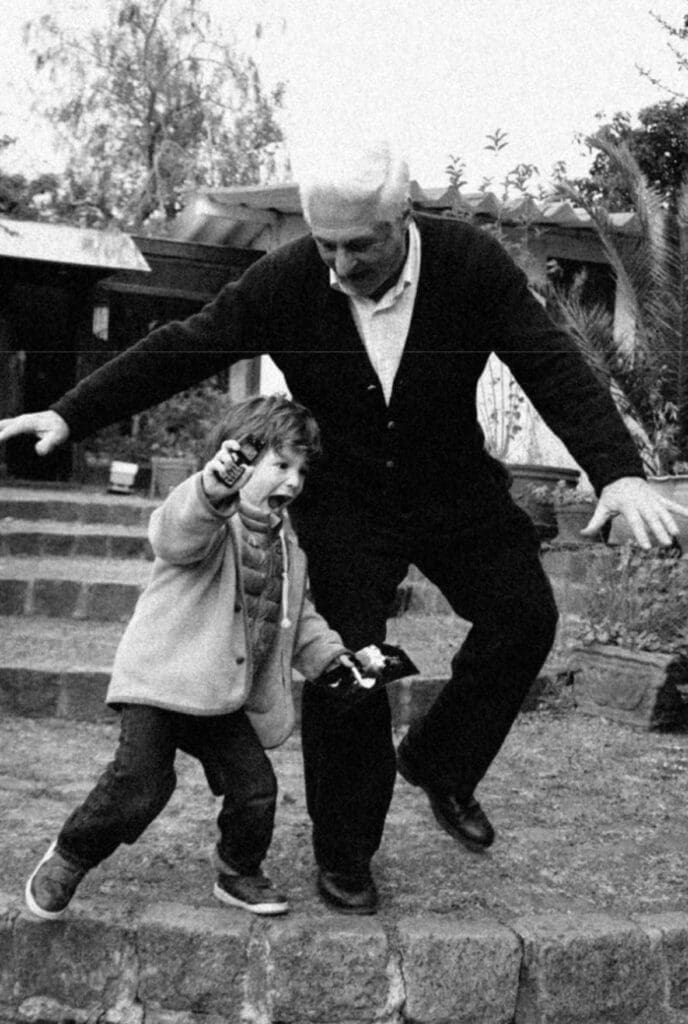
At 19, Roberto Canessa survived one of the most infamous crashes in history by crossing death’s deepest taboo: he lived because the bodies of his dead friends kept him alive.
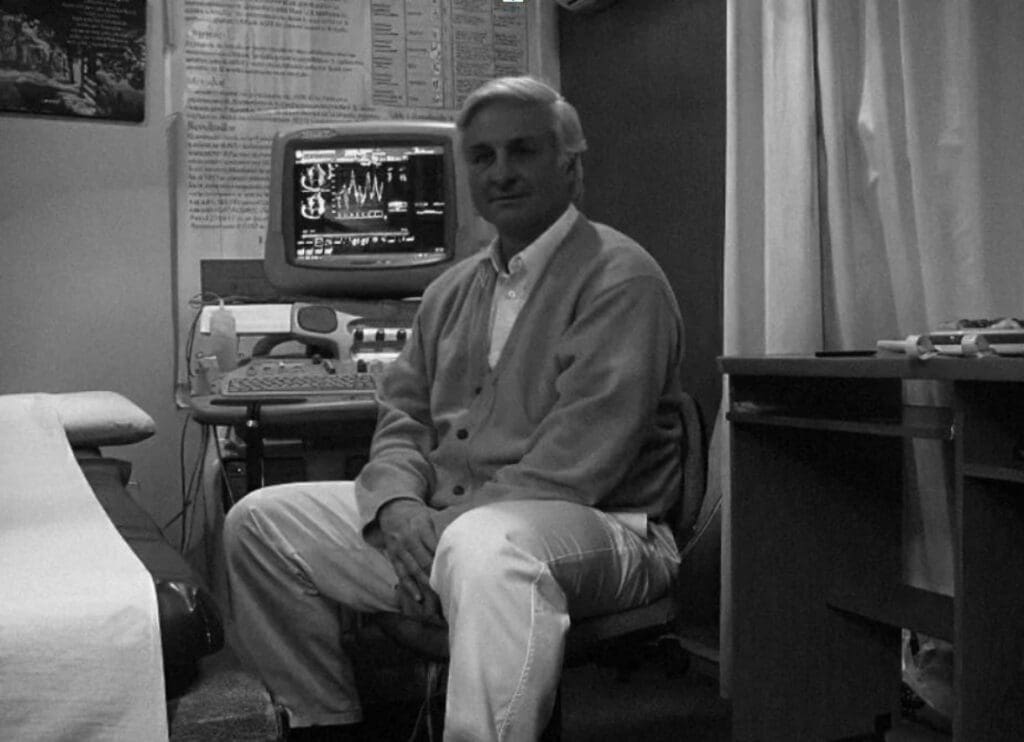
On the screen, a heart no bigger than a thumb pulses in black and white.
Roberto Canessa, 73, one of Uruguay’s leading paediatric cardiologists, has spent 40 years treating newborns whose hearts begin life already under threat. He studies the screen closely. The chambers open, hesitate, close again. Around him, the room settles into a steady rhythm. A monitor keeps time in a thin, regular pulse.
In the Andes, long before he held children’s hearts in his hands, Roberto survived because the bodies of his dead friends kept him alive.
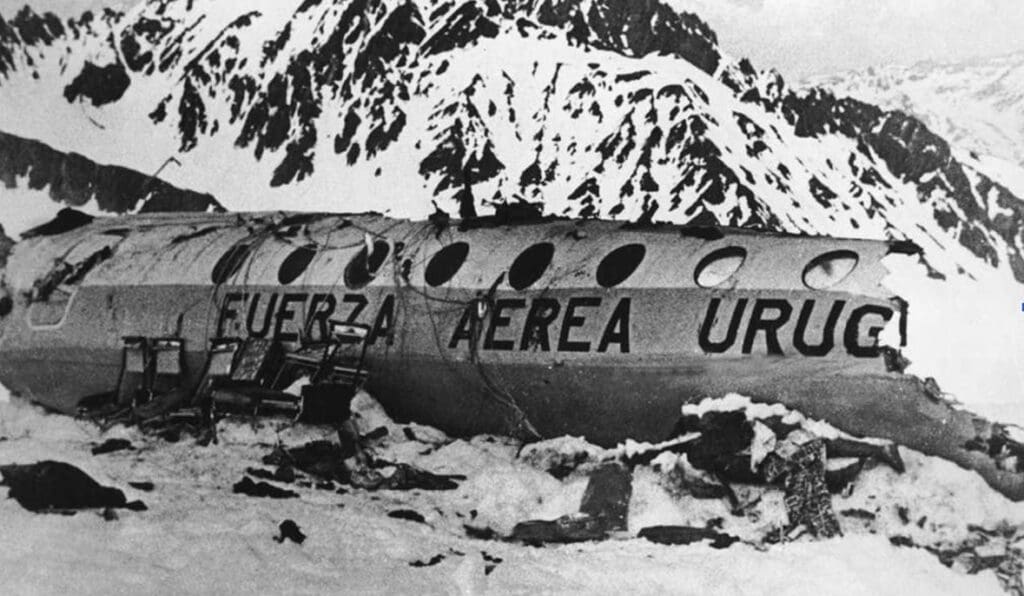
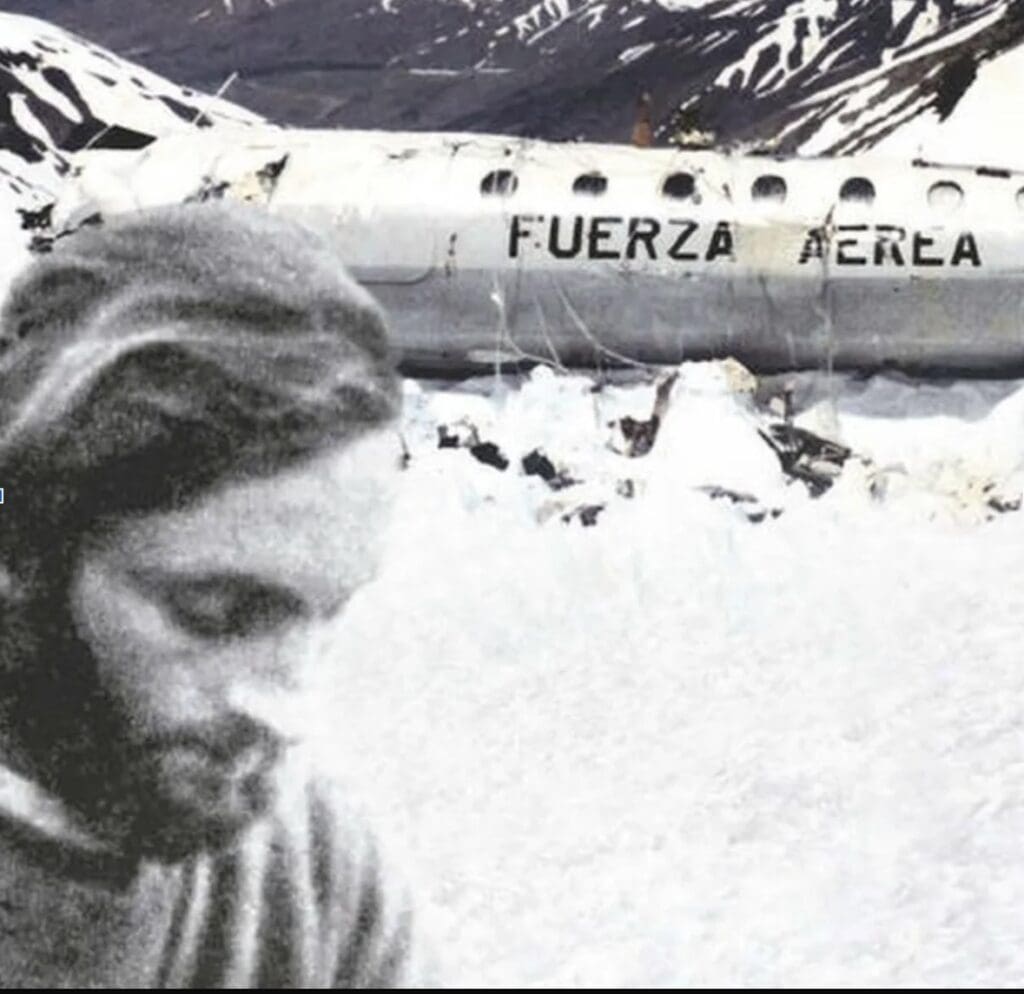
He was 19, a second-year medical student travelling with members of the Old Christians rugby team when Uruguayan Air Force Flight 571 crashed into the Andes on 13 October 1972. There were 45 people on board. Only 16 came home. The story would become known around the world as the Miracle of the Andes, but miracles are often cleaner than the lives they come from. This one involved cold, hunger, prayer, consent, human flesh and a question that still feels almost impossible to ask: when the living are dying, can the body of the dead become a final act of love?
Roberto says: “When I am overwhelmed by my patients’ issues, I go out at night to search for the moon.
“It’s the same moon I saw in October 1972. It tells me not to give up, but to persevere, and the ending of the story can be changed.”
When the Sky Gave Way
The flight had already been delayed once.
The team had left Montevideo for Santiago, Chile, but bad weather forced the plane to stop overnight in Mendoza, Argentina. The next afternoon, the passengers boarded again. The aircraft was meant to follow a U-shaped route through a lower pass in the Andes before turning north towards Santiago. The journey should have taken around 90 minutes.
Inside the cabin, teammates passed a rugby ball between the seats, their voices rising above the steady engine drone as the aircraft cut across the mountains.
“Conga, conga, conga,” they sang. “The plane is dancing conga.”
Then the white outside the windows stopped looking distant.
The aircraft had begun descending before it had cleared the mountains. At around 200 miles per hour, it struck the mountainside and tore open. Its wings and tail broke away. The fuselage slammed onto the glacier, skidding across the ice before punching into the snow at around 3,500 metres.
Roberto folded forward, head between his knees, eyes shut tight: “I held on to my seat so fiercely that I tore off chunks of fabric with my bare hands.”
When the aircraft stopped moving, the cabin had become a hospital, a morgue and a trap. Seats had torn loose. Bodies were pinned. Legs were crushed. Across from him, Roberto saw a boy held upright by a shard of metal driven through his stomach, pinning him to the seat.
Of the 45 people on board, 12 died in the crash or immediate aftermath. Thirty-three survived the first day, many of them badly injured. Roberto and Gustavo Zerbino were medical students, which made them the closest thing the wounded had to doctors. With no proper equipment, they used clothing as bandages, snow to numb injuries and the little medical knowledge they had to decide who could still be helped.
Roberto says: “Like shadows from another world, heads and hands started to move in their dislodged chairs. I turned and saw my friend Gustavo Zerbino. I said, ‘You’re alive too. Now what do we do?’”
For Roberto, that question would not leave. It only became harder to answer.
What Was Left of Them
Roberto did not have time to collapse into horror. There were bodies to count, wounds to bind and people still breathing in the wreckage.
He moved through the broken aircraft looking for breath, trying to decide who could still be pulled back from the edge.
Roberto says: “I started counting. Alive. Dead.
“My hands were covered in their blood. It settled into the lines of my palms. It felt like they had become part of me.”
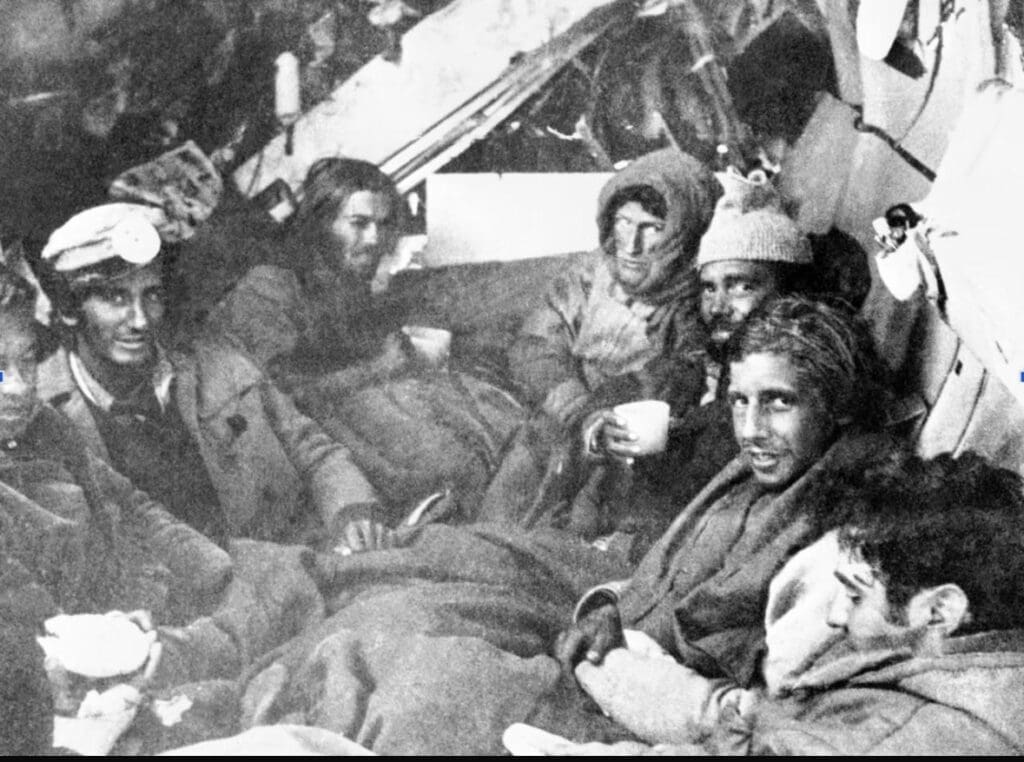
The temperature dropped to -20 degrees Celsius. Breathing became labour. The survivors had no proper coats, no mountain equipment and no clear idea of where they were. The plane had failed them as a machine, but it was all they had left as shelter.
Roberto stripped the aircraft for survival. Wool was torn from the seats and wrapped around bodies. Suitcases were forced into the open end of the fuselage, blocking the wind that cut through them. From the cockpit, they ripped sheets of plastic into makeshift sunglasses. Without them, the glare from the snow could blind.
Water had to be coaxed from the snow around them. Eating it burned their mouths and dragged down their body temperature, so they learnt to melt it slowly using scraps of metal from the wreckage. A suitcase became a wall. A seat became insulation. For a few days, the bodies outside the fuselage remained something they were not yet ready to name as food.
On the first night, even sleep was unstable. The survivors found no stable ground. The sleeping bag, stitched from scraps of the plane, shifted beneath them. Roberto found a narrow ledge, just enough to hold them.
He says: “As soon as we sat down, a huge moon rose, so close I could nearly touch it. I felt it was there for a reason, telling me I was going to survive that night.”
In those first days, rescue still felt possible. Their families were waiting. Aircraft were searching. The survivors tried to make themselves visible, but the broken white fuselage disappeared into the white mountain.
They were not hidden by darkness. They were hidden by too much light.
The Search That Could Not See Them
The search began quickly, but the aircraft’s last reported position was wrong. Rescuers were looking across a vast mountain range where snow swallowed detail and the wreckage blended into the glacier. From the ground, Roberto and the others could see planes pass overhead. Each engine sound pulled them back towards life. Each aircraft made rescue feel briefly possible. Then the sound faded, the sky emptied, and the mountain returned them to silence.
After eight days, the official search was called off. Inside the fuselage, Roberto did not yet know he had already been given up for dead. He continued waiting inside a hope the outside world had quietly withdrawn.
Around the eleventh day, one of the survivors managed to get a small transistor radio working. The news was simple and devastating.
The search had been abandoned.
Roberto was still alive, listening to the world decide he was dead.
They were still freezing, still hungry, still surrounded by their friends’ bodies, but outside the mountain their story had already begun to close. After that, the question of the bodies could no longer be delayed. In TIME, Canessa described the strange sensation of being alive while being considered dead, and said the end of the search made clear that waiting was over.
The Decision to Eat
They could improvise shelter. They could melt snow. But they could not create food.
At first, they rationed what little they found in the luggage: chocolate, sweets, crackers, jam, wine and fruit, dividing each piece into portions too small to satisfy anyone. They tried to eat what was not food: cotton from the seats, leather from belts and shoes. Their bodies rejected it. Hunger kept returning.
By the end of the first week, there was nothing left.
No vegetation. No animals. No reserves. Only the bodies of their friends, preserved in the snow, holding what Roberto knew to be “vital, life-giving protein.”
The thought had arrived before the radio broadcast, because hunger had already cornered them. But after they heard the search had been abandoned, the question changed. Eating the dead was no longer an unthinkable act to delay until rescue came. It became the only way any of them might live long enough to leave.
The decision took shape over days, through hunger, prayer, disgust and argument. The survivors were Catholic. They understood the religious horror of what they were considering. They were not choosing between dignity and indignity. They were choosing between using the dead and becoming dead themselves. The Guardian reports that the debate lasted all afternoon, with some survivors later pledging their own bodies if they died.
Roberto went out into the snow alone and prayed for guidance: “Without God’s consent I would be violating the memory of my friends and stealing their souls. Have we become brute savages, or was this the only way to survive?”
For Roberto, the fear was not only that he was eating human flesh. It was that survival might require him to violate the dignity and privacy of his friends’ bodies. The pact allowed him to see the act not as theft from the dead, but as permission from them.
In the aftermath, they made an agreement: “We agreed if any of us died, the others had permission to use our bodies so the rest could live. It was the only way I could make sense of it, turning something unbearable into an act of love.
“I shared a piece of my friends, not only materially but spiritually, because their will to live was transmitted to us through their flesh.”
Canessa has since resisted the simplest version of the word cannibalism, telling National Geographic that cannibalism implies killing someone to eat them, while what they did was eat the already dead to survive. He said the flesh contained the protein and fat they needed, but accepting the idea intellectually was only the first step. Actually doing it was another matter.
Nine days after the crash, that belief was tested.
Roberto says: “Four of us stood together with razor blades and shards of glass in our hands, unable to look at the faces of our dead teammates.
“We laid thin strips of frozen flesh onto a piece of sheet metal.”
The cutting was precise, almost clinical. Eating was something else entirely: “Your mouth won’t open. Your jaw locks. You have to force it. Every part of you resists, even as you make yourself swallow.
“It was our final goodbye to innocence.”
The bodies of the dead kept Roberto alive. What they had given him would become the weight he carried home.
The Mountain Kept Taking
The decision to eat did not save Roberto from the mountain. It bought time.
On 29 October, sixteen days after the crash, an avalanche struck the fuselage while the survivors slept. Snow and ice poured through the broken aircraft, burying the living beside the dead. Eight more people were killed. The fuselage had been shelter, hospital and morgue; now it was almost a tomb.
The survivors could not stand properly. They could not see. They did not know how much snow lay above them, or how long the air would last. They dug first towards faces, clearing mouths and noses when there was still breath to save. A hole was forced through the snow to draw in air. For several days, they remained sealed in the buried fuselage with the bodies of those who had just died.
After the avalanche, the bodies were no longer outside in the snow. They were inside the fuselage with the living.
The taboo was no longer a single decision. It became part of the routine of staying alive. The dead were inside the same darkness, part of the air, part of the shelter, part of the only food that could keep the living alive.
Roberto says: “We melted snow to get water and we filled our rugby socks with meat for the trek out.
“At night, we used rugby balls to pee in because if you went outside your pee would freeze. You get very smart when you are dying.”
Survival meant cracked lips, frozen urine, failing muscles and meat stored in rugby socks for the trek out. Roberto was not surviving despite death. He was surviving through it.
The Last Ways Out
Roberto walked out only after rescue, radio contact and waiting had all failed.
He was not a mountaineer. He was a starving medical student from Uruguay, trying to read a landscape that had no reason to spare him. Early attempts to explore beyond the fuselage showed how quickly the mountain punished them. The ridges did not reveal easy valleys, only more ridges.
For a moment, the tail section seemed to offer one last chance. Roberto and two others found luggage, warmer clothes, a little food and the aircraft batteries. If they could power the radio, they might not have to cross the mountains.
That hope failed too. The batteries were too heavy to carry back through the snow, so they tried to bring the radio to the batteries instead. After days of effort, the machine that might have returned them to the world stayed silent. Once the radio failed, there was no rescue left to wait for.
Over the weeks, the mountain kept reducing the group. More survivors died from their injuries, starvation and the cold. One of the men died the day before Roberto left the fuselage for the final trek, after struggling more than most with the act of eating. Even when survival depended on crossing the taboo, not everyone could force the body and mind across it.
By then, only 16 were still alive.
Walking Out With the Dead
On 12 December, Roberto left the fuselage with Nando Parrado and another survivor.
They carried a sleeping bag stitched together from scavenged materials. They wore whatever layers the wreckage could give them. Roberto walked with food cut from the dead in his pack.
Before he died, the co-pilot had told them the plane had passed Curicó, so Roberto stepped away from the fuselage believing Chile was closer than it was. It was not. They had crashed deep inside the Andes, and the route ahead was far longer and harsher than he understood when he first left the wreckage.
When they reached the first summit, they saw only more mountains.
The third man returned to the fuselage so the food would last longer for Roberto and Nando. Roberto went on, weaker each day, because returning to the fuselage meant returning to the same slow death. Canessa later told TIME that staying in the fuselage would have been easier in a selfish sense, but he believed he was the person who had to go. He described the journey not as a guarantee of reaching Chile, but as a commitment to keep getting closer, even if that meant dying while walking.
By the eighth day, the mountain began to change. There were signs of life beyond the snow: cattle, a track, a rusty soup can. Then, across a river, Roberto and Nando saw a man on horseback, the first person outside the mountain to see them as living men rather than remains.
The river was too loud for them to explain themselves properly, so the man threw paper and a pencil across the water. The message they sent back reopened the story the world had already closed: they had come from a plane that had crashed in the mountains, they were Uruguayan, they had been walking for ten days, and there were others still alive.
For the first time in 70 days, someone outside the mountain believed Roberto was alive.
After the Mountain
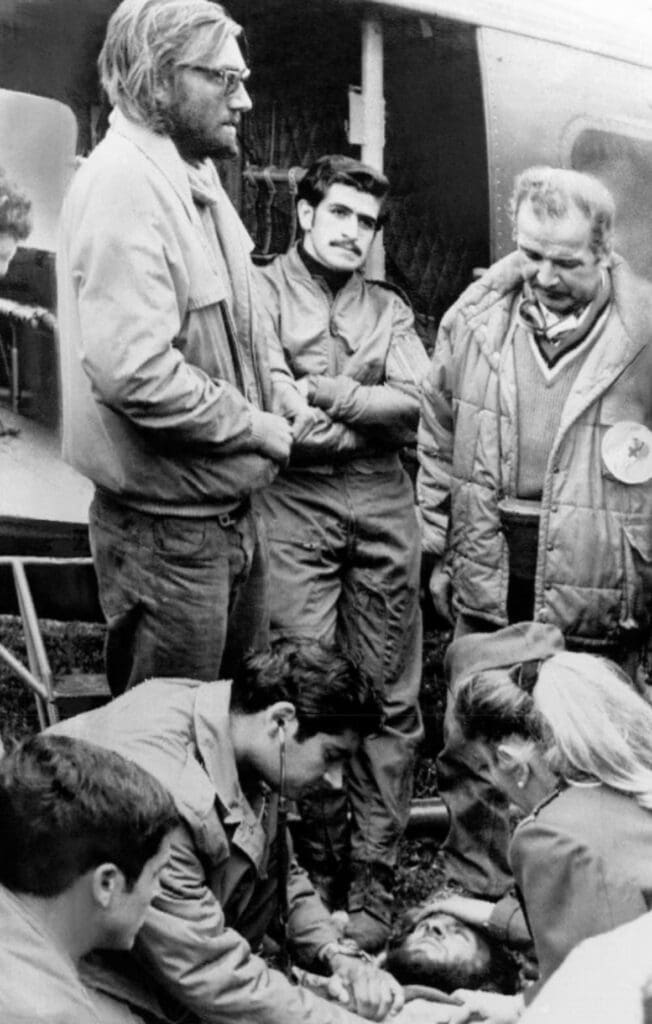
On 22 December 1972, after 72 days in the Andes, rescue began. Because of the weather and terrain, the rescue took two days. Sixteen survived. Twenty-nine did not.
Rescue brought Roberto home, but it also brought him back to the families of the dead.
Back in Uruguay, he found what the mountain had delayed: grief.
He went to the families who were still waiting. In his hands were letters, final words written in the mountains. He also carried the truth that would follow them home: the living had survived because the dead had fed them.
Roberto says: “I was afraid of how they would react when they learned we had eaten those who died. But the families took our hands and thanked us. They said: ‘You are our family now. Go and live your lives.’
“Those who died did not leave us. They carried us. I’ve never stopped trying to be worthy of them.”
Rescue was not the end. For Roberto, it began the question of how to live with what the dead had given him.
He had survived because the dead had fed him. Now he had to decide what to do with the life they had given back.
His medical vocation had begun before the crash, but the Andes gave it a harder shape. His later work turned towards children with congenital heart disease, especially newborns and foetuses, and his biography says he has spent 40 years in paediatric cardiology trying to save the lives of more than 100,000 children. His publisher also describes him as world-renowned for his work with newborn patients and prenatal echocardiography at the Hospital Italiano of Montevideo.
Each heartbeat feels like defiance. Each life, a quiet answer to the mountain.
His son, Tino, calls him “addicted to life.”
And still, the Andes are never far away.
Roberto says: “When I see a baby in a mother’s womb, it’s like seeing the moon again on the first night of survival. Now I can help that child survive. It’s my revenge on death.
“I tell my patients, you have a big mountain to climb. I was there before.
“But the joy that awaits you on the other side is spectacular.”
The mountain never left him. It lives on in every life he fights to save, in the friends whose bodies carried him home, and in the question he has spent half a century answering: what do you do with a life the dead helped give back to you?
And when the weight of it returns, he looks for the same moon, still there after everything.