
Inspired by Mount Pleasant Cemetery in Toronto, this digital cemetery freely opens its doors to players worldwide.
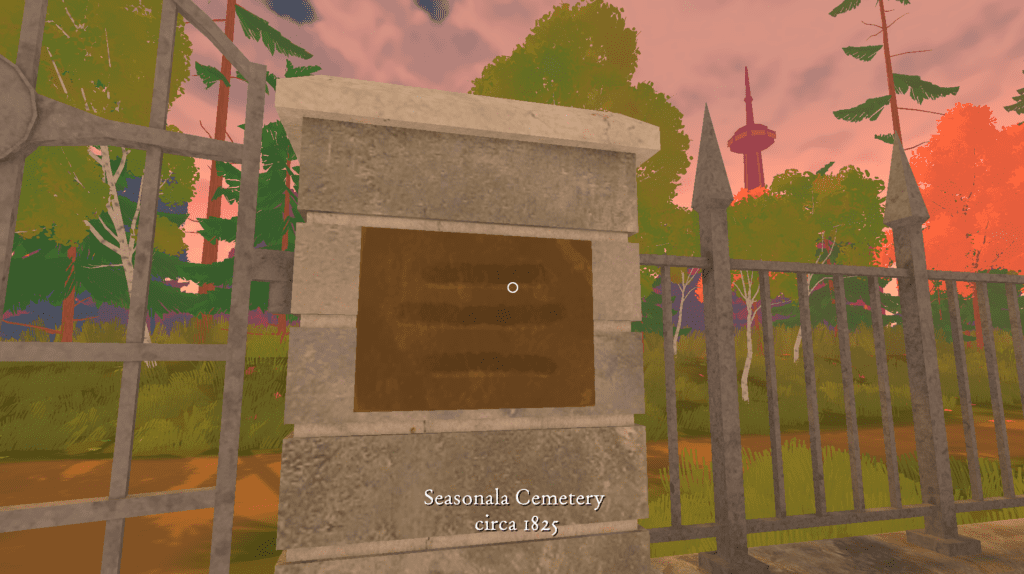
Whistling wind, chirping birds, towering trees – nature offers you companionship as you near Seasonala Cemetery’s gates. Gravestones tell tales, be they old or new, visited by strangers, friends, family and flora alike. Inspired by Mount Pleasant in Toronto, this digital cemetery freely opens its doors to players worldwide.
Seasonala Cemetery is an indie game created by a small team directed by Gabby DaRinezo. Synchronised to the real-world clock and the seasons, the game allows players to walk around a fictional cemetery, replete with changing NPCs and uniquely written epitaphs. You’re also able to gather items from the environment, and, if you like, place them on one of the many graves.
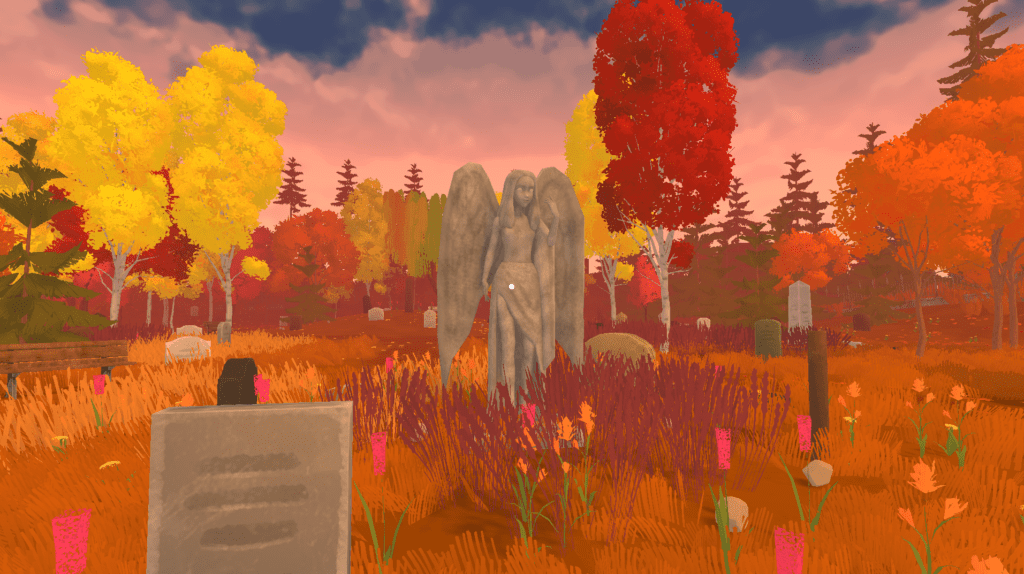
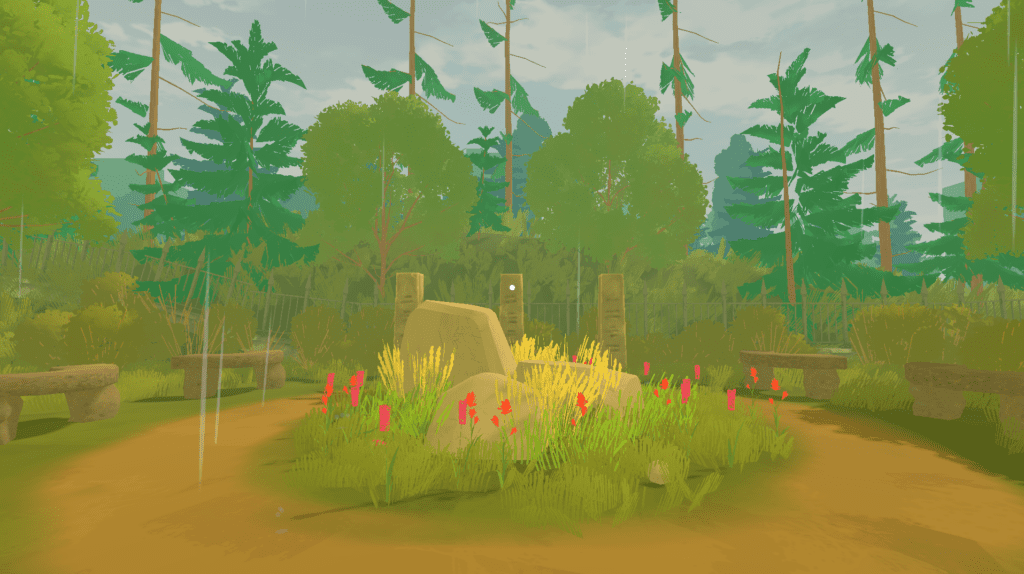
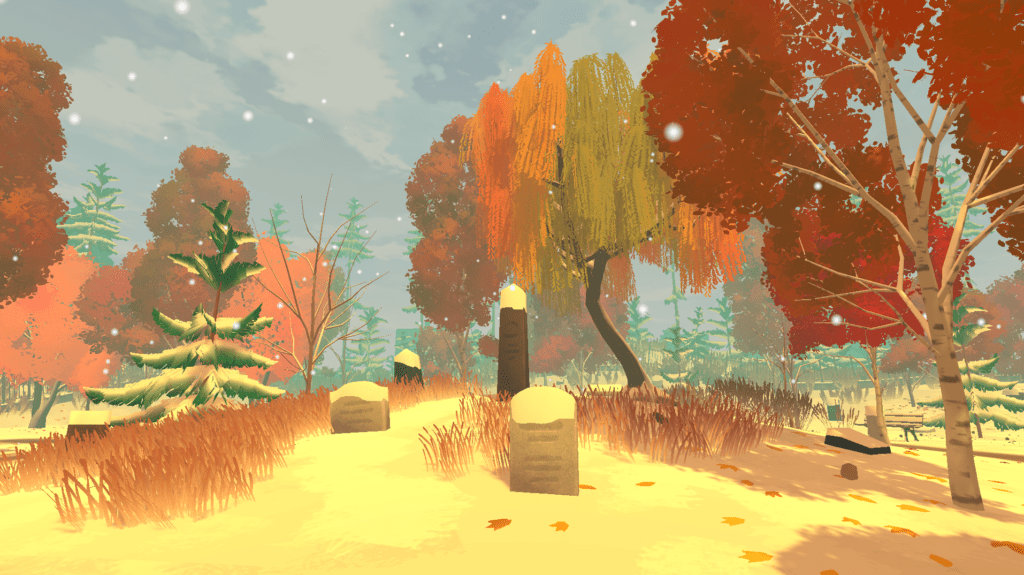
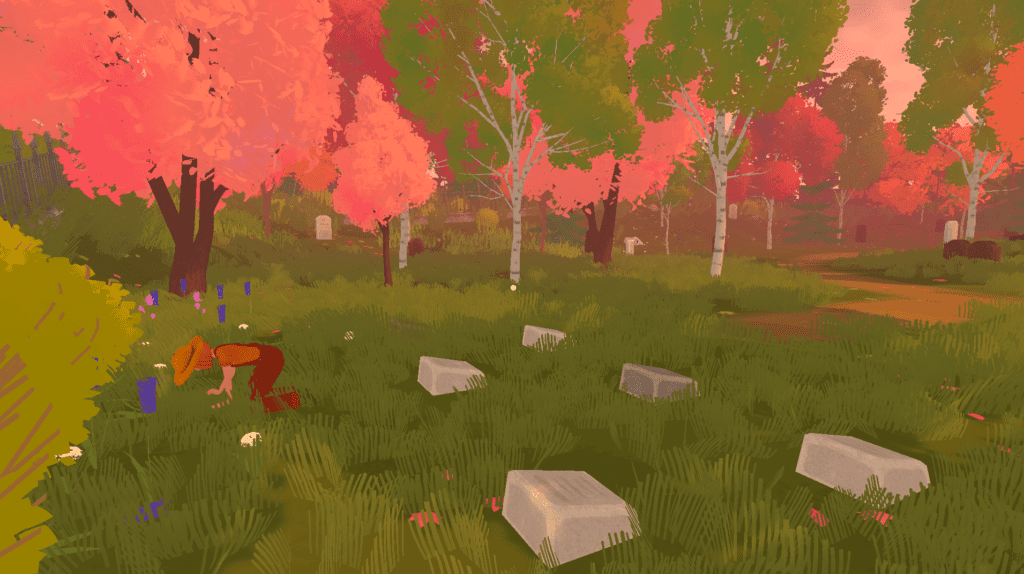
With the COVID-19 pandemic came restlessness, but Gabby found venturing outside especially helpful, including walks to Toronto’s Mount Pleasant Cemetery. Soon enough she was inspired to recreate a similar experience – one players could visit as much or as little as they like throughout the year.
“I found going there and visiting was weirdly cathartic,” says Gabby. “Especially how we’d go a little bit throughout the year and see this place that we associate with death filled with so much life. It’s so filled with animals, birds, and people, taking their dogs for walks or going for a bike ride, or taking their baby out for a walk.
“Seeing the cemetery change throughout the year – seeing the flowers bloom in spring, and hearing crickets and cicadas in the summer, and the fall leaves, and the winter snow.
“It was during a time where every day felt the same; it felt really cool to go to a cemetery and see the seasons change around this place we associate so much with death.”
Gabby wished to create empty graves where players could tell their own stories, or perhaps visit if someone near and dear to them in real life passed. The experience being non-linear allows people to play at their own pace, and play however they wish; no approach is wrong. NPCs chatter, but provide no dialogue options; Gabby says she wanted the player to be ‘more of a vessel,’ and ‘an object the player could put themselves into.’
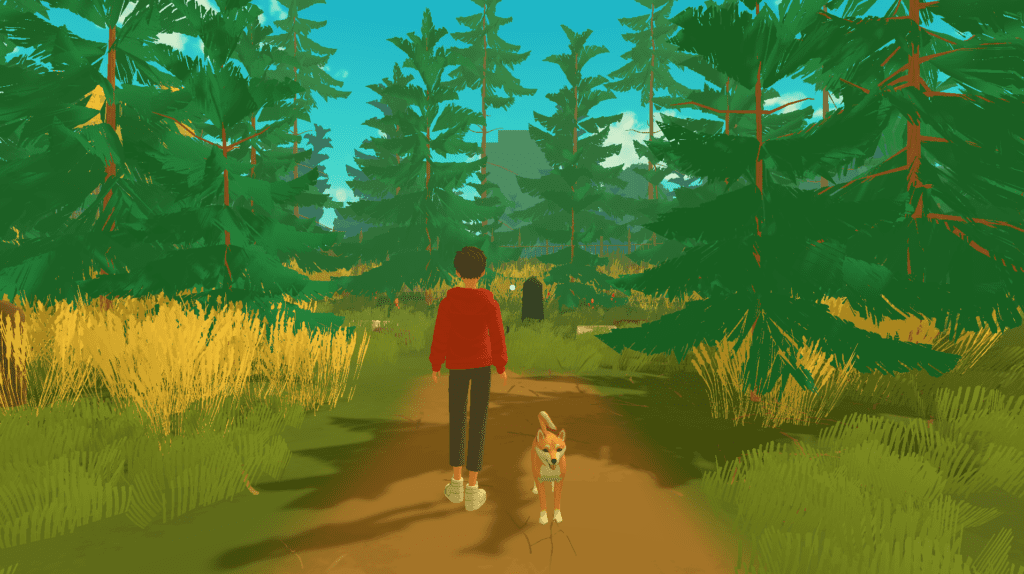
“You can choose to read every single epitaph, you can choose to visit the cemetery every single day, you can choose to visit it a couple times a year, or maybe just once and never again.” says Gabby. “You can choose to leave flowers on graves or rocks or pine cones, you can choose to talk to people. Just allowing people to have that choice is something that I really wanted people to be able to get out of it.
“Everyone grieves differently and being able to give players the option to explore that in this game is what my goal was.”
The game’s approach to death is unique; Gabby says many games ‘do not always do a great job at showing death and grief honestly,’ with many games using it as a setback, a vehicle for the narrative, or a horror element. Seasonala subverts typical depictions of cemeteries being ‘gloomy and dark’ or ‘full of zombies’ by displaying a cemetery grounded by reality, full of life.
“I think Seasonala does a really great job of showcasing what a cemetery looks like,” says Gabby. “And also through talking with NPCs, which were written by Kaitlin Tremblay, a wonderful writer and narrative designer who did all the writing for Mortician’s Tale and Seasonala Cemetery.
“They did a really good job at writing all the epitaphs in Seasonala, which tell the story of each individual who was buried at that spot, but also the overarching story of Toronto, right?
“I think that’s a really interesting thing people maybe don’t realize about graveyards that they are kind of like an archive, a little glimpse of the history of the city or town that they’re in.”
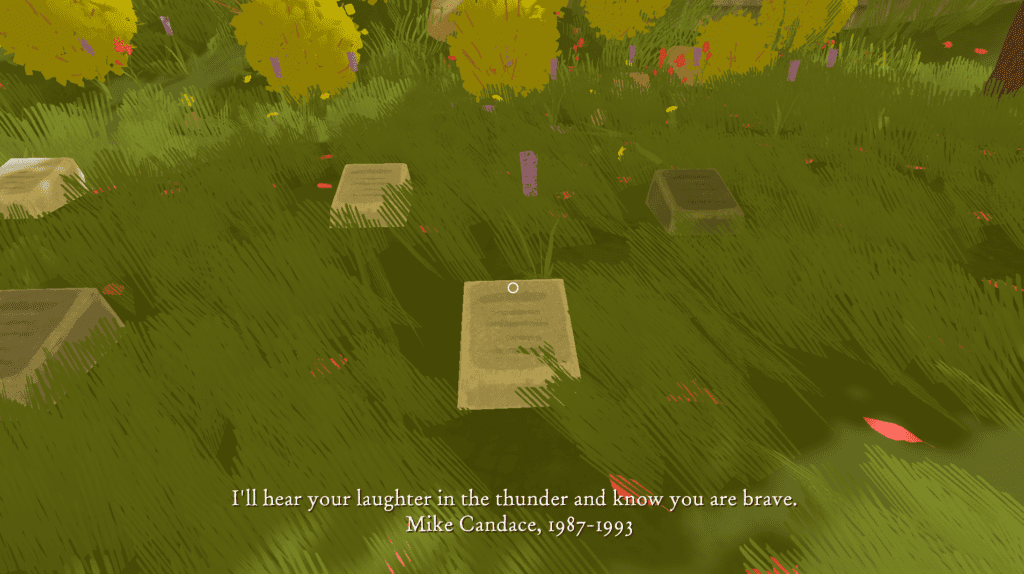
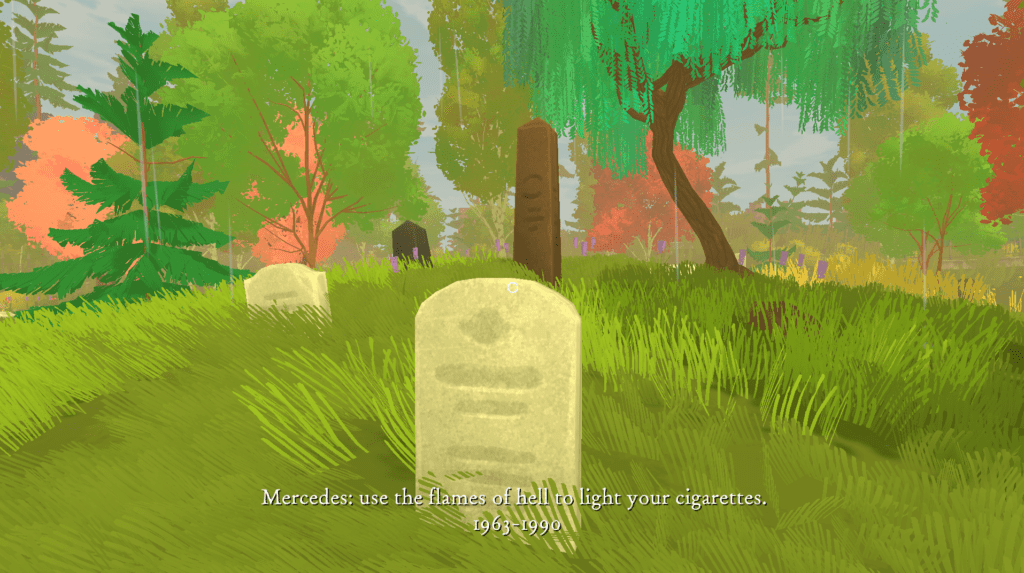
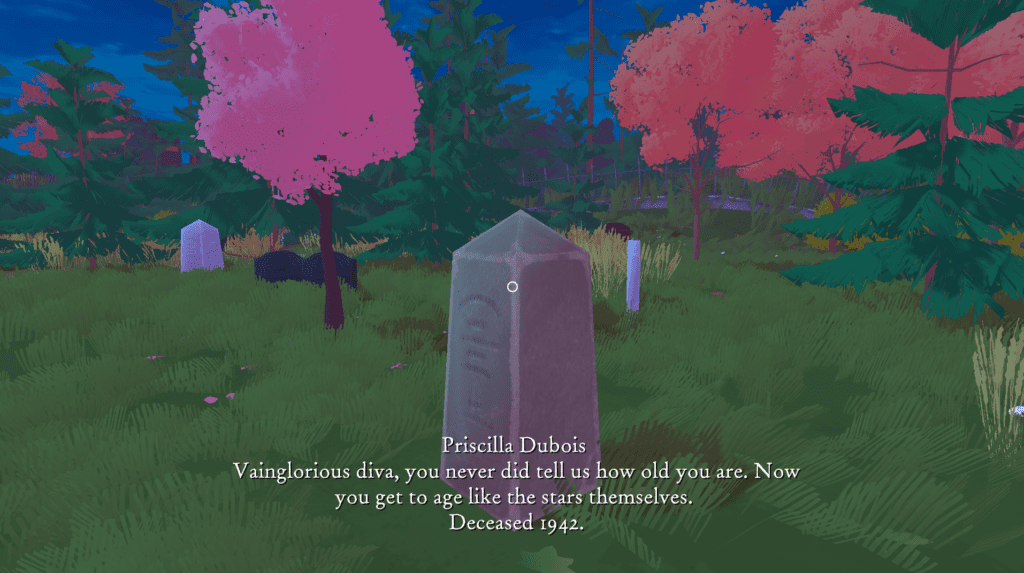
NPCs appear for an array of reasons, with speech that changes throughout the seasons, showcasing how people grieve. Special dates, such as Mother’s Day or Father’s Day, also lead to unique dialogue. Gabby believes the written epitaphs remind us that the people who write them are alive; they’ve been meaningfully created by a friend, or loved one, for someone who has died.
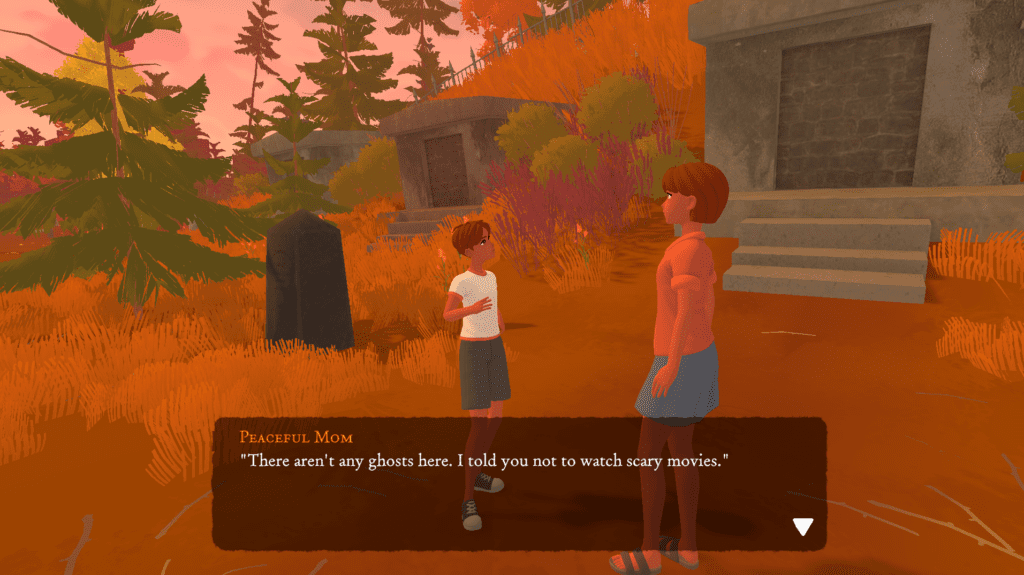
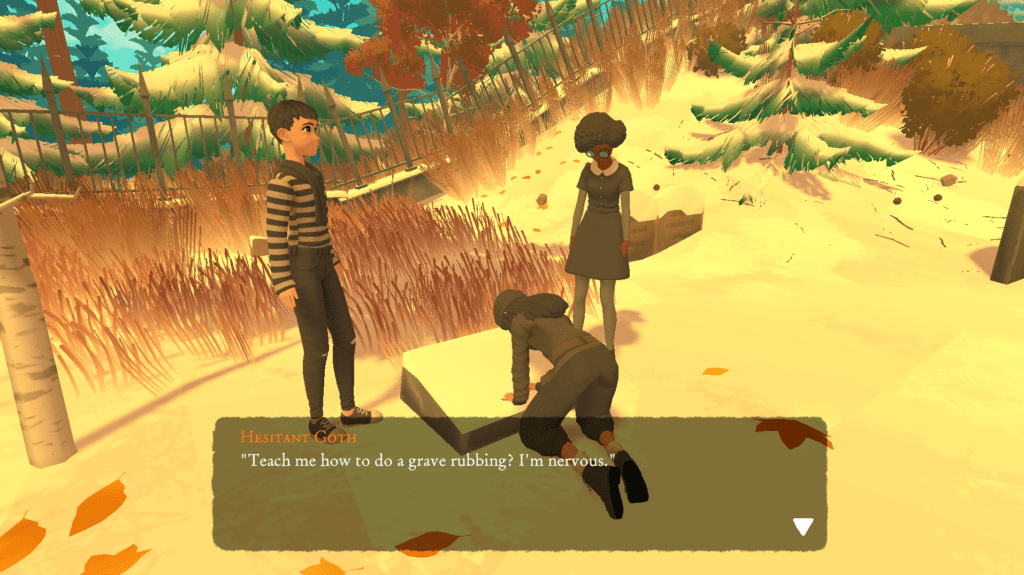
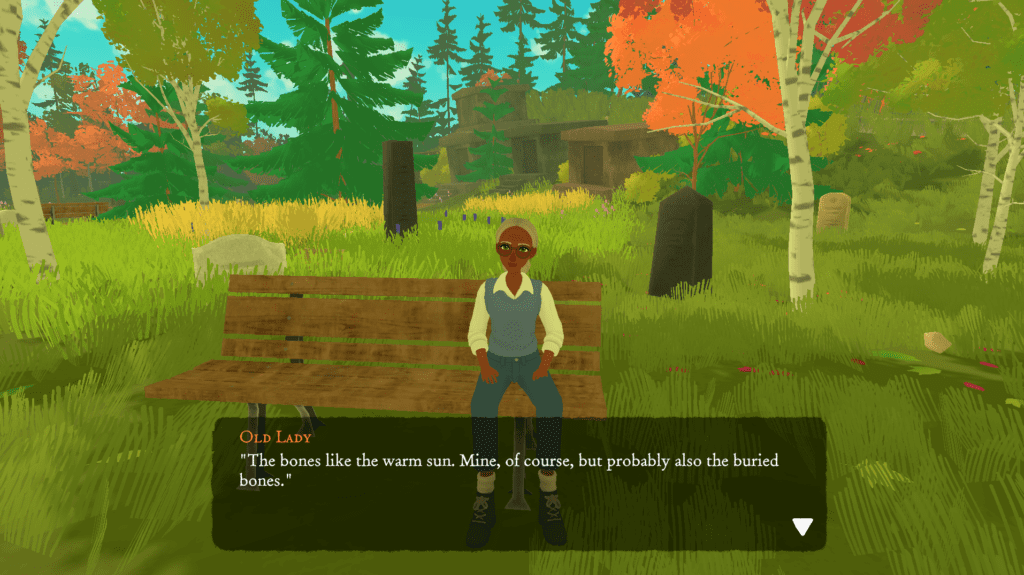
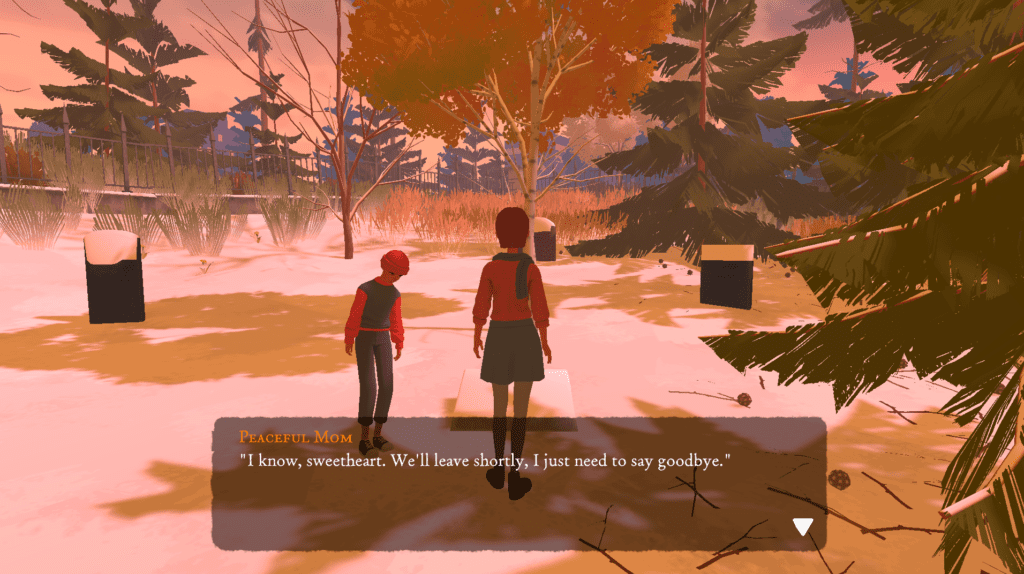
“Audio wise, our sound designer Jen Costa’s house backs onto a cemetery and she actually recorded all of the sounds in the game from the cemetery, which was very cool because cemeteries are so filled with life – because that was a big goal – the game was to showcase that,” says Gabby. “It was really cool hearing all these birds and these bugs, crickets and frogs, and cars passing by, kids walking by, laughing. All those sounds she took from an actual cemetery and it was really cool to put into the game.
“It showcases the variety of life sounds that you hear when you go to a cemetery in real life.”
The addition of seasons is inspired by both the four seasons and the little seasons in-between; Gabby says in Toronto there’s sometimes still ‘a foot of snow on the ground, but still orange leaves on the trees.’ During the COVID-19 pandemic, it also served as a way to tackle the feeling of sameness which came with lockdown.
The game was made possible through arts funding; the grant given by Ontario Arts Council helped Gabby assemble a team to bring her project to life. The producer and project manager was Nina Wong, the lead writer was Kaitlin Tremblay, the sound designer was Jen Costa, the composer was Halina Heron, and the illustrator was Jacquelin de Leon. Mobeen Fikree, Gabby’s friend and professional programmer, also helped look over the game’s code.
“Everybody has their own experiences with grief and their own experience making art, and seeing them bring each of their own expertise to the table – it’s my favourite part,” says Gabby, recalling development.
“I loved that Jen took sound effects from the cemetery behind her house. I love that Kate brought their own experiences with death and grief into writing the epitaphs and dialogue, and I love the music that Helena made for this game.
“They took a big break from making music and they came back for the first time to do music for Seasonala and I think they killed it – I’m very deeply honoured that they did the game for us.”
Seasonala Cemetery is Gabby’s first project which she programmed predominantly by herself, and is proud that she ‘shipped a thing that actually works.’ Not only is she immensely proud of her team, but found the game’s reception to be quite positive.
“Over 70,000 people have played the game, which is 70,000 more than I thought,” says Gabby. “That’s really cool, to see that large amount of people be interested in playing such a niche game.
“I feel quite proud and I feel quite happy with its reception.”
The game is no stranger to awards and recognition; it was honoured with the Indie Vanguard during The Indie Game Awards 2025, and was nominated in the Visual Design category of IndieCade 2025. It was also featured in the Official Selection of both LudoNarraCon and Wholesome Direct the same year.
Creators of Seasonala Cemetery also worked on the 2017 game A Mortician’s Tale, where you play as a mortician managing a funeral home. Both games can be found on itch.io and Steam.
Gabby herself is Drinkbox Studio’s Principal Environment / UI Artist, and is currently working to bring their upcoming game ‘Blighted’ to life. She can be found on Bluesky, Instagram, or through her website.