
Most games treat death as failure, punishment, or a way to learn. Players often die hundreds of times in games like Dark Souls, memorising patterns to improve with every attempt. But some games approach death very differently. Through child protagonists and youthful perspectives, these three titles explore grief, mortality, loss through imagination, fantasy and innocence. Rather than asking what death feels like, they ask a different question. How do children learn to understand death in the first place?
Content warning: This article contains discussion of death, child death, grief, suicide, child abuse, neglect, trauma, and mental health struggles. It also includes major plot spoilers for What Remains of Edith Finch, Little Misfortune, and Omori.
How child characters change the way games portray death
In What Remains of Edith Finch, several children die for varying reasons, but all the tales look to fantasy elements. Little Misfortune spreads glitter on her surroundings and talks innocently of ‘eternal happiness’, even when faced with morbid circumstances. Omori constantly switches between an ideal fantasy world and the cruel grisly truth waiting on the outside world.
Innocence comes with misunderstanding, but opens us up to imagination. Explaining death to a child is likely the hardest concept to relay. That difficult knowledge that someone goes away forever and doesn’t come back. Some children deny it, which is where some might get the explanation that the family pet ‘went away to a farm’. Others take pain, emotional or physical, and displace them so the darkness isn’t so scary.
Death isn’t a cold and lonely place when a child imagines fantasy worlds, big enemies to defeat, and fun characters to accompany them on their adventures.
What Remains of Edith Finch and the stories we tell about death
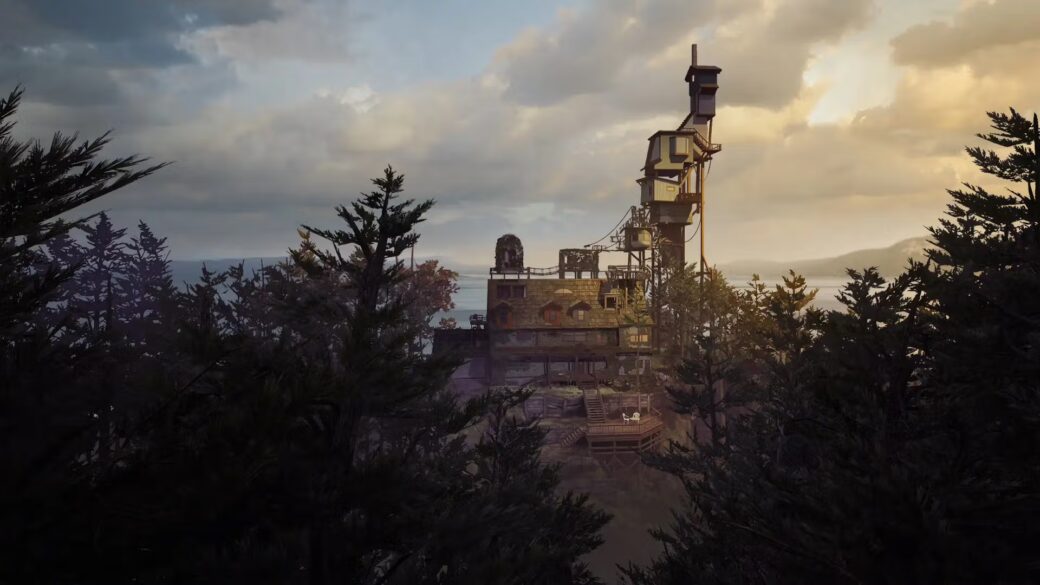
What Remains of Edith Finch follows the story of ‘the most cursed family in America’, with every member meeting untimely deaths for various, vastly different reasons. The player reads the journal of 17 year old Edith Finch and walks into the Finch ancestral home, walking into each family member’s rooms to discover their story. But each story seems innocent in their retelling, rather than facing the grisly reality of each death.
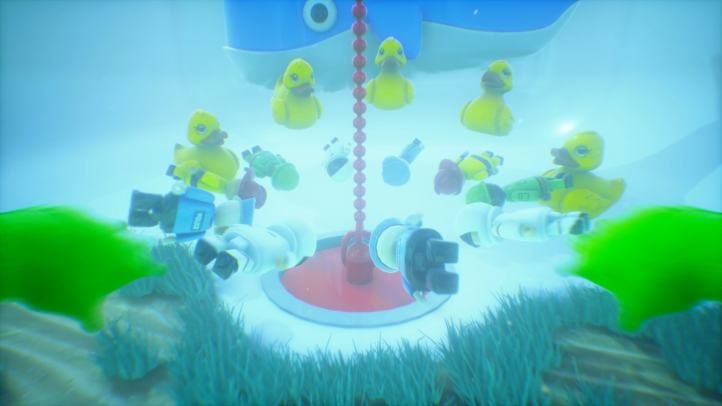
22 month old Gregory drowns in the bathtub after being left unsupervised, and in his imagination he sees his bath toys coming to life and performing a synchronized dance. 13 year old Gus gets crushed by a totem pole during a storm, and visualises flying his kite in the storm to guide the fallen debris, eventually crashing into him. Stories like these are no longer dark or morbid, but still heartbreaking when faced with the reality of what happened.
If you’re interested in another game surrounding death, read here to dive into Spiritfarer.
Little Misfortune and the fantasy of eternal happiness
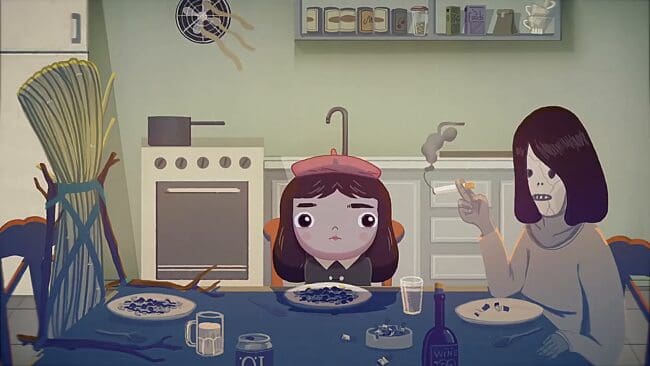
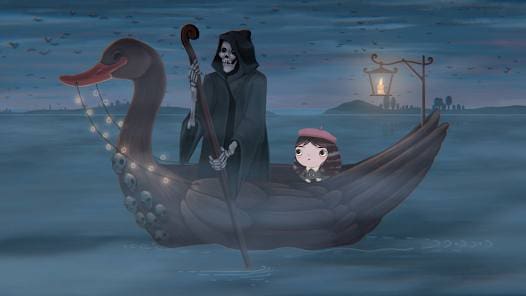
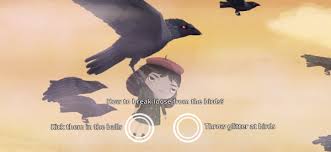
Little Misfortune tackles dark themes like child abuse and suicide with a lighthearted dark humour, beginning when Misfortune Ramirez Hernandez hears a narrator announcing that today is the day she will die. She’s guided on a game to find ‘eternal happiness’, encountering gruesome situations – where she, of course, spreads glitter in the air to make them look happier than they are.
It’s heavy but playful, but near the ending the player discovers that she was run over after crossing the road without looking both ways, and a dramatic irony rings out when it comes out that she’s been dead the whole time. Her innocence and unwillingness to face her fate is how she’s been undertaking this journey, and it’s also how she passed in the first place. It’s the final truth she has to encounter after her fantastical journey, and many players often feel for her as they put the pieces together before her realisation.
Omori, trauma and escaping grief through fantasy
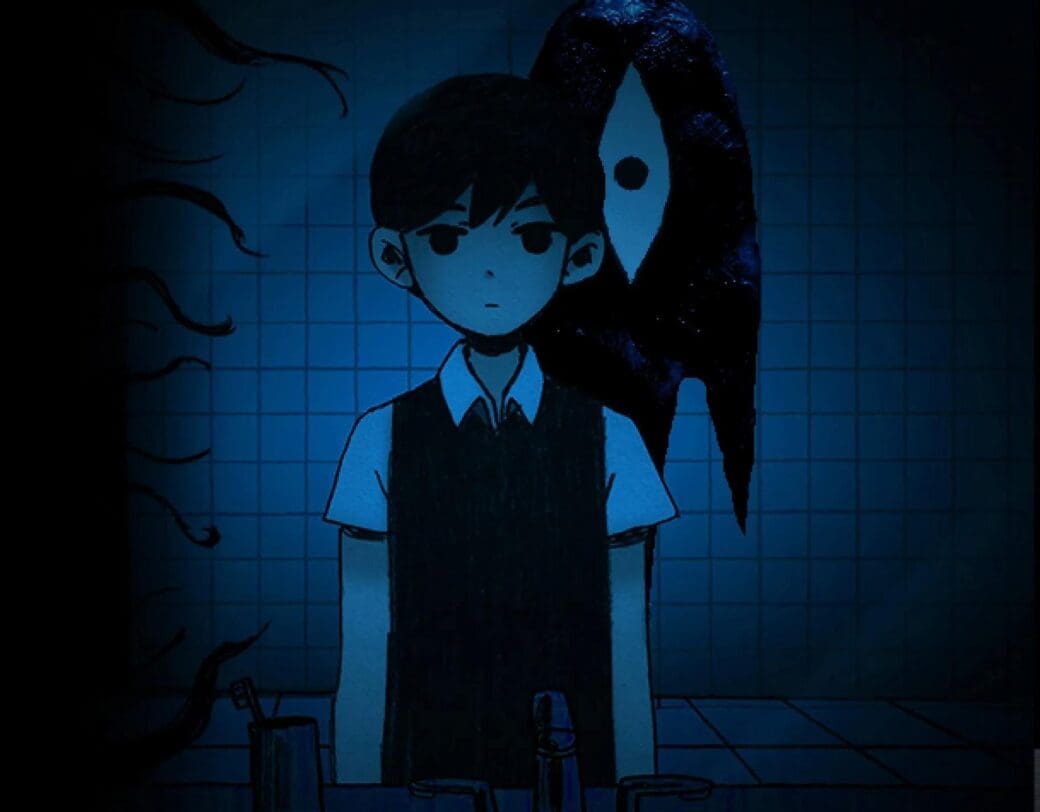
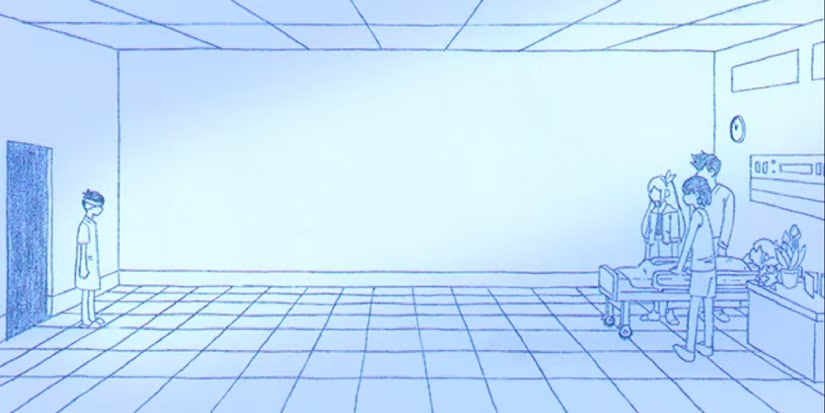
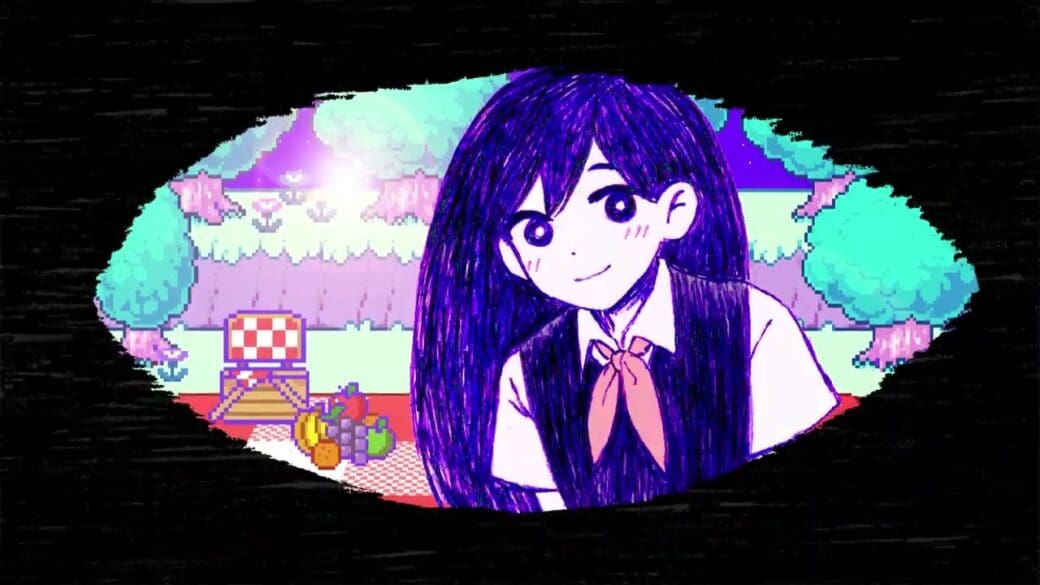
Omori centres around Sunny, a shut-in boy who constantly retreats to a fantasy world in order to suppress the memory of his sister Mari’s suicide. It switches between colourful and dreamlike scenes with his best friends, and then sometimes harshly cuts back to creepy and disturbing imagery. Near the end of the game, it is revealed that Sunny pushed his sister down the stairs in a fight, accidentally killing her rather than Mari committing suicide. One of the main group, Basil, witnessed the whole thing in a panic, and covered it up by framing it as a suicide to protect Sunny.
Ultimately, the years of hiding this horrible secret from his friends catches up to him not only in monstrous creatures chasing him in the supernatural daydreams, but his guilt and grief in the real world also overwhelms him. He gets a chance to break the cycle and tell his friends the truth about Mari, or take his own life.
Why childhood perspectives make death more emotional
Fantasy becomes protection in some of these scenarios. Rather than facing the horrible truth of something that has happened, fun colourful characters and complex mythical worlds protect the innocence of these children.
Particularly in the case of What Remains of Edith Finch, the game becomes emotionally devastating when reading the diary entry of Molly Finch to discover how she died. Through this sequence, the player can take many dark truths from it that are glossed over by the child narrating her last moments. Her mother’s neglect led her to eat poisonous holly berries and fluoride toothpaste, and there’s an ambiguous ending where some have theorised she cannibalised herself or alternatively died of poisoning. Helplessness fills the player as they decode the reality, even when Molly starts cheerily describing how she turned into a cat or a shark.
When the player understands more than the child, which happens several times in these games, the emotional payoff is immense.
Adult emotion versus childlike innocence
The games also show how grief in video games can be explored without relying on realism. Instead of focusing on funerals, mourning rituals or direct depictions of death, they use fantasy worlds, unreliable narration and childhood imagination to explore how loss affects young people.
All three of these games lent themselves to be popular amongst content creators, which allows us to see how adults react to these tragic stories compared to the way characters react in the stories. In many cases, the child character will innocently explain death with metaphors in the context of their magical world, as the adult player’s face falls – often having a strong emotional reaction. Kids process death much differently, and these games give us a creative lens into that perspective.
Games that are about death rarely ask the tough question of how death feels. But these games, in all their emotional storytelling, ask how people learn to understand death in the first place, when it becomes such a foreign subject to the innocent mind.