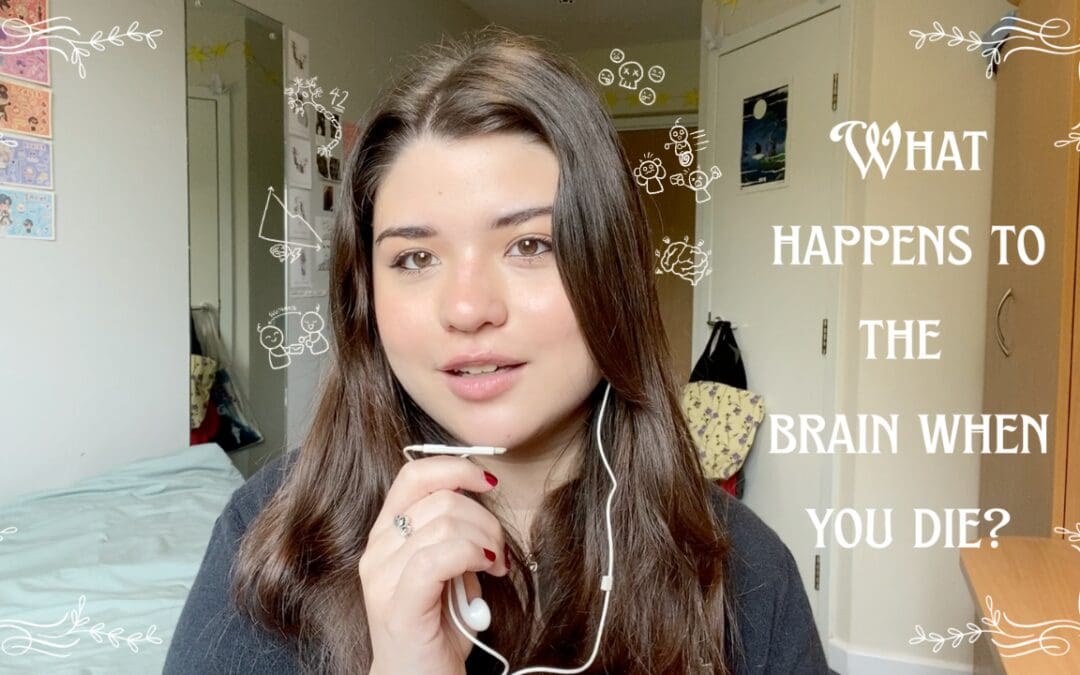
by Jasmine Pegg | May 28, 2026 | Dissect
The brain stays running from 30 seconds to almost 10 minutes after death. From the brain cells causing their own destruction, to the final ‘life flashing before your eyes’ moment, watch this video below to find out the science behind brain death.
by Daisy Sanderson | May 26, 2026 | Dissect
Britain still has no human taphonomy facility: a secure research site where donated bodies can be studied after death to help forensic scientists understand decomposition. The phrase most people know is “body farm”. It belongs more naturally to crime fiction than to...
by Thomas Booth | May 22, 2026 | Dissect
From the depths of science fiction, cryonics presents the individual with an opportunity to cheat death and awaken in a technologically advanced future. Tim Gibson, CEO of Cryonics UK, outlines how his company operates and what his vision of the future of mortality...
by Daisy Sanderson | May 20, 2026 | Dissect
What if the dead could answer back? AI deathbots promise comfort to the bereaved, but researchers warn the technology may flatten identity and blur memory. When Dr Jenny Kidd made a deathbot of herself, she did not meet a digital ghost. What came back was more...
by Daisy Sanderson | May 20, 2026 | Dissect
Social media is helping drive the sale of skulls, bones and modified human remains, as experts warn legal loopholes leave much of the UK market beyond regulation. A bag of bones sat on a market stall in Liverpool, priced between £50 and £100. Not replicas. Not props....
by Daisy Sanderson | May 20, 2026 | Dissect
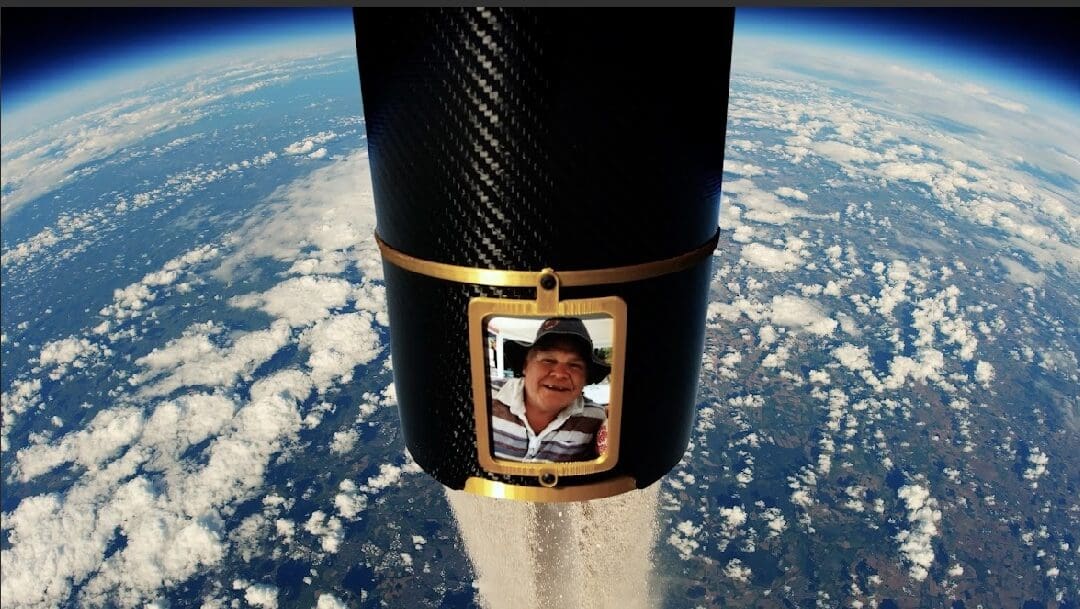
A different kind of goodbye From an industrial estate in Sheffield, a huge white balloon rises into the sky carrying a sealed vessel, two cameras and someone’s ashes. There is no chapel. No procession. No fixed place to visit afterwards. Just a slow ascent through...